

Basic principles of wear protection technologyfor bulk materials (Part 2)
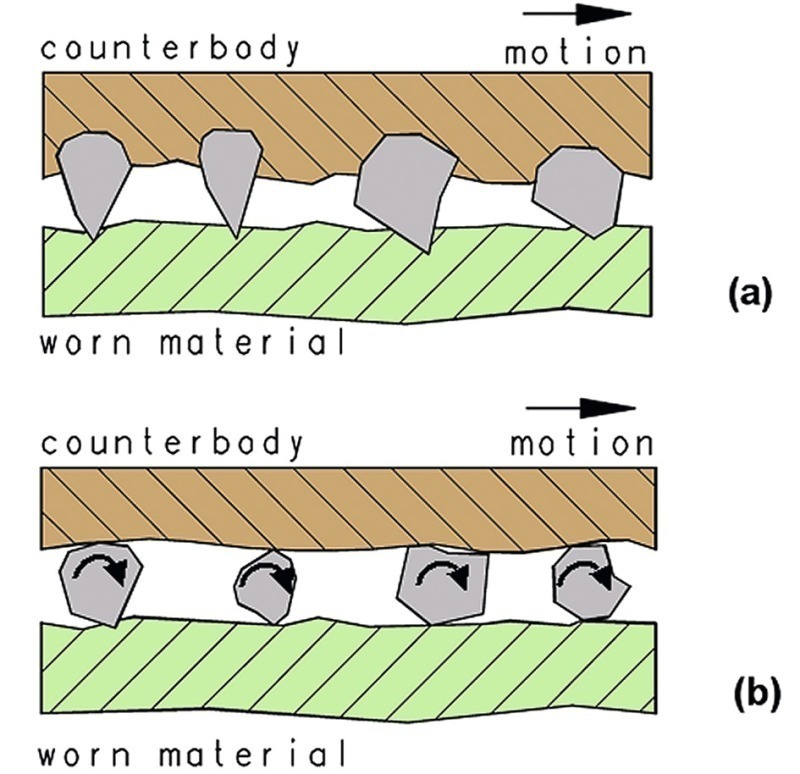
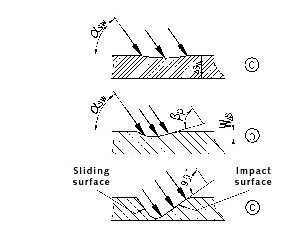
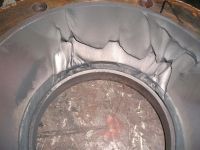
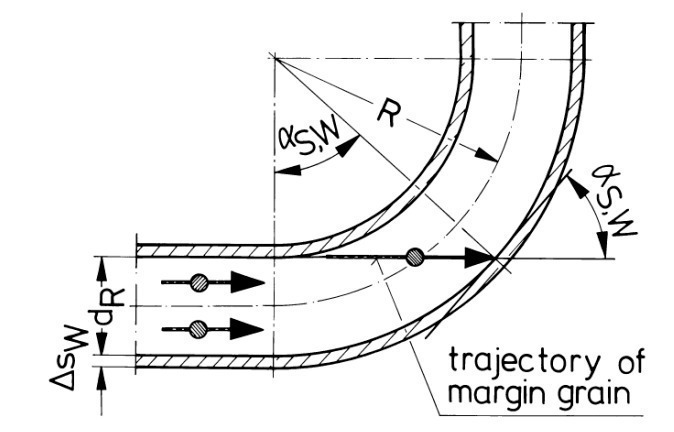
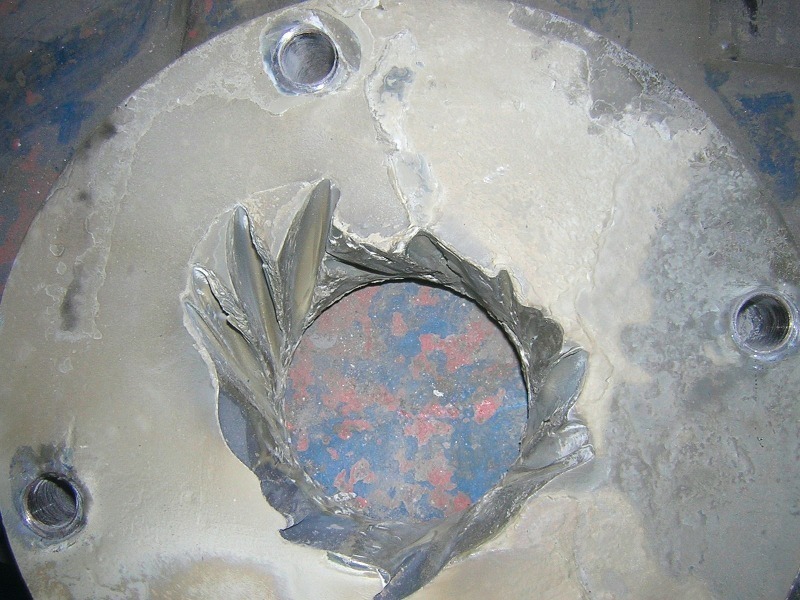
![25 Wear caused by wedging effects [25]](https://www.zkg.de/imgs/101520723_e57373736f.jpg)
Summary: In many industries the wear caused by handling bulk materials is a factor that limits the availability of plants and thus considerably increases operating and production costs. The following article aims to provide plant operators affected by this problem with a sound basis for assessing, classifying and solving their problems in relation to wear. After a brief overview of the relationships relating to contact and fracture mechanics there is a systematic analysis of the basic interdependencies that affect the wear process and the extent of wear. Part 2 presents corresponding mathematical methods and models. The report concludes with a practical example highlighting the systemic nature of the problem of wear.
The research published in 1995 [18] identified 182 equations for describing different types of wear. 28 of these equations deal exclusively with wear by particle erosion and impact. They are analysed in detail in [18]. One of the latest reports on the subject of blast wear [19] appeared in 11/2008. These equations are based either on theoretical models or on descriptive formulae based on measurements. In each case they only apply to limited areas of application and/or idealized material behaviour and have to be adapted to suit the real situation through...