

70 years of ASR with no end in sight? (Part 1)
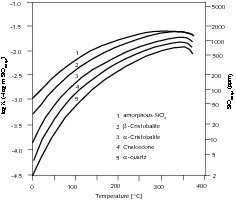
![8 Solubility of amorphous/crystalline SiO2 depending on the pH value [15, 16]](https://www.zkg.de/imgs/101523443_d0fc73e295.jpg)
![10 Measured swelling pressures of different synthetic ASR gels [19]](https://www.zkg.de/imgs/101523447_f9b2b6a440.jpg)
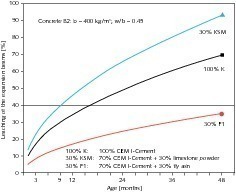
Summary: The deleterious ASR in concrete is an extremely complex long-term reaction. The amount and condition of the quartz in the aggregates play the decisive role. The alkali-silica gel is capable of swelling only in a certain range of the CaO content. Thus, all cement admixtures, which bind Ca(OH)2 formed during the C3S and C2S hydration, help to avoid a deterioration of concrete by ASR. If the currently available test methods, in particular the ASR performance test, are used consistently, a deleterious ASR could be avoided. This can be done by adapting the binder or by the strict exclusion of alkali-reactive aggregates. Part 1 summarizes general mechanisms, ASR test methods and their pros and cons, part 2 gives in-depth information on specific research approaches, selected test methods and field cases of ASR-damaged structures.
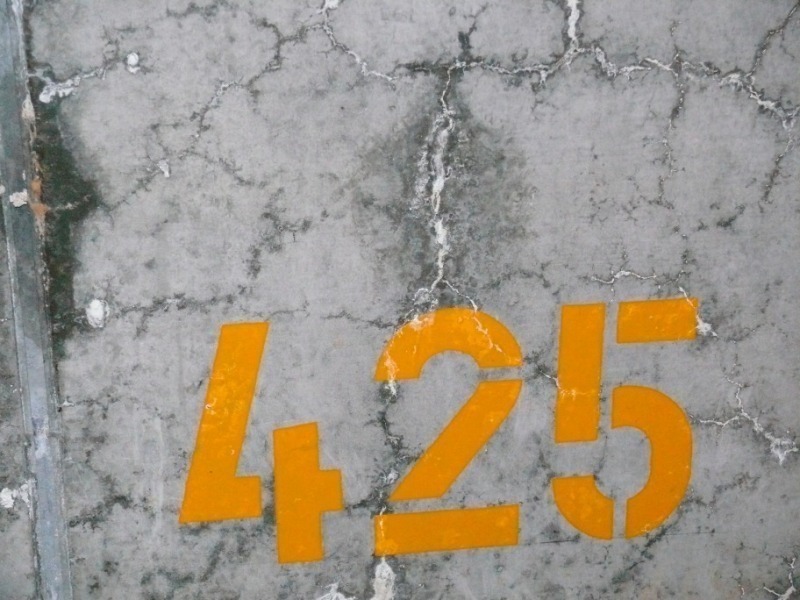
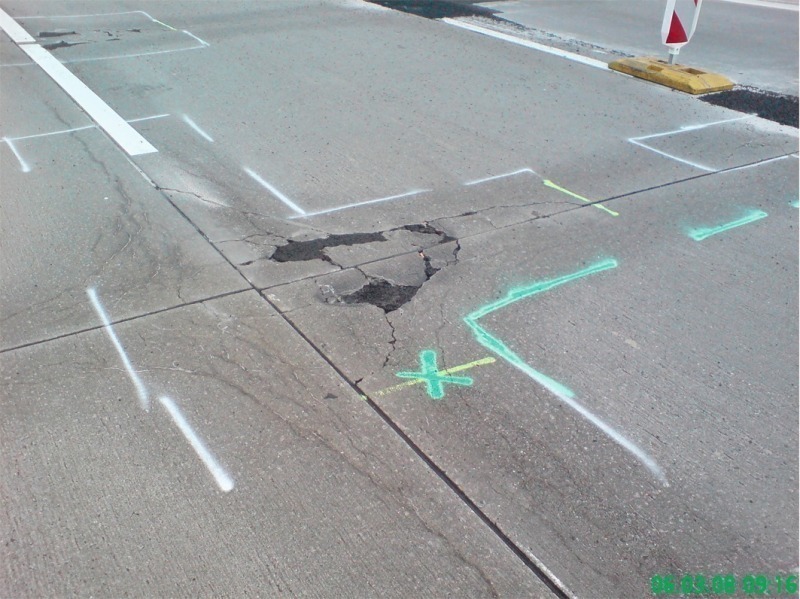
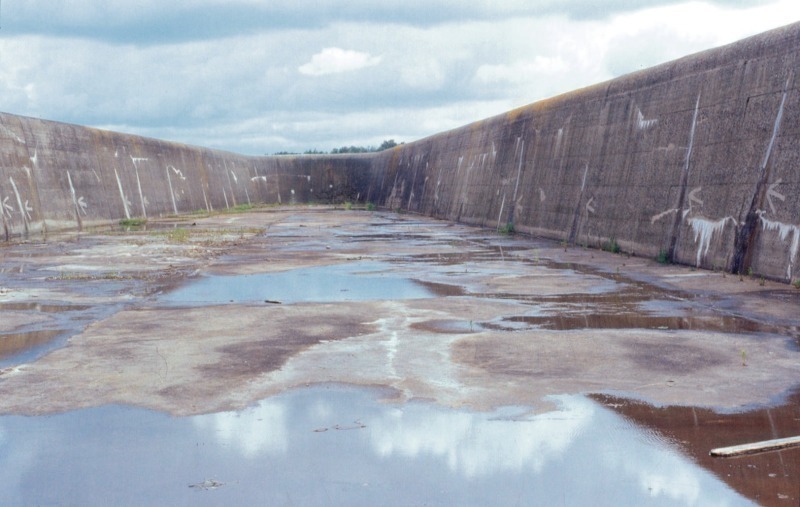
In 1940, for the first time Stanton determined that deterioration of concrete in the form of map cracking, pop-outs and gel exudation is the result of a reaction between the alkalis of the cement and the aggregates containing soluble silica [1]. The first documented case of damage in the world was at the Buck hydro-electric plant on the New River in Virginia (USA) where damage was detected in 1922, i.e. only 10 years after its construction [2]. The damages caused by ASR in the USA triggered comprehensive research regarding the causes, the development of testing methods and trials...