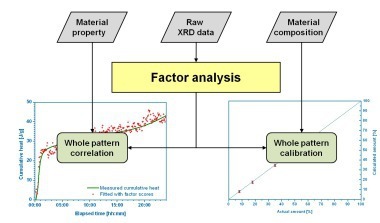


FT-IR spectroscopy for operational process and quality control of mineral building materials
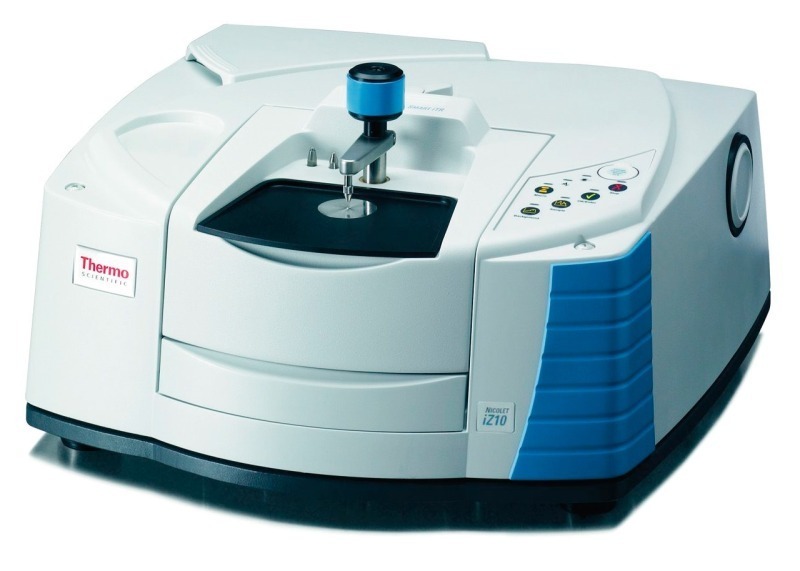
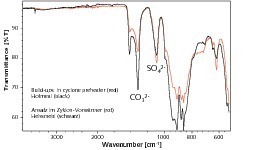
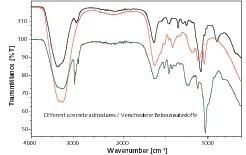
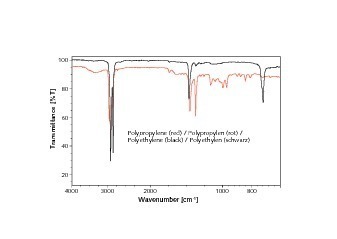
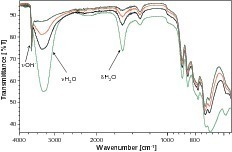
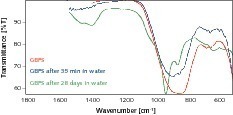
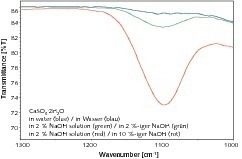
Summary: Fourier Transform Infrared (FT-IR) spectroscopy is an efficient tool for the qualitative and quantitative multicomponent analysis of solids. This article provides an overview of the use of FT-IR spectroscopy in quality assurance of building materials. It is demonstrated that this method is universally applicable for liquids (such as additives. for example) and solids (i.e., cement, lime and gypsum). Applications extend from the rapid and time-saving qualitative analysis of feed materials, up to and including quality control of mineral binders and building materials. In addition, modern measuring methods also permit quantitative tracking of in-situ reactions.
Laboratory automation systems incorporating X-ray diffractometers and spectrometers, permitting high-speed monitoring of all production stages, are nowadays routinely used for quality and production monitoring in the cement, lime and gypsum industries [1]. Fourier Transform Infrared (FT-IR) spectroscopy has for some time now been increasingly used in the analysis of mineral constituents in building materials, for the quantification and identification, specifically, of complex mixtures. Infrared spectroscopy, as a classical molecular spectroscopy, is based on the interaction of...