

70 years of ASR with no end in sight? (Part 2)
![12 Influence of the crystallite size on the X-ray peak [21]](https://www.zkg.de/imgs/101524235_e3142edce9.jpg)
![13 Influence of the microstrain on the X-ray peak [21]](https://www.zkg.de/imgs/101524144_7adb4c0fcc.jpg)
![14 Characteristic quartz quintuplet (5-finger-peak) [22]](https://www.zkg.de/imgs/101524228_01bc54d562.jpg)
![15 Structure types of strained quartz [25]](https://www.zkg.de/imgs/101524262_3429273f5a.jpg)
![30 Alkalis bonded in C-S-H phases depending on the C/S ratio [40]](https://www.zkg.de/imgs/101524197_7bc4709ee8.jpg)
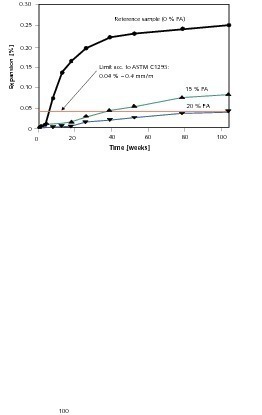
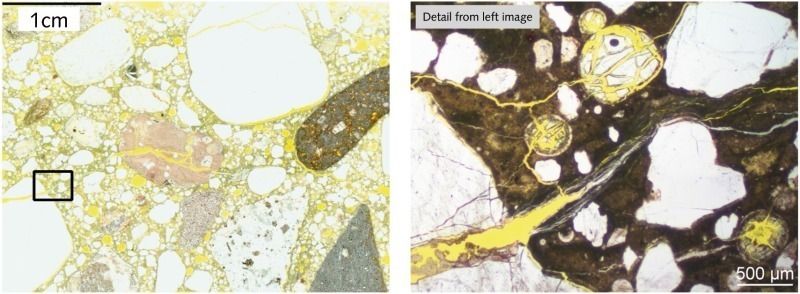
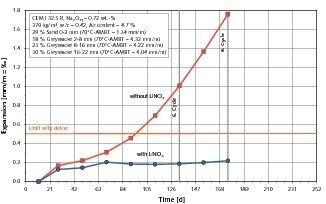
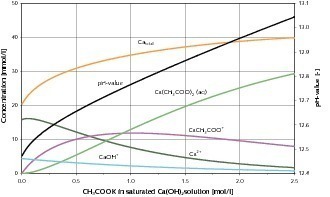
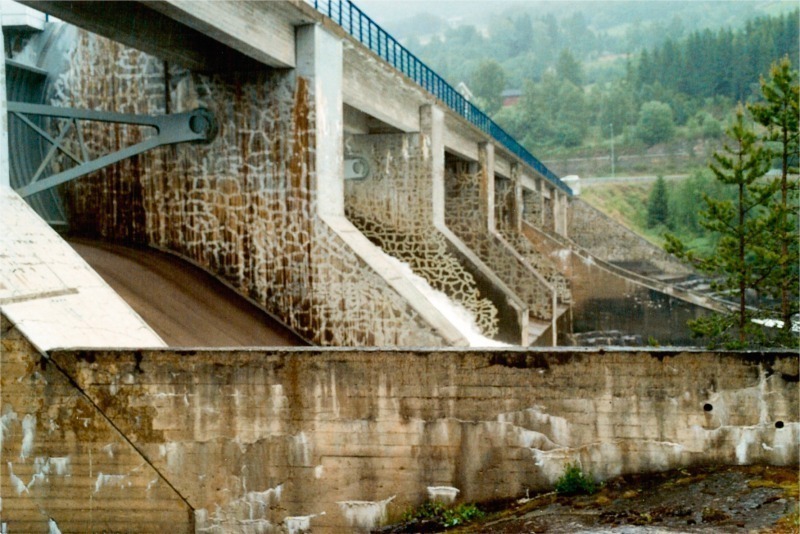
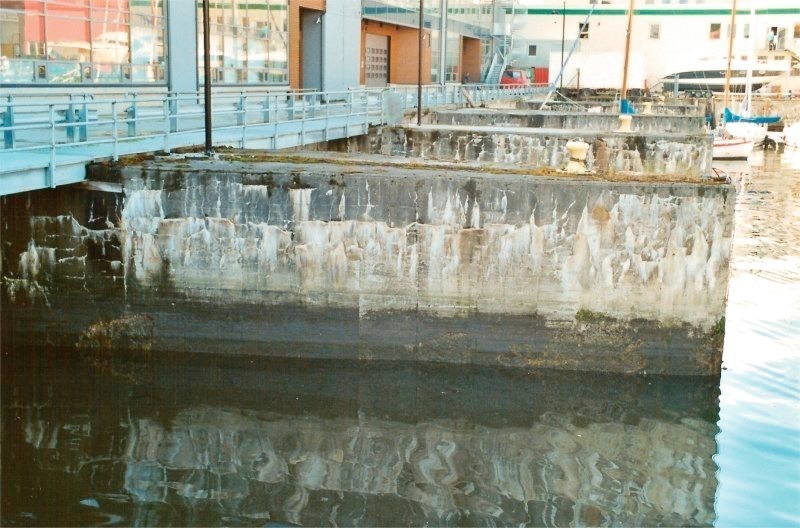
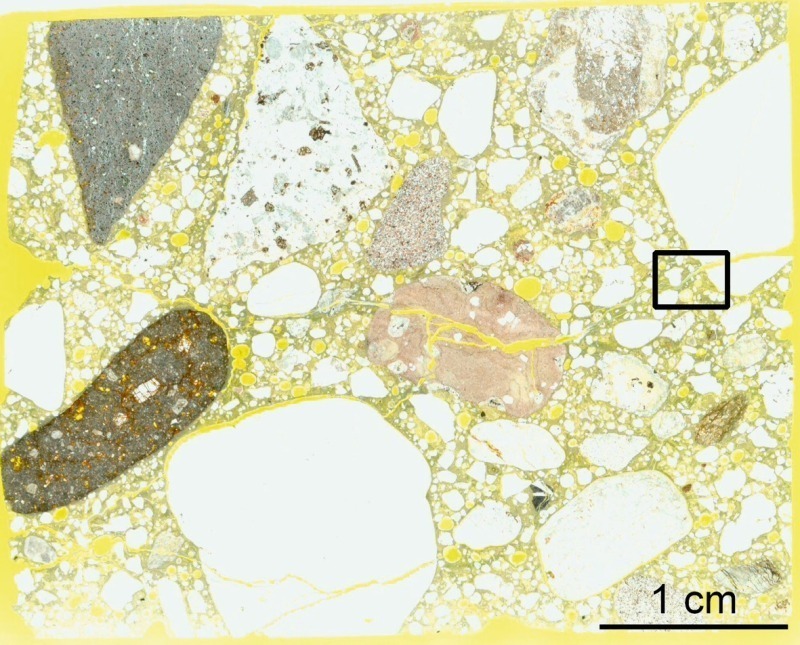
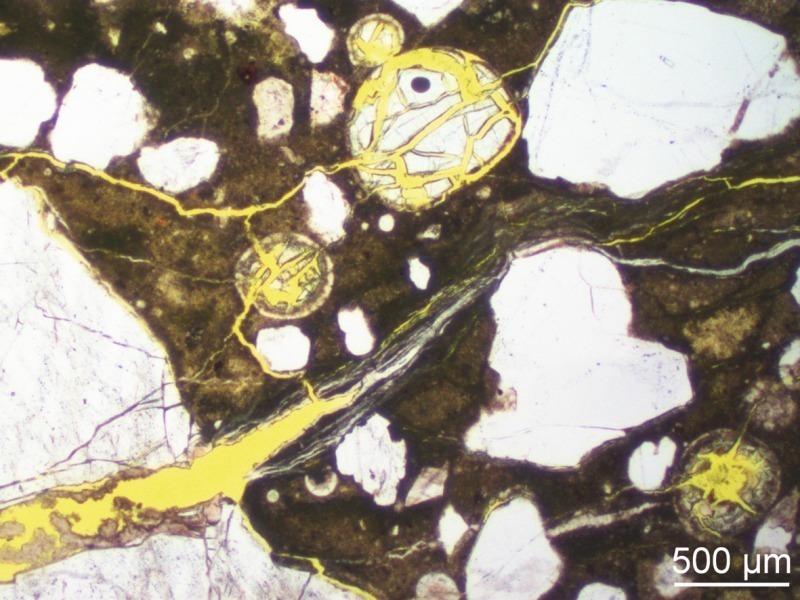
Summary: The deleterious ASR in concrete is an extremely complex long-term reaction. The amount and condition of the quartz in the aggregates play the decisive role. The alkali-silica gel is capable of swelling only in a certain range of the CaO content. Thus, all cement admixtures, which bind the Ca(OH)2 formed during the C3S and C2S hydration, help to avoid a deleterious ASR in concrete. If the currently available test methods, in particular the ASR performance test, are used consistently, a deleterious ASR can be avoided. Part 1 summarizes general mechanisms, ASR test methods and their pros and cons, part 2 gives in-depth information on specific research approaches, selected test methods and field cases of ASR-damaged structures.
A reliable evaluation of the ASR damaging potential of individual aggregates and project-specific concretes can be given, as matters stand at the moment, due to the combination of various, complementary investigations and test methods at the FIB [9, 28]. The following procedure is used at the FIB:
A preliminary evaluation of the reactivity of all aggregates (separately according to grain size fractions) that are intended to be used in a concrete is carried out by means of a mortar bar test, supported by petrographic and mineralogical investigations. Existing...