

Effect of the limestone fabric
on the fabric development in burnt lime
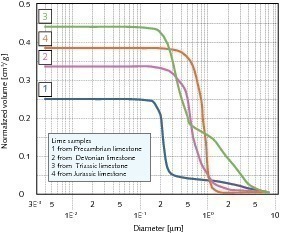
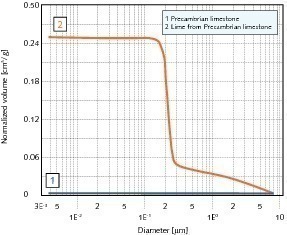
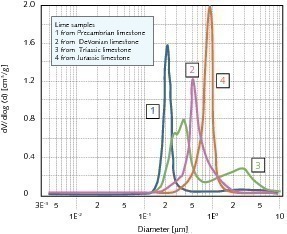
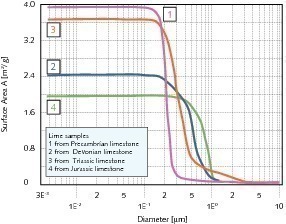
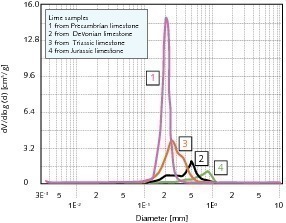
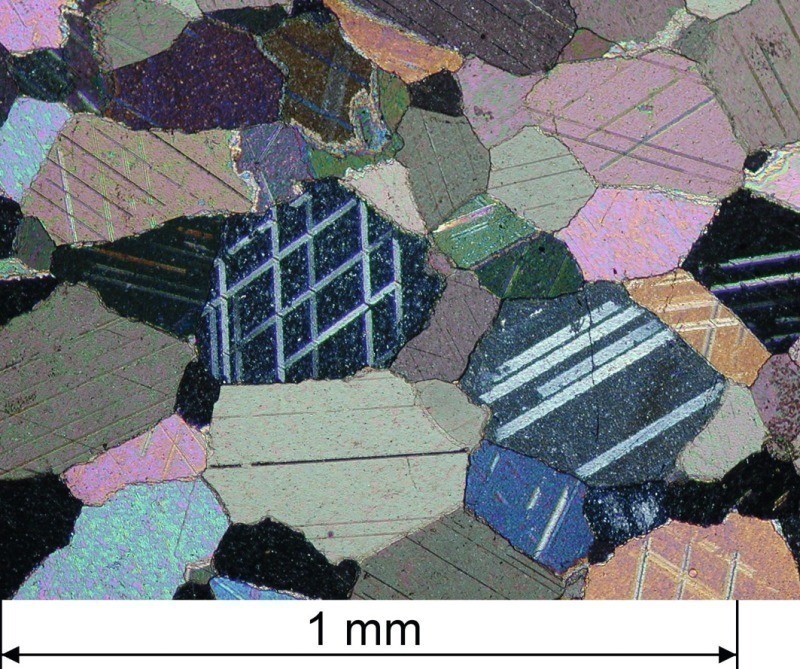
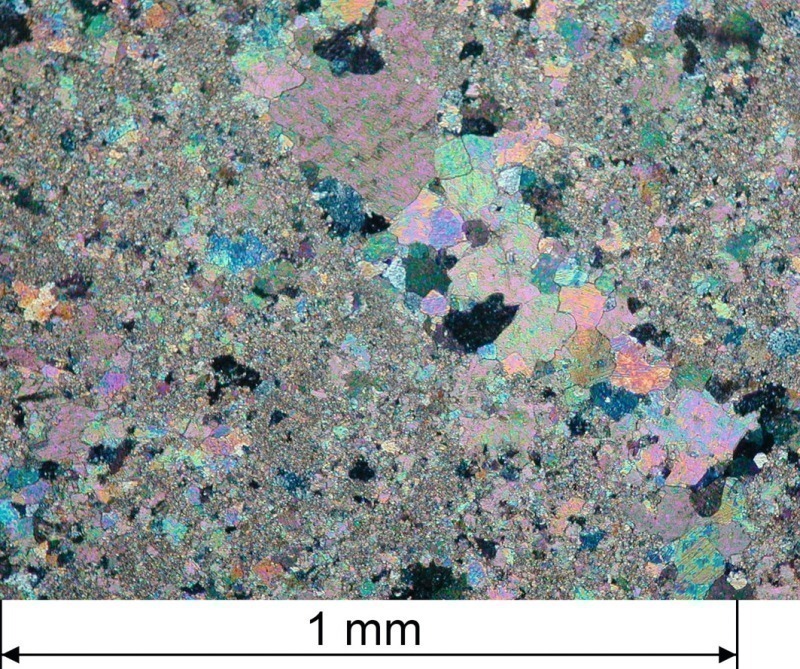
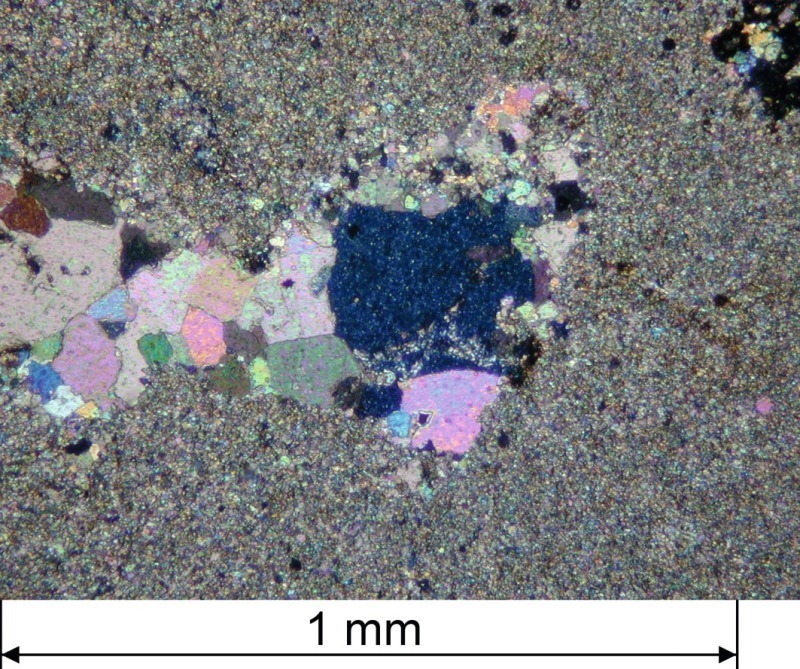
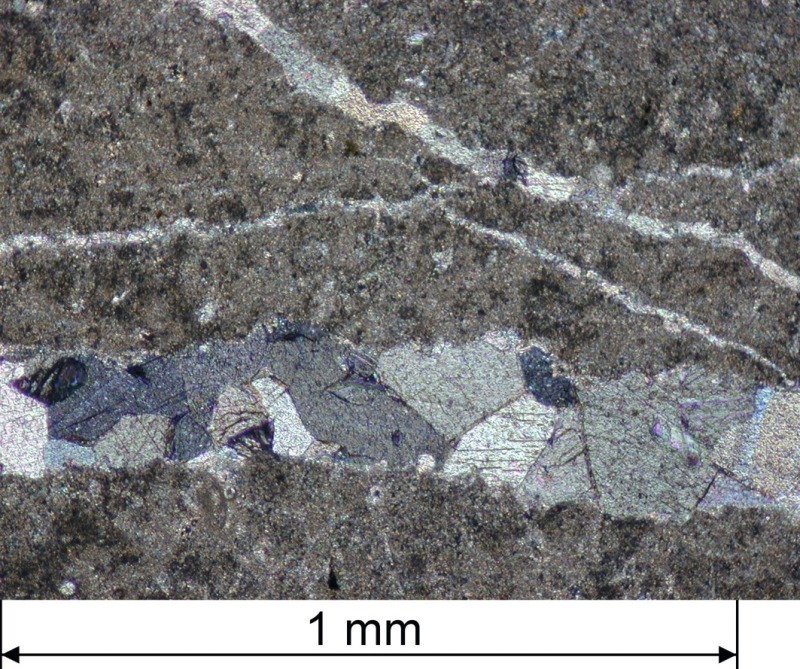
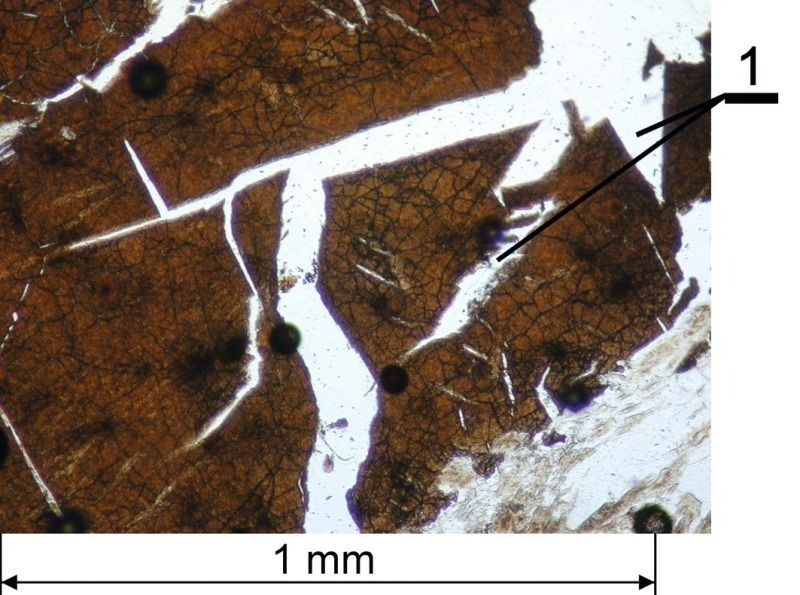
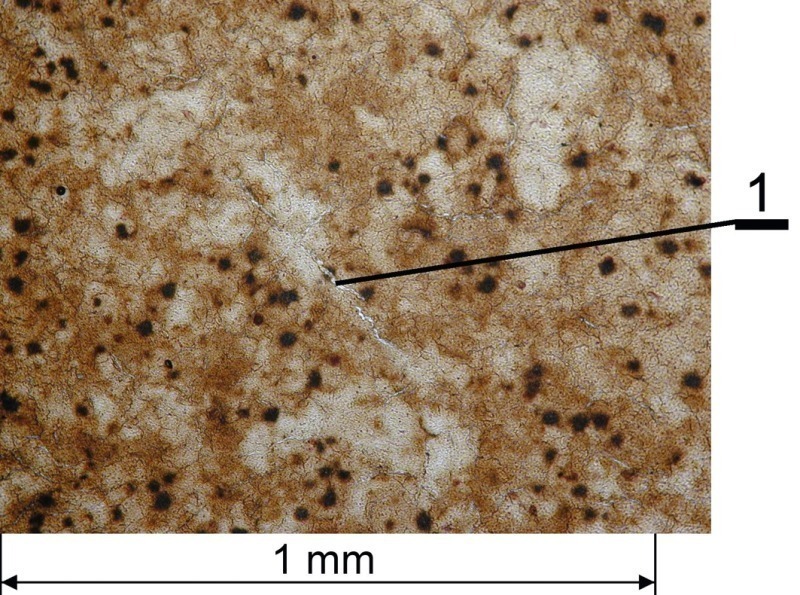
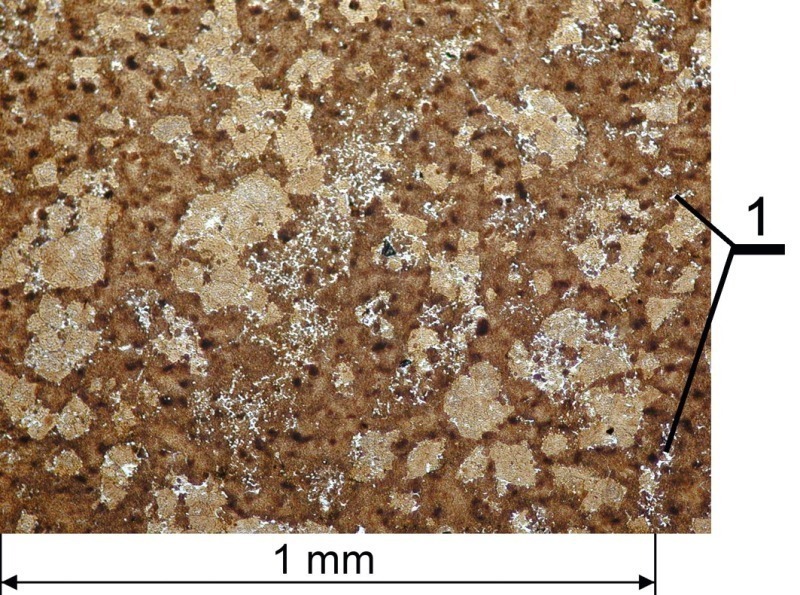
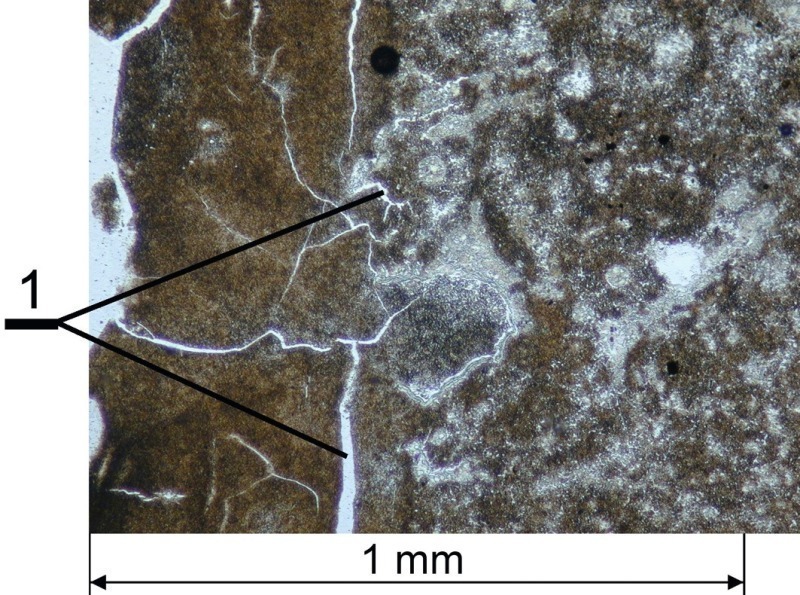
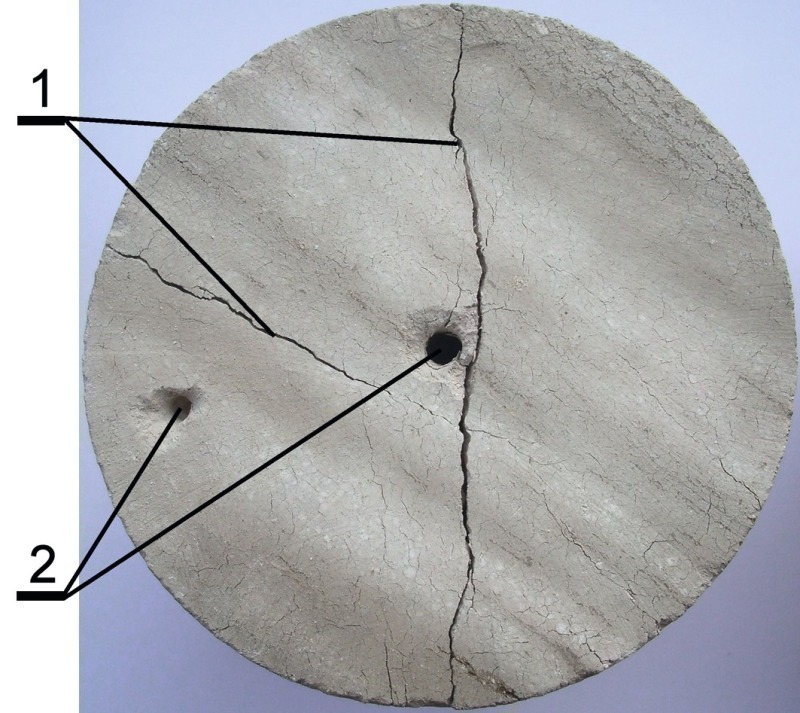
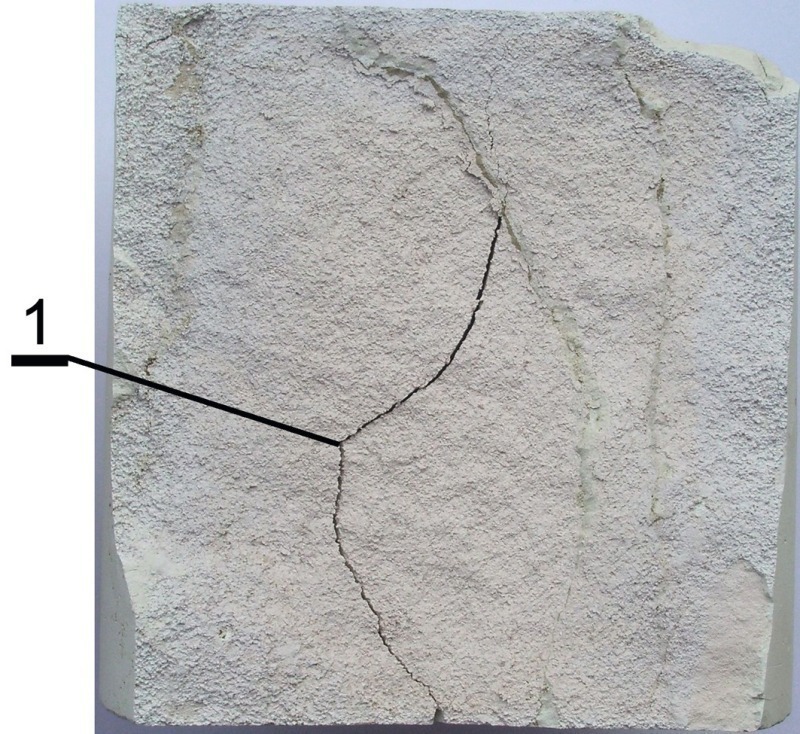
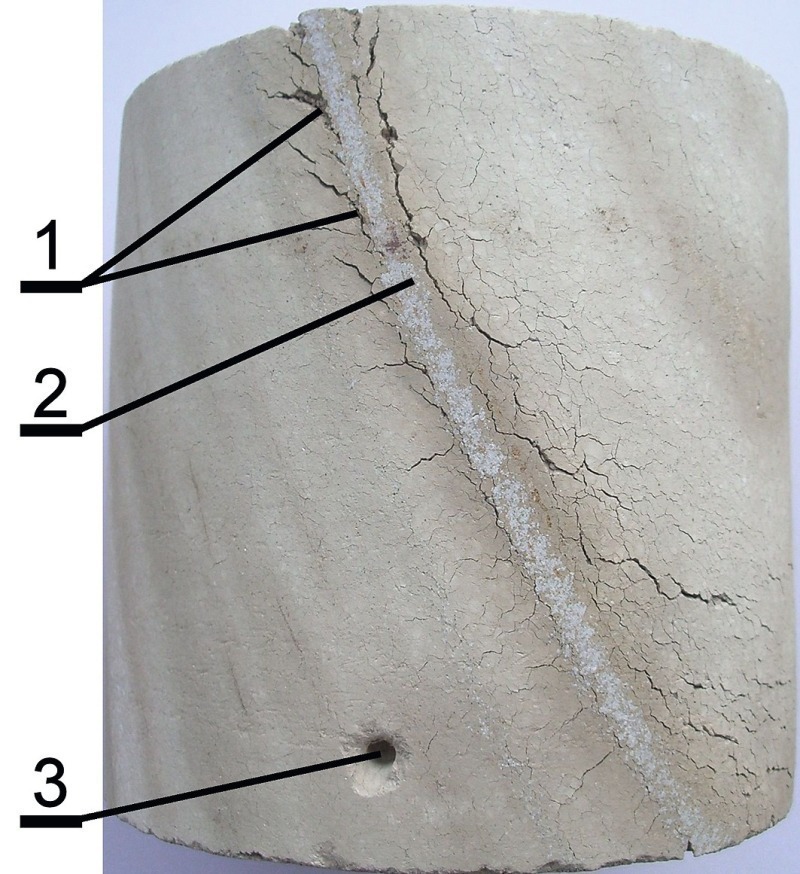
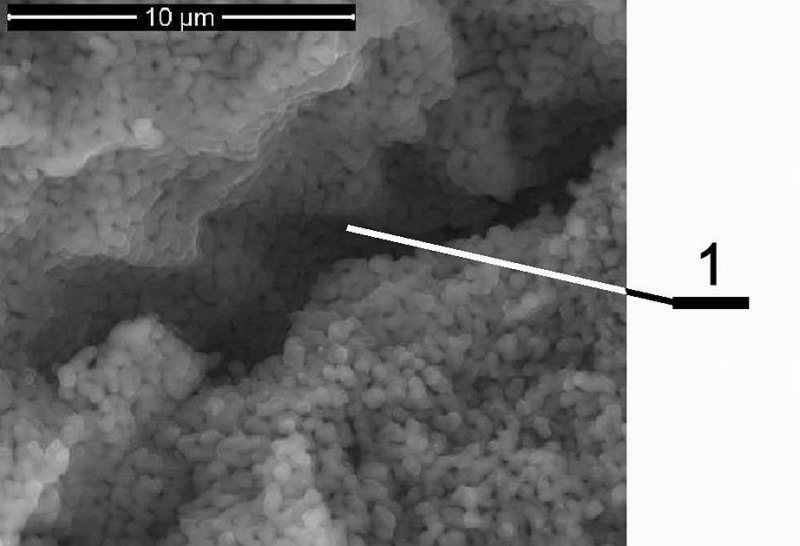
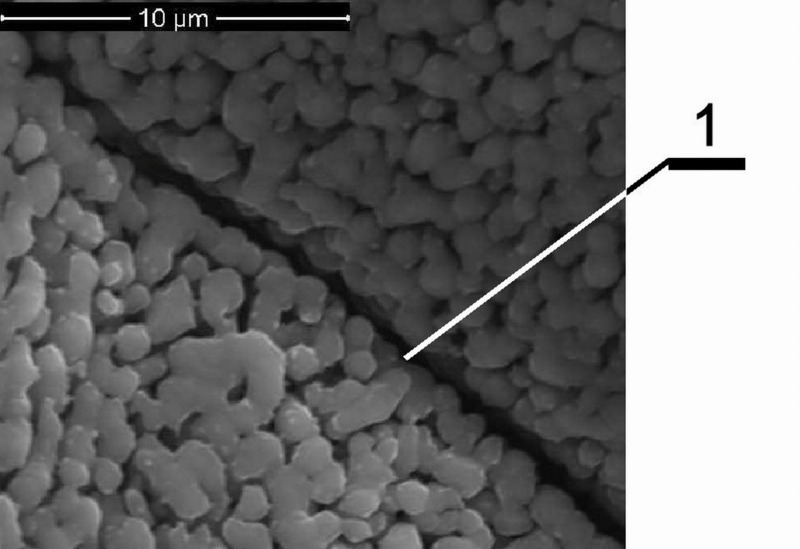
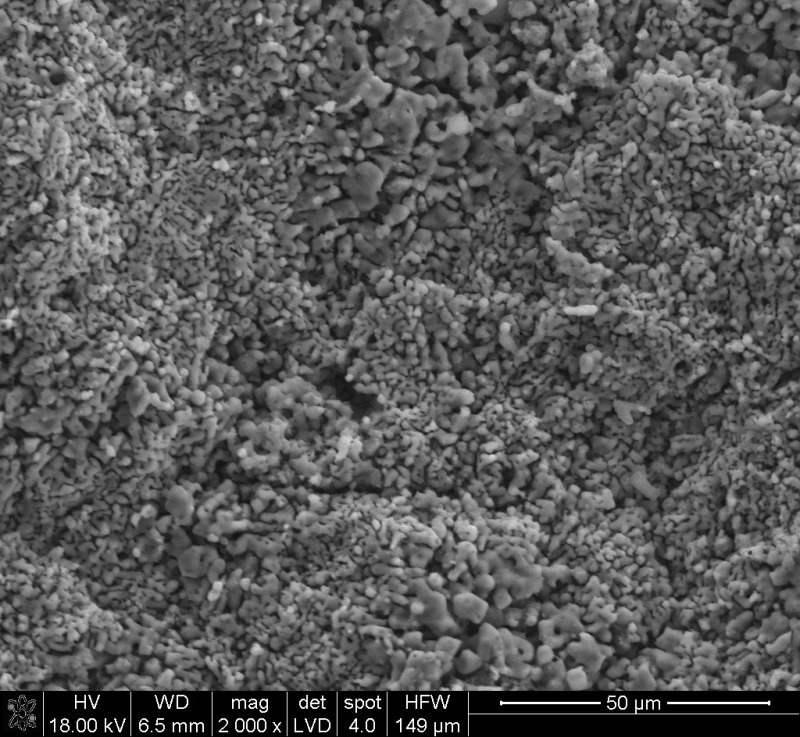
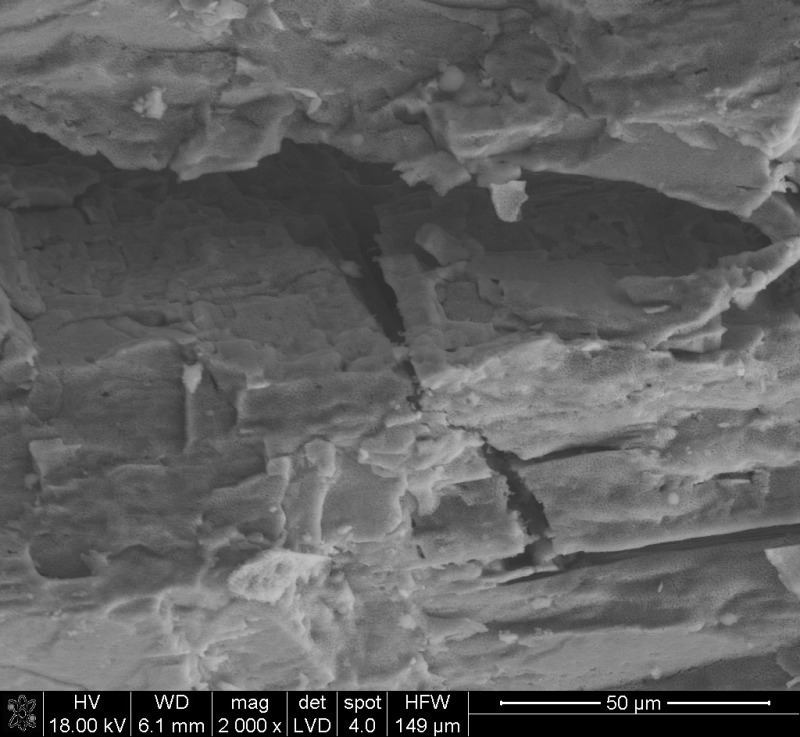
Summary: The lime textures have an important impact on the carbon dioxide flux transported through the material during calcination. Therefore the calcination time of the limestones is different. The texture of lime is formed by the micropores, mesopores, macropores, microcracks and macrocracks. The microcracks and macrocracks are the fast diffusion ways. Big changes in the pore sizes, microcrack and macrocrack sizes in lime are the reason that it makes no sense to use the free space hydraulic diameter in the carbon dioxide flux calculation. The texture of lime is regarded in the calculation by the use of porosity – tortuosity factor (v/t) and specific permeability (P) of lime, if the dusty-gas model is applied for the calculation. The carbon dioxide flux through lime may be calculated using the lime specific permeabilty P, if D’Arcy’s equation is applied in the calculation.
1 Introduction
The thermal decomposition time of a limestone lump depends on the type of limestone, the dimensions of the lump and the thermodynamic conditions of calcination [1]. Different values of the lime properties can be of importance [1–6]. Especially the carbon dioxide flux during calcination depends on the texture of the material. The texture [7, 8] of a porous medium is described using e. g. specific porosity of the medium, which is related to texture and refers to the pore space in the medium, specific permeability [9], pore size distribution, mean pore size, specific surface area,...