

Optimizing co-calcined red mud and kaolin clay as supplementary cementitious material for innovative low-carbon composite cement
The construction sector faces with the dual challenge of minimizing its ecological footprint while meeting the growing global demand for infrastructure and housing. Cement manufacturing is a major contributor to the industry’s environmental impact, accounting for nearly 8% of global carbon dioxide emissions [1]. Portland cement is the most widely used binding material in construction during the 21st century. Globally, India is the second-largest cement consumer after China. By 2023, global cement production reached about 4100 million tons (MT), with China contributing 2100 MT (51.2%) and India 410 MT (10%) [2]. Consumption of cement is expected to increase by 6–10% each year, which may double the size of the market in 8–12 years. During this period, the Indian government has also set a target of reducing industrial CO2 emissions. Yet, the cement sector is confronted with a serious challenge in terms of limestone reserves and power shortages because of constrained coal supplies. If these issues remain unresolved, cement production could decline or even cease in the future [3]. In addition, the cement industry is encountering obstacles because of the scarcity of natural raw materials. As a result, our primary objective is to identify supplementary cementitious materials [4, 5]. Furthermore, several kinds of industrial wastes, such as red mud (RM), are frequently released into the environment without any prior treatment, as they are typically decomposed in landfills [6, 7]. The utilization of this waste as a supplementary cementitious material (SCM) in cement manufacturing contributes to sustainable development by reducing waste disposal volume and conserving natural resources [8–10].
When bauxite is processed into alumina by the Bayer process, red mud (RM) is generated as an industrial waste [11]. RM mainly composed of Al2O3, Fe2O3 and SiO2, which is around 75–80%. Iron oxide is responsible for the red colour of the red mud. For every tonne of alumina produced, 1–1.5 tonnes of RM are generated, amounting to over 95% of global alumina output. In 2020, global RM production exceeded 175 million tonnes, corresponding to an alumina output of 133 million tonnes [12]. India’s annual production of red mud was estimated to be around 9 to 10 million tonnes [13]. Red mud is known for its high alkaline pH and the presence of numerous chemical components. Contact with landfill water may cause the leaching of alkaline chemicals and other contaminants. This seepage can contaminate the ground and groundwater within the area [14]. Kaolin clay is an aluminosilicate mineral occurring naturally and developing mainly as a result of weathering aluminium-rich silicate rocks, most often feldspar. It possesses a layered structure of tetrahedral silica sheets bound to octahedral alumina sheets, with a typical composition of 45–55% SiO2, 35–40% Al2O3, and 12–14% H2O. In its raw form, kaolin exhibits negligible pozzolanic activity. Thermal activation between 600–800°C induces dehydroxylation and structural reorganization, producing metakaolin, which is a highly reactive pozzolanic material. The suggestion to co-calcine RM with kaolin clay or coal gangue additives introduces a new mechanism for generating an enhanced pozzolanic product [15].
Jin et al. [15], emphasize that co-calcination takes advantage of the synergistic interactions between RM and other compounds, which exhibit greater pozzolanic activity. These interactions were achieved through thermal activation, which transforms raw materials into reactive aluminosilicates. For instance, Peys et al. [16] demonstrated that co-calcination under optimal temperatures (approximately 750°C) yields materials with compressive strengths similar to or better than those of conventional supplementary cementitious materials (SCMs). In a particular study, mortars containing 30% co-calcined red mud and kaolin clay exhibited compressive strengths of 73%, 87%, and 88% compared to Portland cement at curing ages of 2, 7, and 28 days, respectively. The co-calcined RM and the calcined clay reference samples both had comparable compressive strengths when mortars were made with a 30% substitution of CEM I. Co-calcination of red mud with low-grade kaolinitic clay produced an SCM with reduced free sodium concentration and moderate reactivity. Zhang et al. [17] investigated coal gangue and kaolin clay as additives to enhance pozzolanic activity and mechanical properties. These materials supply silica and alumina, which react with calcium hydroxide during hydration to improve strength and durability. Besides the technical advantage, the co-calcination process also mitigates environmental issues related to RM disposal through the suppression of heavy metal leaching. The process also aligns with global sustainability goals by reducing the carbon footprint of cement production and promoting waste valorization. Peys et al. [18] found that the pozzolanic reactivity of co-calcined RM also depends upon the purity of kaolin clay. The desired reactivity can be obtained by optimizing the RM and kaolin clay ratio. The adequate reactivity can be acquired using 40% kaolinite content in kaolin clay. Arruda et al. [19] prepared a pozzolanic pigment through the calcination and grinding of red mud and kaolin waste. The obtained pozzolanic pigment exhibited better behaviour than the commercial pigment in mechanical resistance, sodium leaching reduction and higher colour stability due to the decrease in efflorescence. Zhang et al. [20] demonstrated that RM and coal gangue could replace up to 50% of raw materials to produce silica-alumina-based cementitious materials. C-S-H gel and ettringite were the major hydration products of red mud and coal gangue added mixture, which were mainly accountable for strength development. The concentration of Ca(OH)2 increased first but then decreased after it attained the maximum value at 21 days. Furthermore, the C-S-H gel composition shifted towards higher Si, Al, and Na contents with increasing hydration age, while Ca content decreased.
This study explores the use of co-calcined red mud with kaolin clay mixture as a pozzolanic material for cement-based composites. The primary concern of this study is to assess the viability of co-calcined red mud with kaolin clay as a cement replacement in OPC variants in comparison to fly ash and other SCMs such as red mud and calcined red mud. In addition, the significance of this investigation lies in evaluating variations in the source of raw materials, especially red mud and kaolin clay collected from different parts of the Indian subcontinent, that affect the pozzolanic reactivity and performance of the developed co-calcined red mud and kaolin clay blend. Because the chemical and mineralogical composition of these raw materials can vary considerably with location, such variations are likely to influence the phase transformation behaviour during the co-calcination process, including the degree of conversion from crystalline to amorphous phases. In addition, the presence of varying amounts of silica, alumina, iron oxides, alkali content, and other impurities may alter the thermal reaction pathway, formation of new phases, and the overall development of microstructure and strength development. This study explores the pattern of behaviour of combined red mud and kaolin clay when calcined in an attempt to determine sustainable cement replacement products. The resulting cement composite was characterized by the pozzolanic reactivity test (lime reactivity test, Strength Activity Index and Frattini test). Furthermore, RM and kaolin clay (70:30) were co-calcined together at an optimized temperature of 800°C for 1 h, and then this resultant mixture was partially replaced by OPC cement at a 30% substitution rate. Further, fresh (setting time), hardened (compressive strength) and microstructural properties (XRD, FTIR, surface area and pore size distribution) were conducted to evaluate the performance of composite cement and then compared with fly ash, raw RM, and calcined RM mix. In addition to reporting experimental results, the manuscript systematically studied the relationship between thermal activation (co-calcination) conditions, mineral and amorphous content transformation, pozzolanic reactivity, and the resulting physico-mechanical and microstructural properties of the developed SCM system. Therefore, this study also provides a scientific interpretation of the mechanisms governing the performance of co-calcined red mud-based SCMs. The results of this research can minimize red mud environmental impacts during disposal, while creating an environmentally friendly cement manufacturing process. The co-calcination process enhances the pozzolanic activity of red mud to produce desired alternative cement materials that meet both environmental requirements for red mud disposal as well as climate change mitigation.
The raw materials employed in this study were red mud (Jharkhand, India), kaolin clay (Rajasthan, India), class F fly ash (Uttar Pradesh, India), and OPC cement (JK Super Cement). The chemical composition of the raw materials is presented in Table 1.

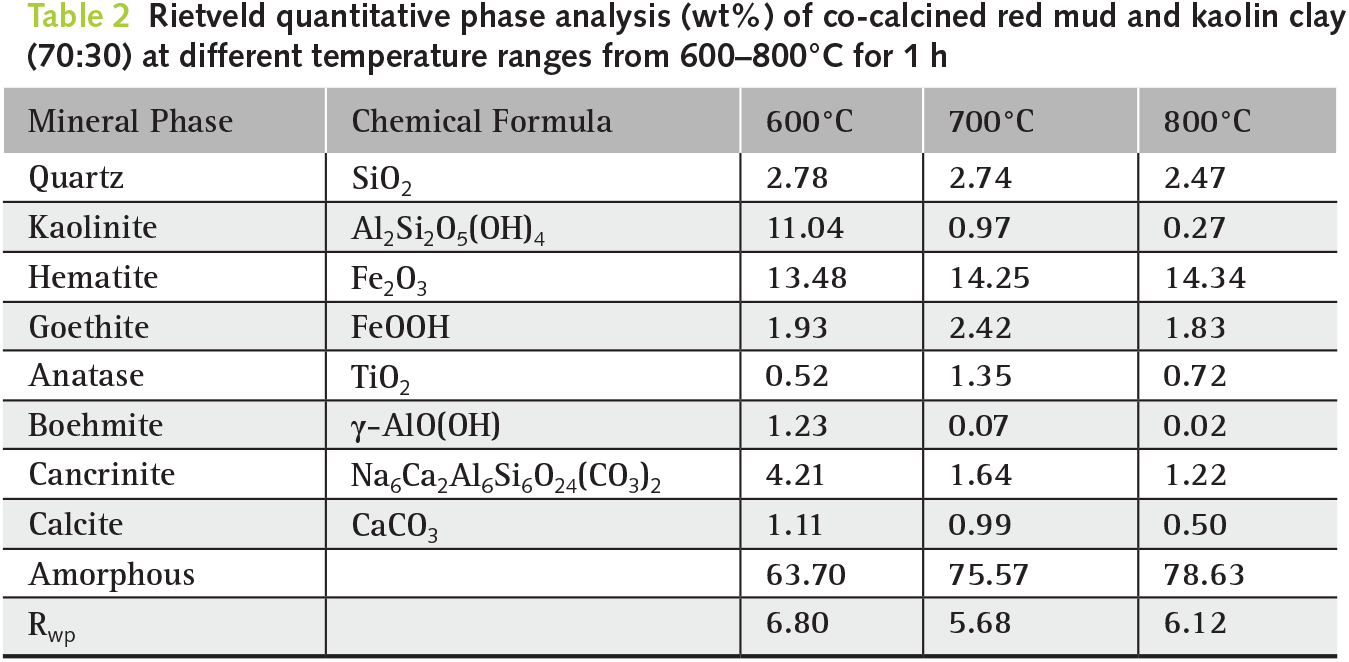
After the procurement of raw material, red mud, kaolin clay and fly ash were kept in an oven at 100 ± 10°C for the removal of moisture content. The red mud and kaolin clay (70:30) ratio was selected as per previous literature [16]. This mix ratio was interground in a ball mill for uniformity of mix and to obtain the desired particle size. The resultant mix underwent calcination at a temperature of 600–800°C for 1 h. The particle size distribution of the co-calcined mix after co-calcination was D10–1.60 μm, D50–8.98 μm at 600°C, D10–1.52 μm, D50–8.94 μm at 700°C and D10–1.26 μm, D50–8.47 μm at 800°C. XRD analysis of co-calcined mix at different temperatures as shown in Figure 1. The smoothing and baseline correction were applied in the XRD graph to minimize background noise and slope or uneven baseline. The crystalline phases of the co-calcined mix at different temperatures were quantified using Rietveld refinement (Bruker Topas v5 software). In the QXRD-Rietveld analysis, rutile with 97.5% crystallinity was used as the external reference for calibrating amorphous content. Table 2 shows the Rietveld quantitative phase analysis of co-calcined mix at different temperature ranges. The content of quartz, hematite, and anatase remains unaffected during the co-calcination temperature (600–800°C) due to its crystalline in nature. The kaolinite, boehmite and calcite content were completely decomposed up to 800°C, indicating the transformation to a reactive amorphous phase. Also, the desilication phase (cancrinite) was partially decomposed, leading to the formation of an amorphous phase. This crystalline-to-amorphous transformation is specifically important because it dominates the availability of reactive silicate/aluminosilicate phases and thereby controls the pozzolanic reactivity. It was observed that amorphous content increases from 63.7% to 78.6% with an increment in co-calcination temperature, resulting in an enhanced pozzolanic reactivity. The kaolinite peak (around 12° (2θ)) in the co-calcined mix was reduced as the co-calcined temperature increased, due to complete transformation to the highly reactive metakaolin phase. In addition, the desilication phase cancrinite at 24.5° (2θ) transforms to the reactive amorphous phase during the co-calcination process. Therefore, co-calcination of red mud and kaolin clay was optimized at a temperature of 800°C for 1 h. A similar temperature was used in the case of red mud to make calcined red mud. This calcined mixture was followed by sudden cooling after the respective calcination temperature. Various pozzolanic reactivity tests were carried out on fly ash, raw red mud, calcined red mud, and a co-calcined red mud mix, as per the relevant standards. Furthermore, OPC cement was substituted by SCM at the amount of 30%. The replacement level of OPC cement by SCM was taken from previous literature [16, 18]. After that, casting for various properties was carried out, followed by testing as per the relevant standard. The results were compared with fly ash, raw red mud, and a mix of calcined red mud containing a mix at the same OPC cement replacement ratio.
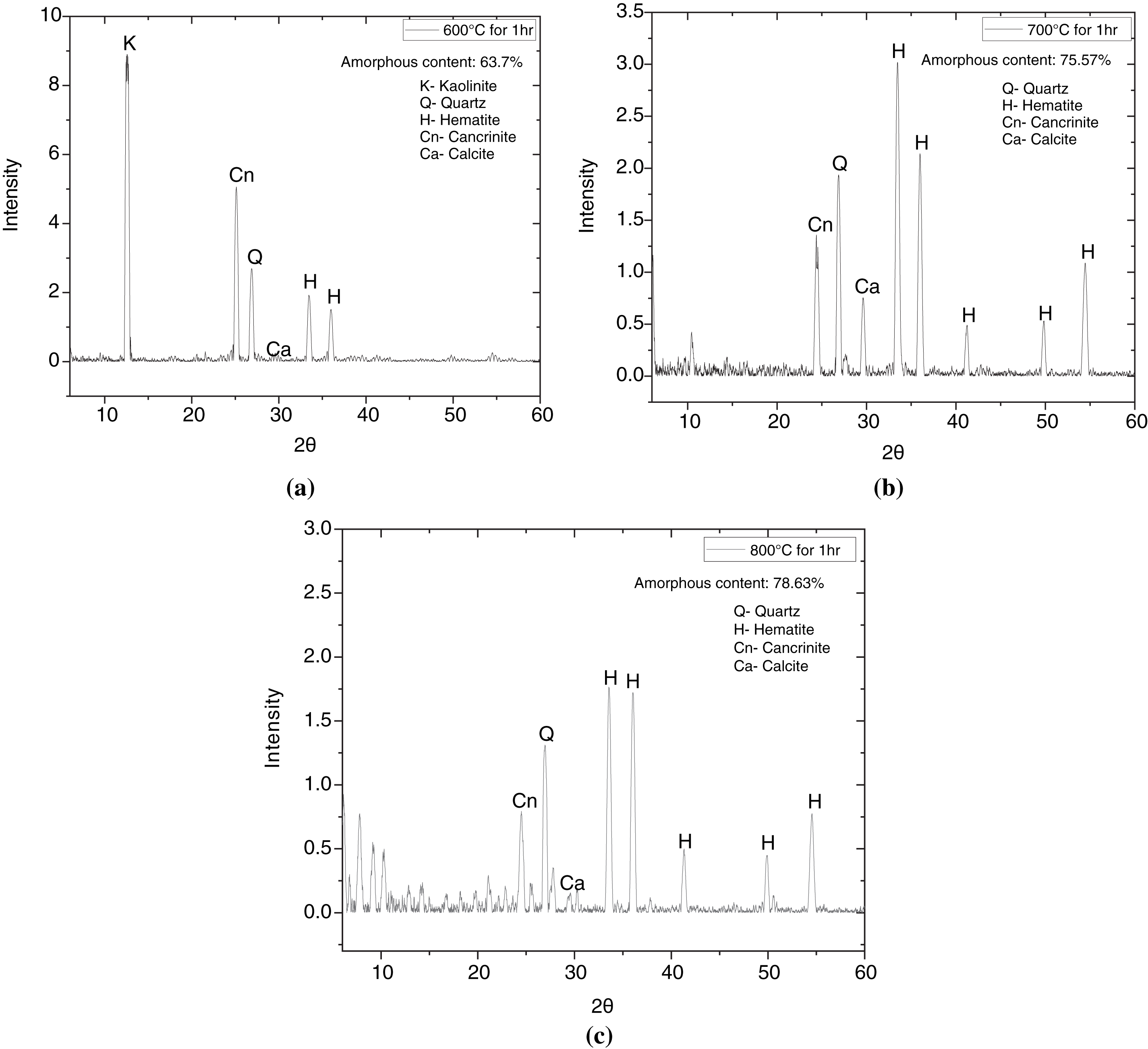
Figure 1 XRD analysis of co-calcined red mud and kaolin clay at different temperatures from (a) 600°C for 1 h (b) 700°C for 1 h (c) 800°C for 1 h
The standard consistency test, performed using Vicat’s equipment, indicates the quantity of water required to develop a workable cement paste, as stated in IS: 4031 (Part 4) [21]. The initial and final setting times were calculated using Vicat’s equipment in accordance with IS 4031 (Part 5) [22]. Delaying the hardening and hydration process requires a sufficient initial setting time. The first setting occurs when the cement paste begins to lose its plasticity. The final setting occurs when the cement paste loses its plasticity fully.
For the lime reactivity test, the mortar was produced using 1:2M:9 (lime: pozzolana: sand) (IS 1727:1967) [23]. M represents the specific gravity ratio of SCM to lime. The mortar cube samples that are prepared are moist-cured at 50°C for a period of eight days. After a period of eight days, the compressive strength of the samples was assessed.
For the Frattini test, 16 g of OPC and 4 g of sample were mixed with 100 mL of distilled water and kept in an oven at 40°C for 8 days, and then the sample was filtered through filter paper. The filter solution was then subjected to titration for OH− and Ca2+ ion concentration. The concentration of OH− was determined by titration with a 0.1 mol/L diluted hydrochloric acid solution in the presence of a methyl orange indicator. The pH of the titrated solution was adjusted to 12.5 ± 0.2 by adding sodium hydroxide, and then the Ca2+ concentration was determined by titration with a 0.03 mol/L EDTA solution in the presence of murexide indicators (EN 196-5:2011) [24].
The strength activity index (SAI) is an SCM mix strength ratio relative to a control mix strength (ASTM C311-11b) [25]. It involves comparing the compressive strength of a test mortar, where a portion of Ordinary Portland Cement (OPC) is replaced with the SCM, against a control mortar made entirely of OPC. This test was conducted at 7 and 28 days. For this test, mortar was prepared with cement: SCMs (80:20), and w/c was maintained as per the workability of each mix using a flow table.
Compressive strength is a crucial mechanical property examined in almost all research studies. It is assessed using a universal testing machine (UTM) and is determined as the highest stress a cube specimen can endure before it fractures. The compressive strength of the RM-added composite cement was measured. For this test, a 1:3 ratio (RM added cement composite: sand) was used. The 50 mm3 size of the mould used for casting the cube, followed by curing of the mortar cube for 7 and 28 days. Compression tests were performed after the relevant curing days.
X-ray diffraction (XRD) (Make: Rigaku, Japan; Model: D-Max 2200) was utilized to obtain extensive information on the mineralogical composition and crystalline structure of the samples. The entire spectrum of diffraction angle with respect to the corresponding incident angle was used to identify the material. The system was operated under an N2 filter at room temperature, with an optimal diffraction angle range of 5° to 80° (2θ) under 40 kV, 25 mA conditions.
Fourier Transform Infrared (FTIR) spectroscopy was employed to investigate the functional groups and bonding characteristics of the hydrated mortar samples. The spectra were recorded in the region ranging from 4000 to 400 cm−1, and averaging 16 scans was performed to ensure accuracy.
The Brunauer–Emmett–Teller (BET) surface area and pore size distribution of the hydrated mortar samples were determined using nitrogen adsorption–desorption isotherms. Prior to analysis, the samples were degassed under N2 at 50°C for 6 h to remove adsorbed moisture and contaminants. The adsorption isotherms were recorded at liquid nitrogen temperature (77 K), and the BET equation was applied in the relative pressure range of 0–0.35 (P/P0) to calculate the specific surface area. The total pore volume was obtained from the amount of nitrogen adsorbed at a relative pressure.
After 28 days of curing, the hardened mortar specimens were crushed into ~10–20 mm pieces. Hydration was stopped using a solvent exchange procedure. The crushed samples were submerged in anhydrous isopropanol for 24 h to replace the pore water with solvent, preventing further hydration. After solvent exchange, samples were dried at ~40°C for 1 h to remove residual alcohol. This technique eliminates unbound water while minimizing damage to hydration products and carbonation potential. The desolvated samples were kept in sealed containers with a desiccant (low-humidity settings) until testing. To prevent moisture absorption during microstructural tests (XRD, FTIR, and BET) on hydrated materials, which were gently crushed through a 75 μm sieve in an inert environment. Although the solvent-exchange and sealed-storage procedures were employed to minimize additional hydration and carbonation during crushing, drying, grinding, and transfer prior to testing.
The life cycle assessment of 1000 kg production of composite cement containing co-calcined RM and conventional OPC cement was performed using SimaPro 10.4.0.0 software. The system boundary for the production of composite cement containing co-calcined RM was taken as cradle-to-gate. The inputs were taken from the Ecoinvent 3-allocation (system) database. The various impact categories were calculated according to the ReCiPe 2016 Midpoint (E) (V1.12) method.
3.1 Pozzolanic reactivity test
This test determined the amount of lime consumed during the pozzolanic reaction. The test measures the reactivity of a pozzolanic material with hydrated lime by assessing the compressive strength of standard mortar cubes. The results indicated that the material ability to react with lime to form cementitious compounds, which is a key property of pozzolanic materials. The pozzolanic reaction is carried out in three phases. The first stage involves dissolving lime in water (Equation (1)), which produces an extremely basic medium (pH > 12). The second process is the dissolution of amorphous silica from the pozzolan (Equation (2)), while the third step is the interaction of H2SiO42− with calcium ions to create C-S-H (xCaO∙SiO2∙yH2O) (Equation (3)) [26].
The lime reactivity of mortar (lime: pozzolana: sand) containing different SCMs is shown in Figure 2. For this test, three samples were prepared for each mix. The average value and standard deviation were determined using the results of the three samples. The standard deviation of all the mixes was in the range of 0.19–0.25. The lime reactivity of the co-calcined RM added mix was 10.5, 126.3 and 45.0% higher than that of fly ash, RM and calcined RM mix, respectively. The threshold value for lime reactivity of any pozzolanic material is 4 MPa as per IS 1344. Figure 2 shows that the lime reactivity of fly ash and co-calcined RM was higher than the threshold limit. It shows lime added in the mix reacted with fly ash and co-calcined red mud and forms additional hydration products as compared to the raw RM and calcined RM mix, which is responsible for strength development. Therefore, fly ash and co-calcined RM could be used as a pozzolanic material in a cementitious matrix. It might be due to the conversion of crystalline to highly reactive amorphous silica and alumina during the process of co-calcination [27]. Another reason might be that the sodium-containing phases react with kaolinite, resulting in increased overall reactivity [16].
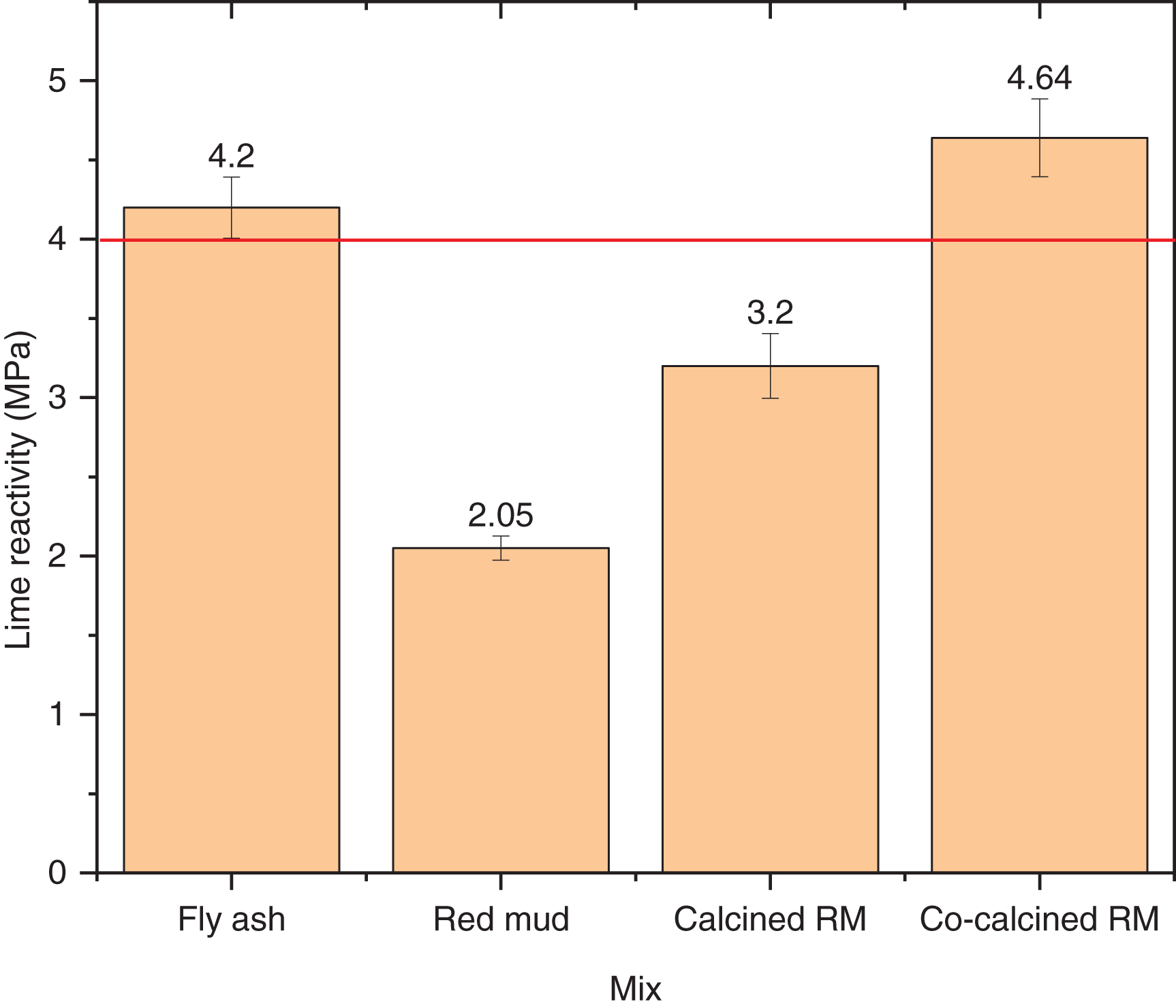
Figure 2 Lime reactivity of a mix containing various SCMs
3.1.2 Strength activity index (SAI)
The SAI is a ratio of the strength of the SCM mix to the strength of the control mix (ASTM C311-11b) [25]. SAI of cement mortar containing different SCMs is depicted in Figure 3. The three samples were prepared for each mix. The average value and standard deviation were determined using the results of three samples, which are presented in Figure 3. Red mud failed to meet the standard pozzolanic requirement, as its SAI values of 60 ± 2.9% at 7 days and 66 ± 2.5% at 28 days remained well below the 75% threshold limit. Here, the “±” values represent the standard deviation. In contrast, thermal activation enhances the reactivity of the mix. Calcined RM shows an improvement over the raw RM, successfully reaching the 75% benchmark by the 28 days. However, Co-calcined RM outperformed among all the mixes, which emerged as the superior pozzolanic material. SAI of co-calcined RM was 110 ± 1.5% and 100 ± 2.4% at 7 and 28 days, respectively. It means this mix showed comparable mechanical properties compared to the control mix. Increased SAI reflects increased reactivity and strength gain contribution. The pozzolanic reaction accelerated by calcination results in increased consumption of lime and subsequent greater production of strength-gaining phases such as calcium silicate hydrate (C-S-H) and calcium aluminate silicate hydrate (C-(A)-S-H) [28–30]. Hence, co-calcined RM with kaolin clay had increased strength gain among all the SCMs investigated. RM had the lowest SAI values, as expected, affirming its nil pozzolanic activity and inert filler properties. Calcined RM had moderate SAI improvement, particularly at 7 days. Increased SAI in calcined RM added mortar was due to soluble sodium in calcined RM, causing early strength gain. Increased strength gain with calcined RM is due to partial activation during calcination.
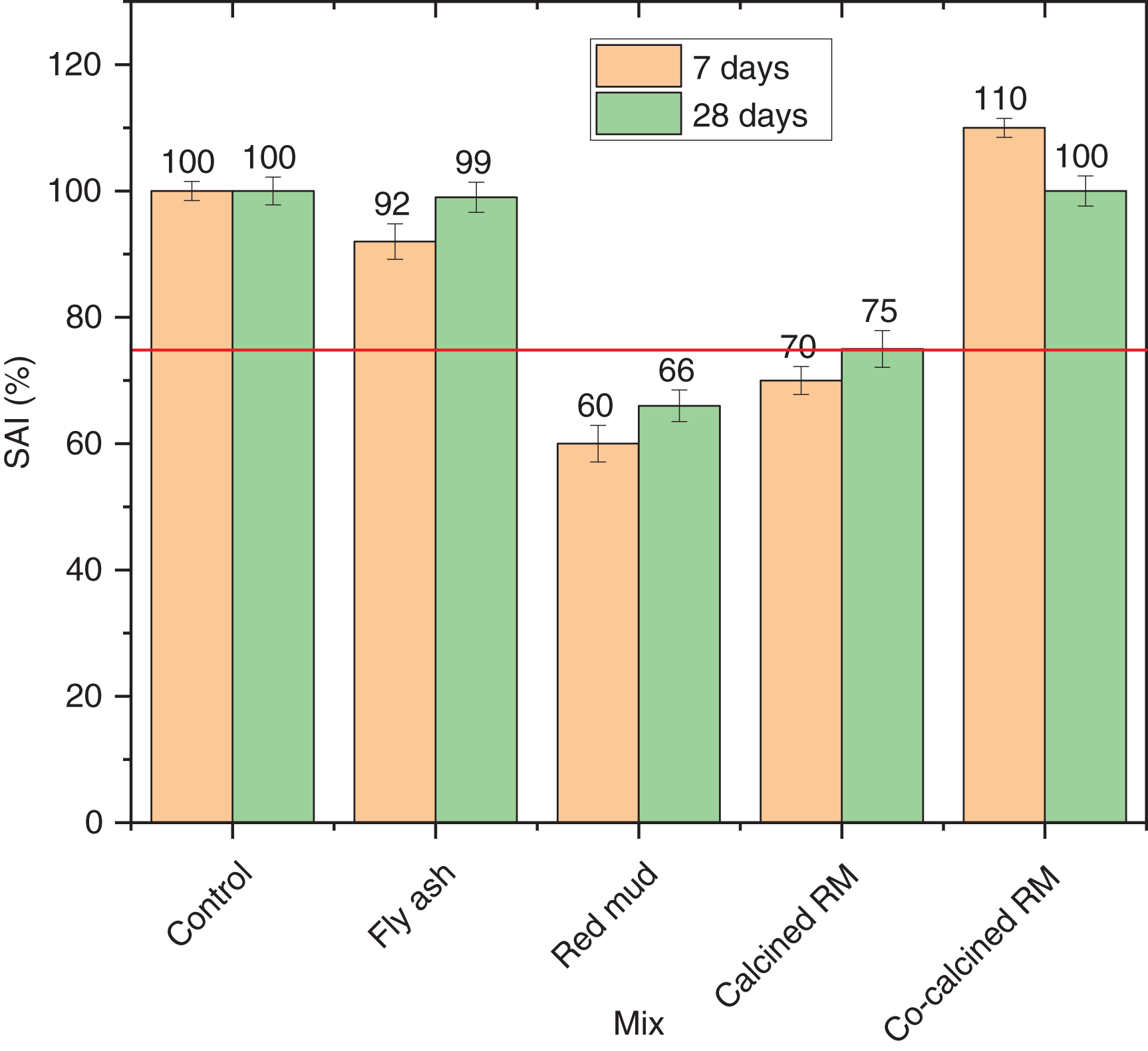
Figure 3 SAI of mortar incorporating different SCMs at 7 and 28 days
This test allows for the determination of the amount of lime used during the pozzolanic reaction in an aqueous solution. Results that fall below the lime solubility curve suggest pozzolanic material, as since Ca2+ is removed from the solution. Decreasing the hydroxyl concentration causes an increase in the C-S-H and C-(A)-S-H nuclei. The lime solubility curve at 40°C displays the maximum Ca2+ concentration as a function of OH−, as calculated using the Equation (4) (EN 196-5: 2011).
Figure 4 illustrates that lime consumption has taken place below the curve as both fly ash and co-calcined RM have descended below it. Also, co-calcined RM lies leftward as compared to fly ash, which indicates that more lime consumption takes place in the co-calcined RM mix as compared to fly ash. Lime consumption leads to the formation of the binding phase, in which stable phases like calcium silicate hydrate (C-S-H) are developed, which are responsible for strength development and durability improvement of the composite cement [31, 32]. Their higher pozzolanic activity characterizes their capacity for enhancing hydration and microstructure densification. Whereas, RM was far above the curve, which showed non-pozzolanic material and acted as an inert filler. But in the case of calcined RM, it touches the curve. This suggests that the calcination process enhances the material’s reactivity to some extent by breaking down crystalline phases and increasing the availability of reactive components, although it remains less reactive compared to co-calcined RM and fly ash.
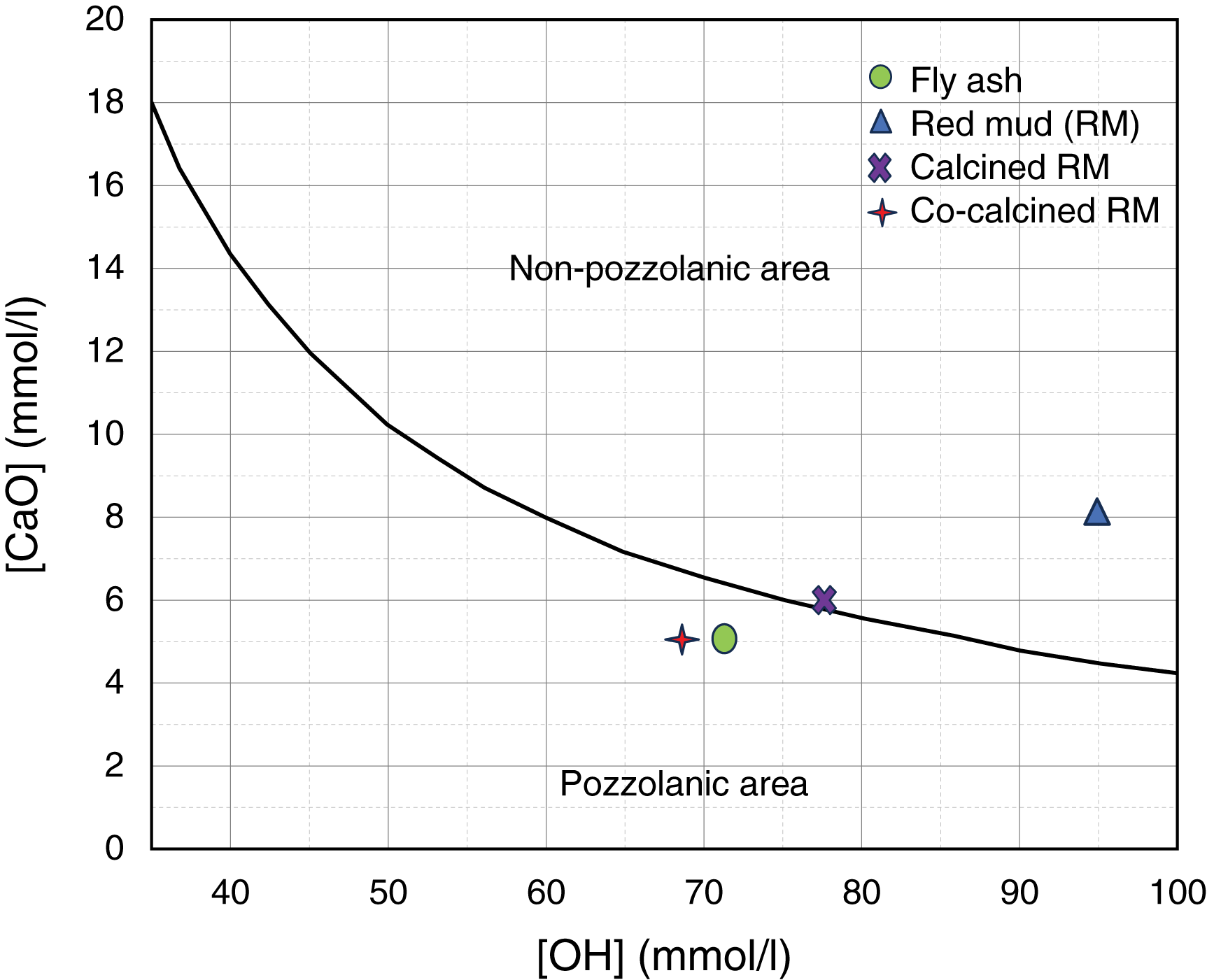
Figure 4 Frattini test graph for pozzolanic assessment of SCMs
Consistency and Setting Time
The workability of mortar was negatively impacted by the addition of calcined and co-calcined RM (Figure 5). Therefore, the consistency of cement paste containing calcined and co-calcined RM was increased by 3.03 and 9.09%, respectively, as compared to RM alone. The lower workability of mortar containing co-calcined RM and clay was observed because of the large surface area and intricate particle morphology of the kaolin clay. Also, the fineness of co-calcined RM was increased with the addition of kaolin clay and the co-calcination process, which resulted in increased consistency in the case of calcined and co-calcined RM [16]. In addition to these, the consistency of fly ash was lowest among all the mixes due to less surface area and spherical morphology as compared to the other three mixes.
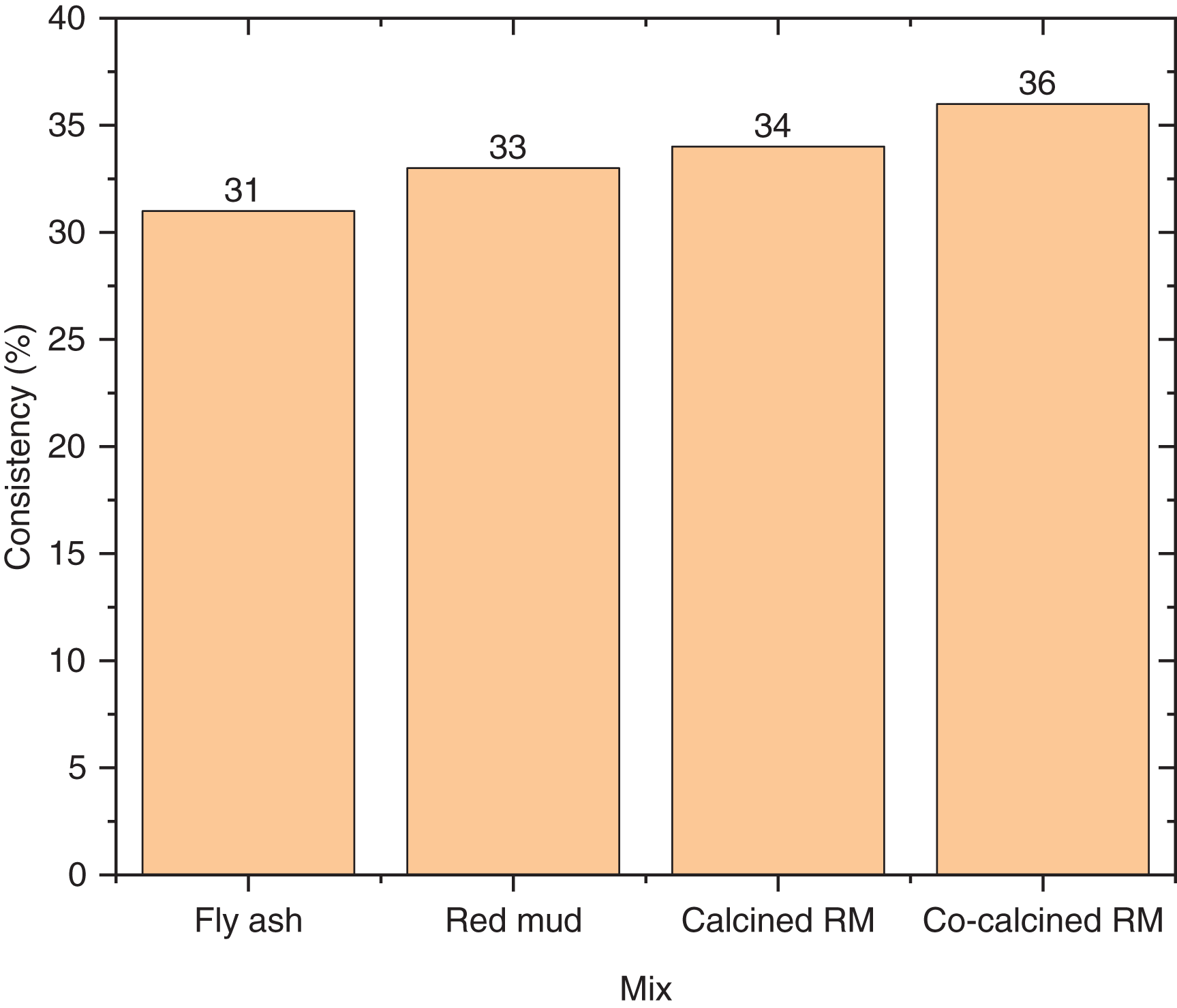
Figure 5 Consistency of cement paste incorporated different SCMs
The setting time of the cement composite containing co-calcined RM and kaolin clay was delayed as compared to inert RM and calcined RM, as shown in Figure 6. The initial and final setting time of co-calcined RM were increased by 62.5%, 18.18%, 44.44% and 13.04%, respectively, as compared to those of raw RM and calcined RM, respectively, which meets the IS 1489 requirement (initial setting time > 30 min and final setting time < 600 min). The setting time of the co-calcined RM mix was delayed due to a reduction in the accelerating effect on the hydration process and the content of soluble sodium during the process of co-calcination. But raw RM contains a high amount of soluble sodium, resulting in a high initial heat peak that is translated into a fast-setting time [16].
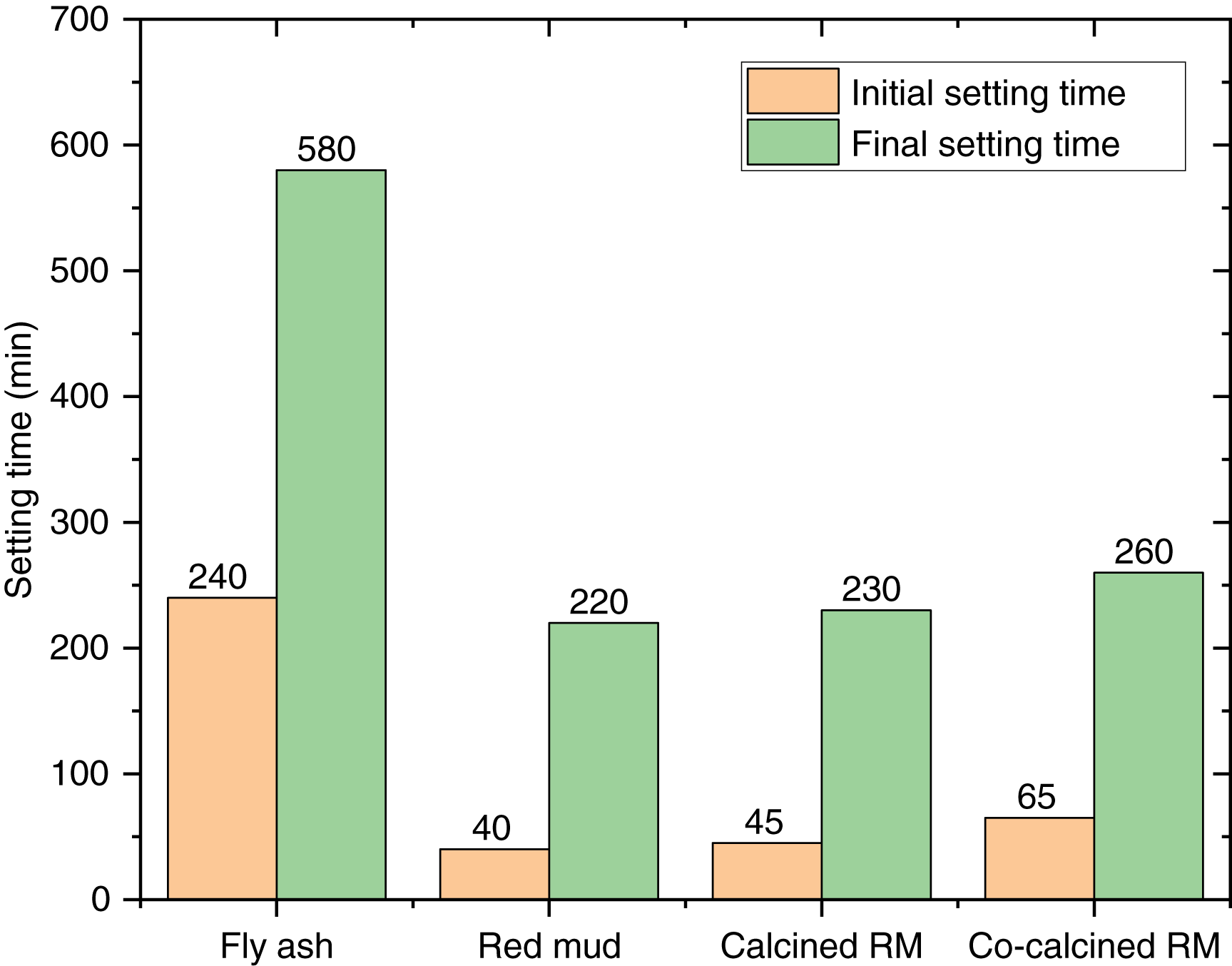
Figure 6 Setting time of cement paste containing different SCM
Compressive Strength
The strength of cement composite containing various SCMs at a 30% replacement level is shown in Figure 7. Three samples were prepared for each mix and two curing durations (7 and 28 days). The average value and standard deviation were calculated using the three sample results, which are presented in Figure 7. The strength of the co-calcined RM showed the highest compressive strength (25.4 ± 1.6 MPa) among all the mixes, which was 19.70, 35.39 and 23.06% higher than fly ash, red mud and calcined red mud at 7 days, respectively. In the case of co-calcined RM added composite cement (30% replacement) achieved 29.2 ± 1.3 MPa at 28 days, which was 36.44% and 25.75% greater than raw RM and calcined RM at 28 days, respectively. This shows that performance of the co-calcined RM mix significantly increases over that of the raw red mud and calcined red mud mix. Also, the strength of the co-calcined RM mix was 19.70% and 5.64% higher than widely used pozzolana fly ash at 7 and 28 days, respectively. Also, 85–90% of the total strength was achieved at 7 days in the case of red mud-induced mixes. This was due to the presence of soluble sodium content, which is responsible for rapid hydration leading to early strength. However, this alkali content reduces the later-age strength. However, in case of co-calcined RM, soluble sodium content was reduced due to the interaction of sodium-bearing phases with kaolinite, leading to the formation of a low-soluble sodium co-calcined product [16]. Another reason might be that co-calcination of red mud can decrease polymerization degree of [SiO4] and [AlO4] on the surface of RM particles, resulting in increased overall reactivity. As the cementitious activity mainly depends on the active content of SiO2 and Al2O3, which was obtained from the co-calcination of RM and kaolin clay [17]. Also, the amount of soluble sodium decreases during the process of co-calcination, resulting in increased long-term strength and durability attributes. This is due to the fine particle size and high reactivity of co-calcined RM. The superior compressive strength of co-calcined RM may also be linked to improved matrix densification by the formation of additional hydration products. The formation of amorphous phases during the co-calcination process increases the pozzolanic reactivity, which leads to an increase in mechanical strength [16].
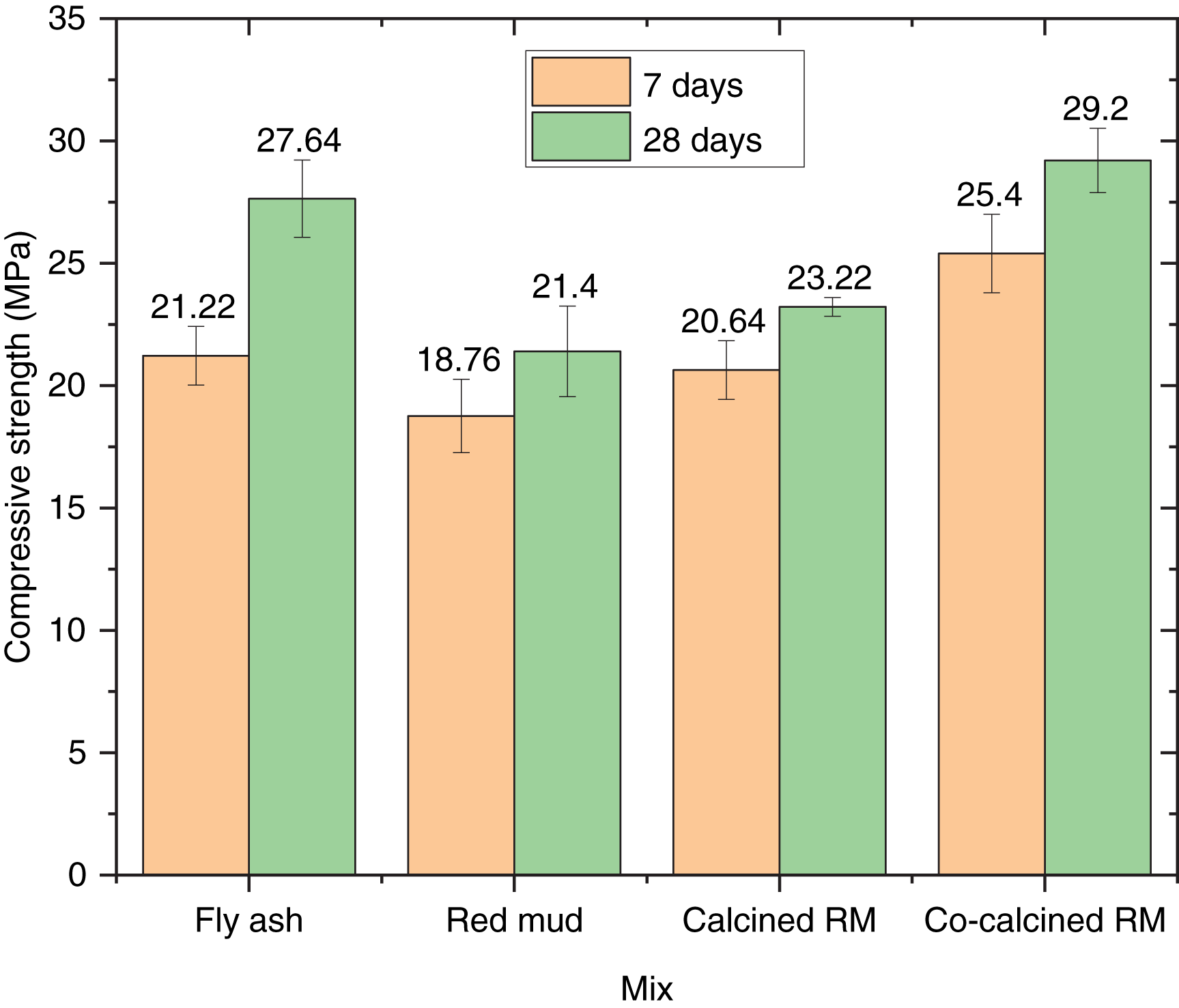
Figure 7 Compressive strength of cement composite incorporating different SCMs after 7 and 28 days
3.4 Microstructural properties
XRD graph of cement composite containing different SCMs at 30% replacement level at 28 days are shown in Figure 8a, b. The peak intensity of Portlandite (Ca(OH)2) at 18.1 and 50.16 (2θ) was highest in raw RM containing mortar, indicating limited lime consumption and therefore weaker pozzolanic activity. The peak intensity of Portlandite was lowest in the case of co-calcined RM. This indicates the highest lime consumption took place in the case of co-calcined RM. This consumption reflects the dissolution of reactive alumina and silica species in the alkaline pore solution, which subsequently form additional hydration products such as C–S–H and C–(A)–S–H gels. These hydration products densify the matrix and contribute to the observed strength improvement, consistent with the pozzolanic mechanism [28, 33]. The presence of ettringite (9.1° 2θ) suggests ongoing hydration of aluminates and sulfates, which supports dimensional stability and contributes to strength gain. Meanwhile, the persistence of hematite (Fe2O3) in red mud-based mixes highlights the inert fraction of iron oxides that remain unreacted even after hydration, acting as crystalline fillers rather than reactive components. The quartz peak at ~26.6° 2θ further confirms the presence of crystalline silica, which remains largely inert compared to amorphous silica phases.
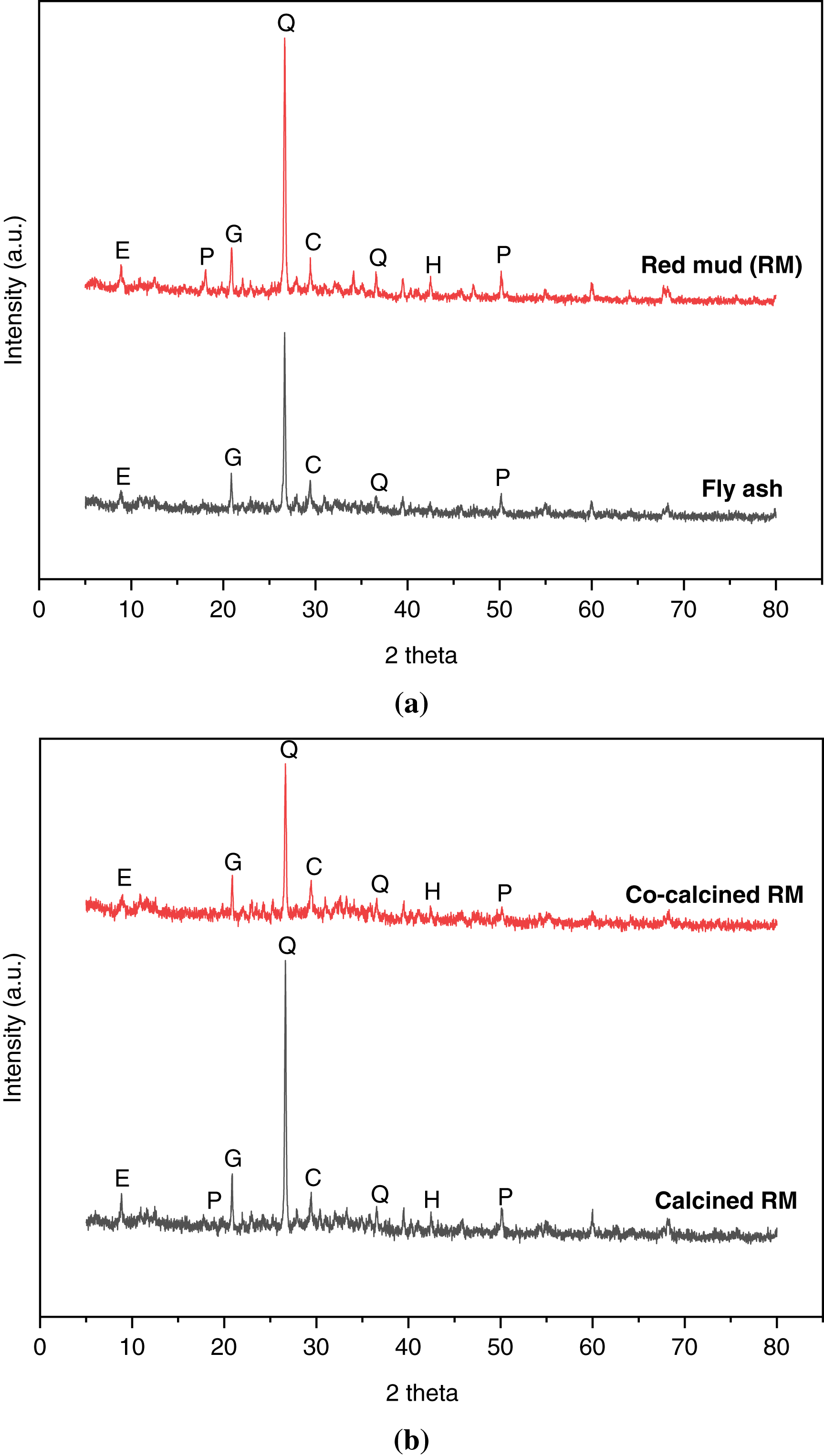
Figure 8 XRD graph of cement mortar containing (a) fly ash and red mud (RM) (b) calcined RM and Co-calcined RM. C–Calcite (CaCO3); E–Ettringite; Q–Quartz (SiO2); P–Portlandite (Ca(OH)2); G–Gypsum; H–Hematite
The FTIR spectra of hydrated mortars incorporating fly ash, red mud, calcined red mud, and co-calcined red mud as shown in Figure 9. The prominent absorption band observed at ~1411 cm−1 corresponds to the asymmetric stretching of carbonate groups (CO32−), which is indicative of partial carbonation of Ca(OH)2 generated during hydration [34], while calcination enhances the stabilization of the carbonate phase. The band observed at 872 cm−1 was associated with the out-of-plane bending vibration of carbonate groups (CO32−) in calcite [34]. The band near ~975 cm−1, mainly assigned to the Si–O stretching vibration, which is commonly linked to the formation of C–S–H gel, which is the major binding phase produced during cement hydration [35]. In addition, this band overlaps with Si-O-T (where T represents Al or Si) stretching vibrations in silicate/aluminosilicate frameworks [34]. This band shows less downward intensity in mortar containing calcined and co-calcined RM mix, reflecting enhanced polymerization of silicate/aluminosilicate networks and increased pozzolanic reactivity. This range of Si–O and Si-O-T stretching is in the range of 1200–950 cm−1, which is typically the strongest band in the silicate and aluminosilicate spectrum [34, 35]. This might be due to the calcination, which disrupts hydroxylated phases and increases the availability of reactive aluminosilicate sites, thereby promoting the formation of C–S–H and C–(A)–S–H gels [30, 32]. The band around 466 cm−1 is mainly attributed to Si–O–Si/Si–O–Al bending vibrations of silicate and aluminosilicate structures. In hydrated mortars, this indicates the presence of hydration product gels and unreacted silicate-rich precursor phases [34]. The low downward peak intensity of thermally activated red mud indicates lower transmittance and stronger infrared absorption, due to the conversion of crystalline to amorphous phases. Collectively, these spectral features demonstrate that co-calcination of red mud significantly improves its pozzolanic activity, leading to the formation of more polymerized aluminosilicate gels, which result in the development of strength.
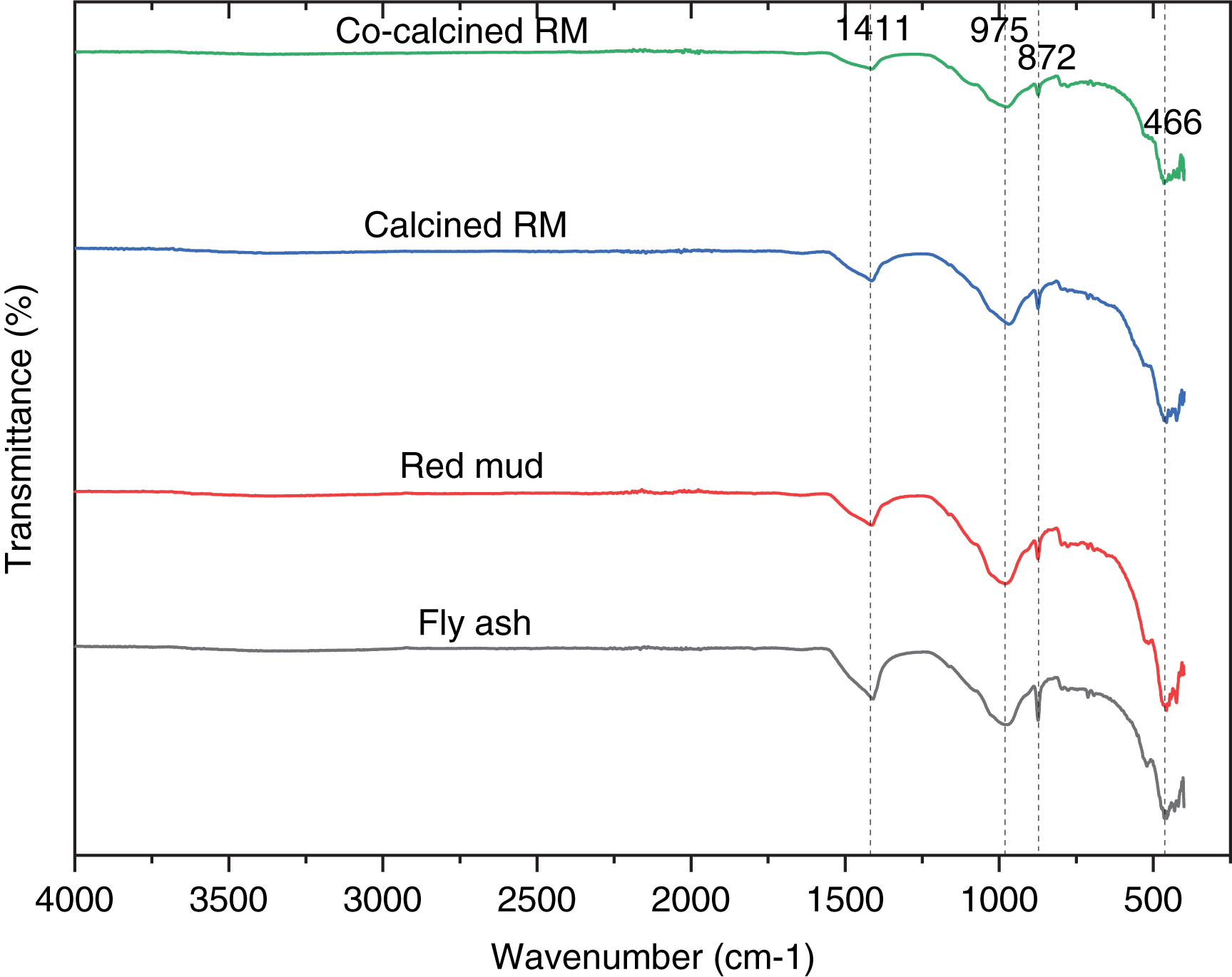
Figure 9 The FTIR spectra of hydrated mortars incorporating fly ash, red mud, calcined red mud, and co-calcined red mud
3.4.3 Surface area and pore size distribution
The BET plots of the hydrated mortar samples confirm the reliability of the surface area measurements, as evidenced by the excellent linear fits (R2 > 0.999 for all samples). The monolayer adsorbed gas quantity (Xm) increases progressively from red mud to co-calcined RM mix, indicating greater adsorption capacity and higher availability of reactive sites, as per the BET plot of hydrated mortar samples shown in Supplementary Section II. The surface area was calculated using the BET equation (given in the Supplementary Section I) [36].
Table 3 shows the BET surface area, pore size and pore volume of hydrated mortar mixes containing 30% fly ash, red mud, calcined red mud and co-calcined red mud each. The raw red mud added mortar samples exhibit a relatively low surface area among all four samples (4.54 m2/g) with a larger average pore diameter (~32 nm), due to the presence of crystalline phases, resulting in limited pozzolanic reactivity. However, in the calcined red mud mortar, the surface area increased to 5.25 m2/g while the average pore diameter decreased to ~28.9 nm. This transformation can be attributed to the dehydroxylation of hydroxylated phases and the breakdown of crystalline phases such as gibbsite and boehmite during thermal treatment, which generates structural disorder and exposes additional reactive sites. The co-calcined red mud added mortar sample demonstrates the highest surface area (6.13 m2/g) with a further reduction in pore diameter (~28.7 nm). This was due to the disruption of crystalline phases and the stabilization of amorphous aluminosilicate structures and reaction of kaolinite content with red mud phases during the thermal treatment, which provides more nucleation sites for additional hydration product [28, 29]. Apart from this, an amorphous metakaolin and DSP phase was also developed in the co-calcined red mud mix during the co-calcination. The total pore volume decreased from 0.0781 cm3/g in red mud to 0.0704 cm3/g in co-calcined RM, suggesting that while co-calcination modifies surface reactivity and pore refinement. However, mortar containing fly ash showed a lower specific surface area (4.87 m2/g) as compared to calcined red mud and co-calcined red mud, which might be due to the smooth, spherical morphology and relatively coarse compared with the thermally activated red-mud particles. In addition, fly ash contributed to the long-term pozzolanic reactivity [37]. Overall, the progressive increase in surface area and reduction in pore diameter from red mud to co-calcined red mud enhances pozzolanic activity, accelerates hydration kinetics, and contributes to the formation of a denser and more durable microstructure.

4 Electric energy consumption and life cycle assessment
4.1 Electric energy consumption
The reduction in total electric energy consumption in composite cement containing co-calcined RM compared to conventional OPC cement was carried out in two segments. First, for energy consumption for the production of 1000 kg of OPC cement, and then second, for 1000 kg composite cement. Assume, a Three-phase AC supply with V = 415 V, I = 40 A, maximum 300 kg of OPC clinker and co-calcined red mud with kaolin clay can be produced in one batch, ramp rate of the muffle furnace is 10°C per min and cosθ (power factor) − 0.9. The power and energy were calculated using Equations (5) and (6), respectively.
(a) Electric energy consumption for the production of 1000 kg OPC cement
Now, considering that only 300 kg of OPC cement can be produced in one batch. Therefore, approximately 3.5 batches are required to produce 1000 kg OPC clinker.
Energy consumption for 1000 kg OPC clinker production = 90.58 × 3.5 = 317.03 kWh
Energy consumption for intergrinding OPC cement clinker in a ball mill for 30 min (0.5 h)
Power = 40 kWh/t
= 40 × 0.5 = 20 kWh
Energy consumption for 1000 kg OPC clinker production = 317.03 + 20 = 337.03 kWh
(b) Electric energy consumption for the co-calcination of red mud and kaolin clay for 300 kg
Power = √3 × V × I × cosθ (For Three-phase AC supply)
= √3 × 415 × 40 × 0.9 (considering cosθ (power factor) − 0.9)
= 25.88 kW
Energy = Power × Time
= 25.88 × 2.33 kWh (2.33 h is required for 800°C for 1 h (1.33 h ramp time + 1 h dwell time))
= 60.30 kWh
Note: Ramping rate of the furnace is 10°C/min
Energy consumption for intergrinding red mud and kaolin clay in a ball mill for 30 min (0.5 h)
Power = 40 kWh/t = 12 kWh per 300 kg
Energy = 12 × 0.5 = 6 kWh
Total electric energy consumption for intergrinding and co-calcination of red mud and kaolin clay for 300 kg = 60.30 + 6 = 66.30 kWh
Energy consumption for 1000 kg composite cement = 700 kg OPC cement (228.9 kWh) + 300 kg co-calcined red mud with kaolin clay (66.30 kWh) = 295.2 kWh
Therefore, a reduction in electric energy consumption was 12.41% as compared to conventional OPC cement.
Life Cycle Assessment (LCA) is an environmental management tool used for the assessment of the potential environmental impacts associated with a product or process. Table 4 shows the input and output for the development of composite cement using co-calcined RM and kaolin clay. Electric energy consumption for the intergrinding and co-calcination of red mud and kaolin clay was considered. Also, assuming the pilot plant for the production of composite cement using co-calcined red mud is near the red mud disposal site. Table 5 shows the comparison of the developed composite cement with conventional OPC cement. Figure 10 shows the comparison of the life cycle assessment of OPC and composite cement using various impact categories. Table 6 shows the Life cycle assessment of OPC and composite cement for 1000 kg production with the help of various impact categories.
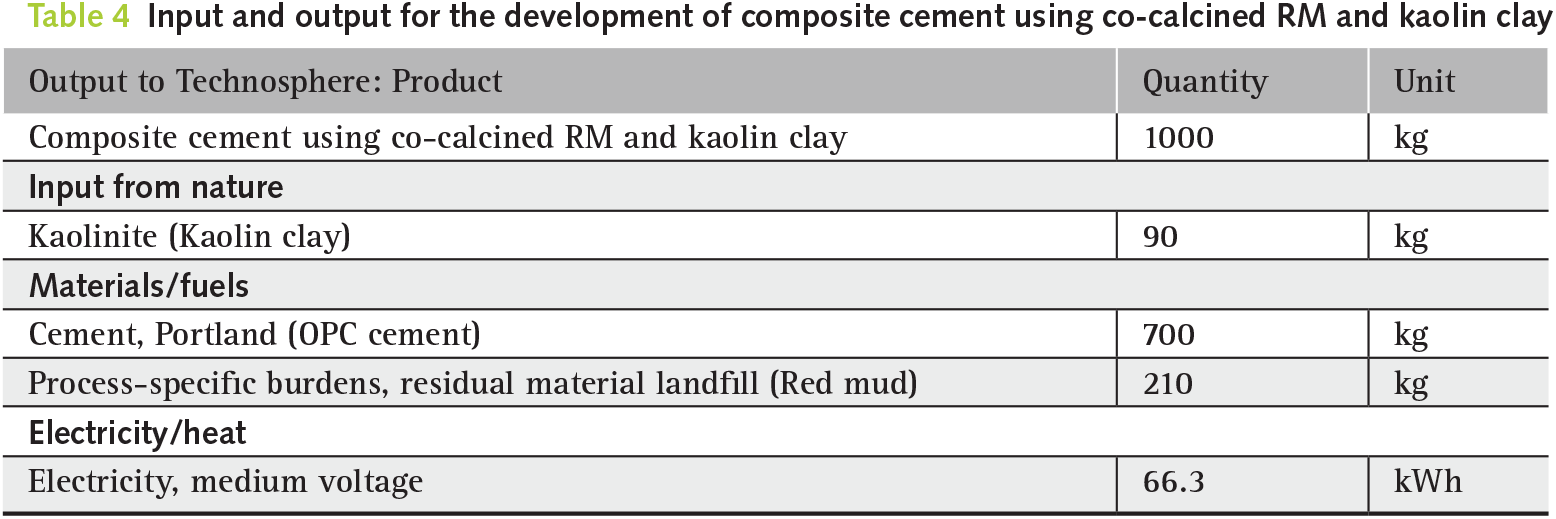

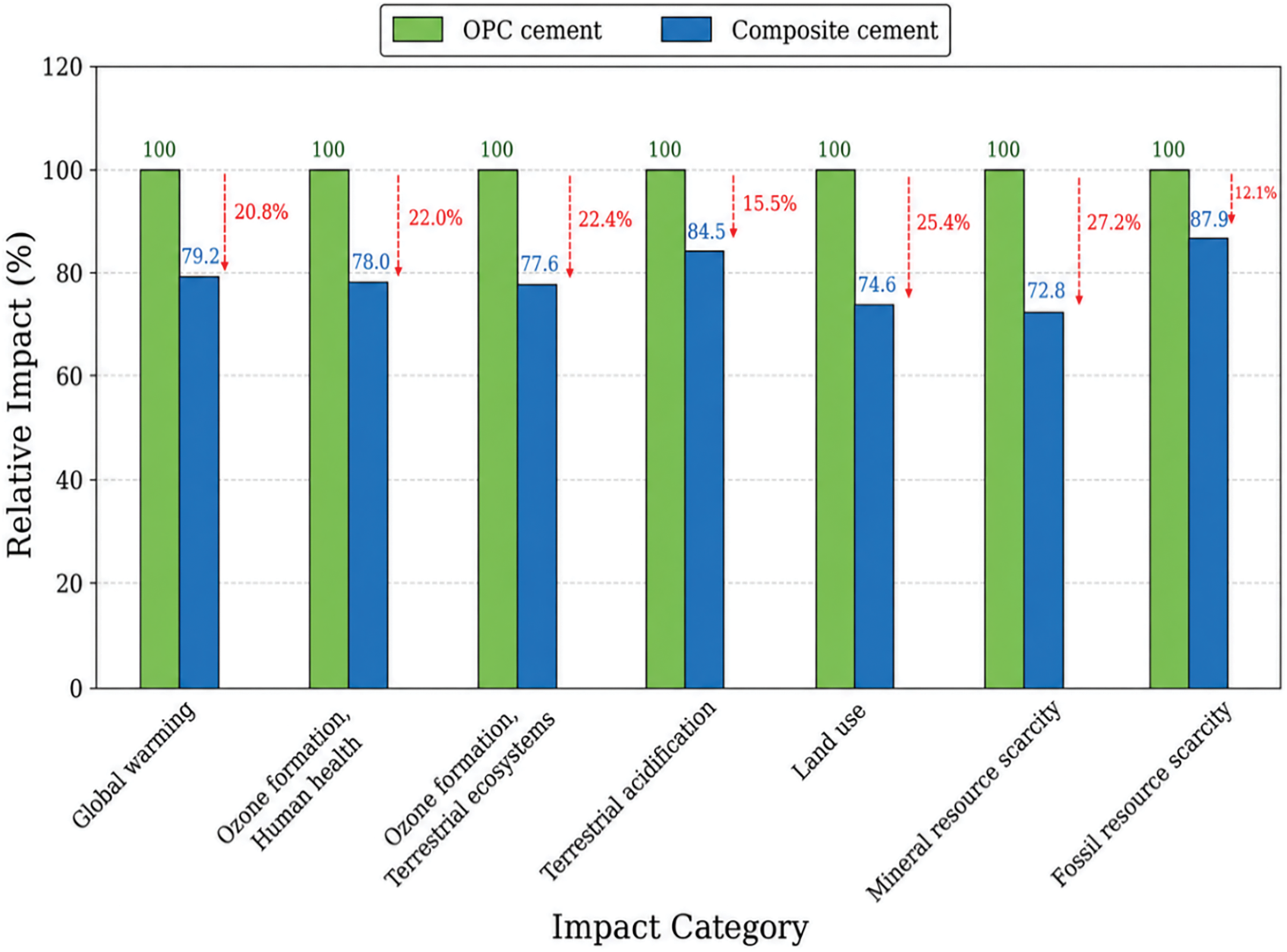
Figure 10 Comparison of Life cycle assessment of OPC and composite cement using various impact categories
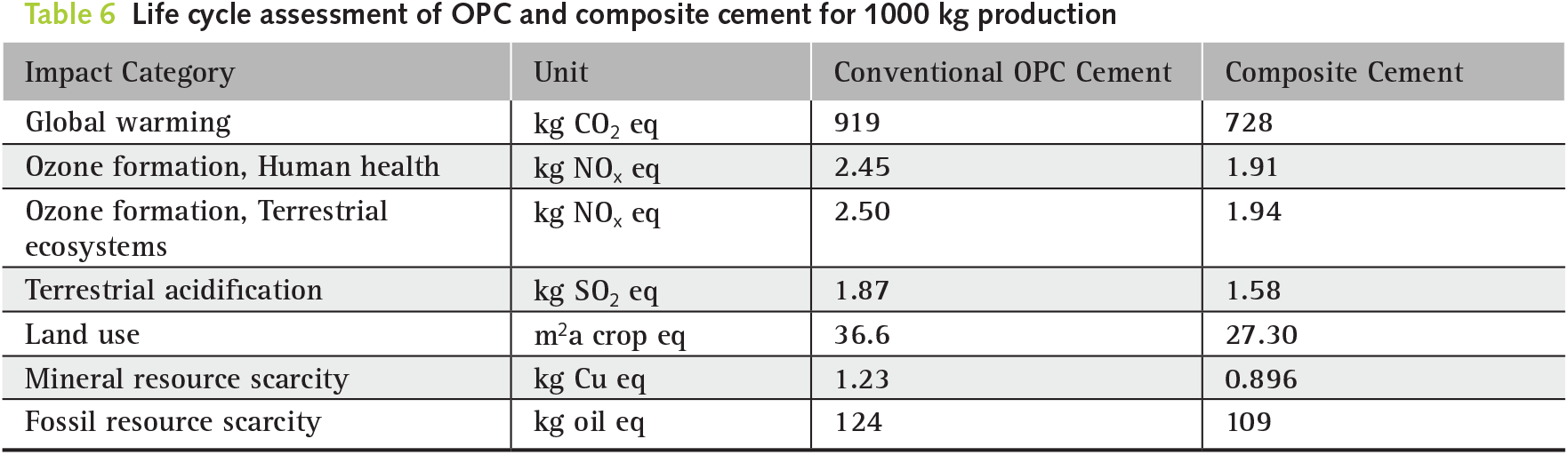
The life cycle assessment results demonstrated that the composite cement developed using co-calcined red mud and kaolin clay exhibits a lower environmental footprint compared to conventional OPC cement across various impact categories. The global warming potential decreased by 20.8%, primarily due to the reduced clinker factor and lower limestone calcination, which directly curtails CO2 emissions. Ozone formation impacts on human health and terrestrial ecosystems decline by 22.0% and 22.4%, respectively, reflecting the decline in NOx emissions from reduced kiln fuel consumption. Terrestrial acidification decreased by 15.5%, linked to curtailed SO2 emissions from minimized fossil fuel utilization. A substantial 25.4% reduction in land use arises from the valorization of industrial by-products, which avoids extensive quarrying of natural raw materials. Mineral resource scarcity decreases by 27.2%, underscoring the circular economy benefits of utilizing red mud and kaolin clay instead of high-grade natural resources. Fossil resource scarcity was reduced by 12.1%, indicating that clinker substitution lowers overall energy demand. Therefore, the incorporation of co-calcined red mud and kaolin clay mix into composite cement not only reduces the environmental footprint but also enhances resource efficiency.
5 Limitations and future perspective
The present investigation concentrated on the pozzolanic reactivity, mechanical performance, and microstructural characterization of co-calcined red mud and kaolin clay blends in comparison with fly ash, raw red mud, and calcined red mud. The studies on calcined kaolin clay as a supplementary cementitious material are a limitation, as this is not in the scope of the presented study. Studies such as SEM-EDS, Mercury Intrusion Porosimetry (MIP) were not included due to instrumental constraints, restricting the visualization of gel morphology, macropore distribution and pore connectivity. The present study did not include the quantitative analysis of XRD analysis of hydrated mortar samples, which limited the identification of the poorly crystalline nature of C–S–H and C–(A)–S–H gels. Similarly, durability assessments (e.g., water absorption, sorptivity, chloride penetration, sulfate resistance, carbonation resistance, and shrinkage) were not comprehensively covered in the present manuscript. Environmental characterization such as heavy metal leaching, sodium stabilization, and toxicity analyses was beyond the scope of this study. Apart from these, the presented work was carried out using source-specific red mud, kaolin clay, fly ash, hydrated lime and local river sand under laboratory conditions. Therefore, the results should not be generalized to all red mud or all composite cement containing raw RM and thermally activated RM without prior characterization.
Future work should incorporate advanced characterization techniques such as SEM-EDS, TEM, and MIP to provide direct evidence of gel morphology, pore structure refinement, and matrix densification. Comprehensive durability testing, including resistance to chloride ingress, sulfate attack, carbonation, and shrinkage, will be essential to validate the long-term applicability of co-calcined red mud composites. Environmental safety assessments, particularly heavy metal immobilization, sodium leaching, and pH stability, should be systematically investigated to strengthen environmental and sustainability claims. These future studies will help translate the present laboratory findings into practical low-carbon composite cement, structural and non-structural concrete, pigment, construction and building products such as paver blocks, tiles, and bricks.
This study investigated the potential of co-calcined red mud with kaolin clay as a supplementary cementitious material using pozzolanic reactivity, physico-mechanical, and microstructural properties, and the results were compared with those of fly ash, red mud (RM), and calcined red mud. Considering the examination of the above findings, the following conclusion can be drawn.
The pozzolanic reactivity of the co-calcined RM mix was improved with an increase in temperature, ranging from 600–800°C, due to the transformation of kaolinite and desilication phase (DSP), such as cancrinite, to a reactive amorphous phase. As per pozzolanic reactivity tests, the pozzolanic property was highest in the co-calcined RM mix, indicating the highest lime consumption takes place, resulting in the formation of additional hydration products. The workability of mortar was negatively impacted by the addition of the co-calcined RM mix. This is due to the addition of kaolin clay and the co-calcination process, which increased the fineness of the resultant mix, leading to increased consistency. The setting time of the composite cement containing co-calcined RM and kaolin clay was delayed as compared to inert RM and calcined RM due to the reduction of sodium content during the process of co-calcination. The strength of co-calcined RM was highest (29.20 MPa), which was 36.44% and 25.75% greater than raw RM and calcined RM at 28 days, respectively.
According to XRD analysis, the intensity peak of Ca(OH)2 in the co-calcined RM containing mix was lower than other three mix, reflecting higher consumption of lime and the formation of additional hydration products such as C-S-H and C-(A)-S-H. The band near ~975 cm−1, attributed to silicate and aluminosilicate frameworks, becomes more intense in mortar containing co-calcined RM systems, reflecting enhanced polymerization of silicate networks. The surface area of the co-calcined RM mix increased to 6.13 m2/g with a further reduction in pore diameter (~28.7 nm). This was due to the disruption of crystalline phases and stabilization of amorphous silicate and aluminosilicate structures during the co-calcination process, which provide more nucleation sites for additional hydration products. The total electric energy consumption for the production of 1 tonne (1000 kg) of composite cement was reduced by 12.41% as compared to conventional OPC cement. As per LCA analysis, the global warming potential (kg CO2 eq) was decreased by 20.8% as compared to OPC cement. Also, various impact categories, which are responsible for the environmental footprint and natural resources utilization were also decreased substantially.
This study investigated the effectiveness of co-calcined red mud and kaolin clay as a potential substitute for conventional cementitious materials. The 800°C co-calcination temperature produced a product with higher pozzolanic reactivity, physico-mechanical properties and environmental performance than other SCMs added mix. This new method provides a promising solution to industrial waste management and sustainable construction challenges. As the construction industry continues to look for sustainable options, the co-calcination of red mud and kaolin clay is a viable option for future development and application. This study not only aims at the development of high-performance cementitious material but also looks into serious environmental issues related to the disposal of industrial by-products such as red mud. Through the application of calcination methods, pozzolanic activity of red mud was improved when blended with kaolin clay. This development has significant applications in the construction industry, providing a route towards lower carbon emissions and environmentally friendly cement manufacturing methods.
Acknowledgement
The authors are thankful to the CSIR-Central Building Research Institute, Roorkee (Uttarakhand) for granting permission to publish this research work. Mr. Nikhil Sanjay Nighot acknowledges Council for Scientific and Industrial Research (CSIR) for providing the fellowship under JRF/SRF Scheme and AcSIR (Ghaziabad, India) for the opportunity to carry out this research.
Funding Statement
The authors are grateful to the ‘The Ministry of Environment, Forest and Climate Change, Government of India’ for the sustained financial support to the project (File Number: 19/45/2018/RE; Project No.: GAP0090).
Author Contributions
Nikhil Sanjay Nighot: conceptualization, data curation, validation, visualization, methodology, formal analysis, writing—original draft, writing—review & editing. Rajesh Kumar: conceptualization, funding acquisition, project administration, methodology, supervision, resources, writing—original draft, writing—review & editing. Srinivasarao Naik B: supervision, resources, writing—review & editing. All authors reviewed and approved the final version of the manuscript.
Availability of Data and Materials
Data will be made available on request.
Ethics Approval
Not applicable.
Conflicts of Interest
The authors declare no conflicts of interest.
Supplementary Materials
The supplementary material is available online at https://www.techscience.com/doi/10.32604/zkg.2026.081356/s1.