

Cementitious Materials Sector’s Decarbonisation Cannot Rely on Isolated Technologies Alone
Dear Readers,
The global cement, lime and gypsum sector is pressured by net-zero carbon targets, raw material supply and surging demand for sustainable construction materials. This issue brings together a full spectrum of industrial breakthroughs, cross-corporate partnerships and in-depth investigations that map out the industry’s multi-pronged decarbonisation pathways.
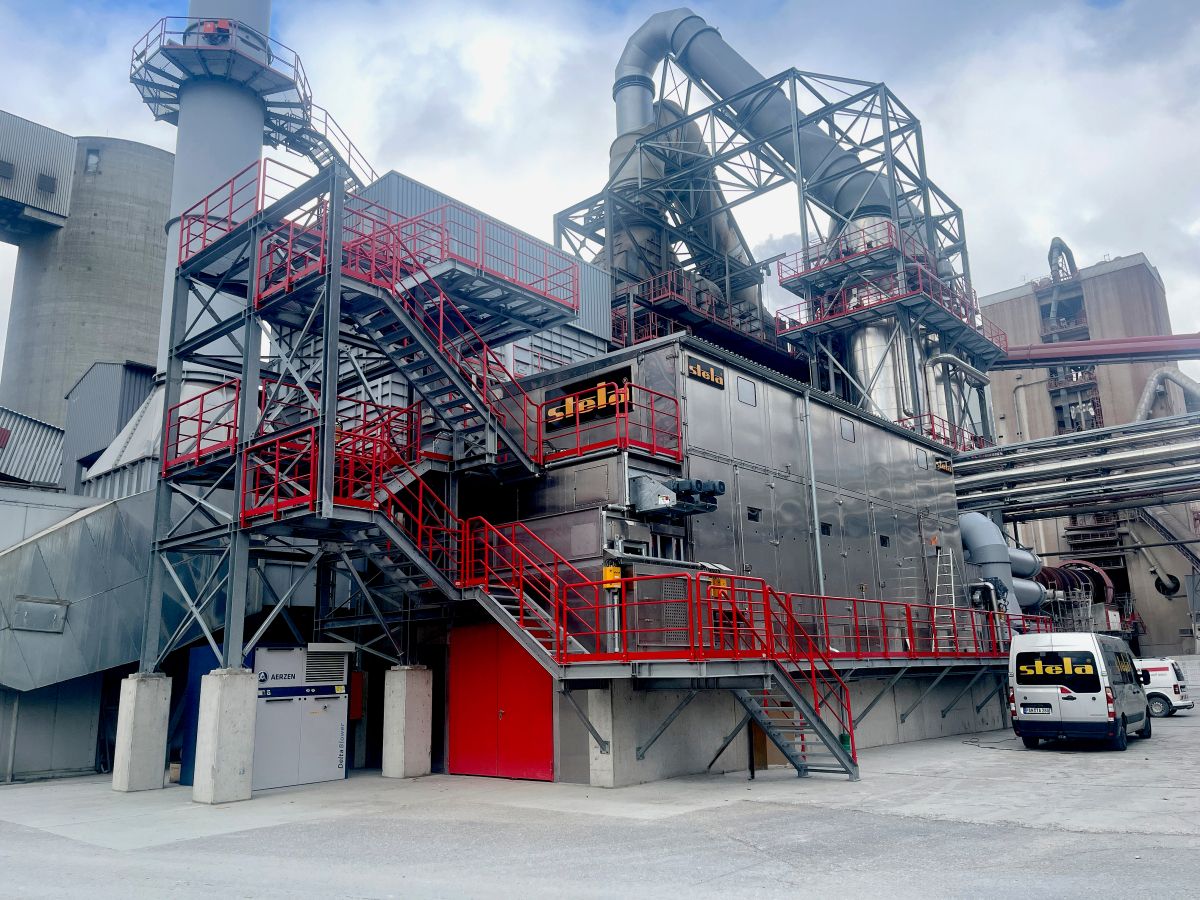
On the industrial front, leading global producers are accelerating low-carbon clinker manufacturing rollouts. Heidelberg Materials Benelux has launched calcined clay production, while Magsort replaces limestone with steel slags for clinker making. Cross-regional strategic cooperation also takes centre stage: SaltX deepens its carbon-reduction collaboration with Holcim; Canada’s CURA partners with Titan to reimagine clinker synthesis; PPC Zimbabwe teams up with Sinoma for capacity expansion to address Africa’s infrastructure needs. Digital transformation gains traction via the ABB-alcemy collaboration, which integrates AI into real-time cement quality control to stabilise production and lower resource waste. Everox showcased circular concrete technology at the WCA Annual Conference, signalling rising commercial readiness for waste-recycled building materials. Beyond cement, the lime industry voices an urgent call for streamlined permitting of domestic raw material extraction, a bottleneck hindering local decarbonisation efforts, alongside technical research on flue gas fluctuation control for lime carbon capture.
The academic section delivers fundamental research covering low-carbon binders and high-performance concrete. A short review clearly stated the chemical fundamentals for geopolymers and chemico-activated related cements from lab theory to scalable field practice, laying a framework for alternative binder adoption. Regional analysis unpacks unique decarbonisation hurdles and local innovation potentials across African cement and concrete markets. Original studies explore diverse advanced systems: lithium slag cement blended with C-S-H–PCE nanocomposites, magnesium ammonium phosphate cement with enhanced high-temperature resistance, nano-SiO2 modified POM fibre reinforced cement composites, silica sol activated slag-clay binders, and ternary blends combining silica fume and nanosilica for ultra-high-strength concrete. Two sustainability-focused papers stand out: hydrogen-fuelled clinker calcination paired with alternative fuels for emission abatement, plus a life cycle assessment coupled with RSM modelling for self-compacting concrete.
Decarbonisation cannot rely on isolated technologies alone. It demands synergy between mineral substitution, digital process optimisation, circular waste valorisation, novel alternative binders and cross-border industrial collaboration. I hope this collection equips plant operators, material researchers and technology suppliers with actionable insights to advance a climate-neutral, resource-efficient construction materials future.


Zuhua Zhang
Editor-in-chief
 |
Copyright © 2026 The Author. Published by Tech Science Press. This work is licensed under a Creative Commons Attribution 4.0 International License, which permits unrestricted use, distribution, and reproduction in any medium, provided the original work is properly cited. |