

Etex and Heidelberg Materials Benelux unveil breakthrough fibre cement recycling to produce low-carbon cement
Etex, a global leader in lightweight construction materials, and Heidelberg Materials, one of the world’s largest integrated manufacturers of building materials and solutions, with leading market positions in cement, aggregates, and concrete in Belgium and the Netherlands, participate in the joint project CEMLOOP XL – an industrial-scale innovative initiative co-funded by the European Union LIFE Programme.
The project aims to revolutionise fibre cement recycling by enabling a fully closed-loop solution, making fibre cement a complete circular product, using advanced Carbon Capture Utilisation and Storage (CCUS) technology. This breakthrough innovation reduces CO₂ emissions in cement production by at least 20% and cuts energy consumption in the process by 15%.
For the first time, the combined expertise of two industry leaders enables a fully circular process that transforms fibre cement waste into high-quality secondary raw material, which is then used to produce circular, low-carbon cement that will be reused to produce new fibre cement products. Taking part in this common project marks a major step forward in the transition to a more sustainable built environment.
Closing the loop: two complementary processes
This is achieved through two innovative processes: one developed by Etex, in collaboration with the Jacobs Group, and the CCLIX process led by Heidelberg Materials.
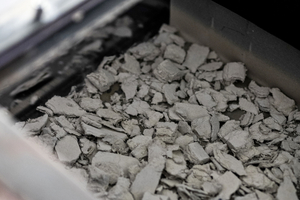
Etex, in collaboration with the Jacobs Group, will implement a new process that transforms fibre cement waste from Etex’s fibre cement production lines and the broader construction sector into Recycled Fibre Cement Paste (RFCP). This avoids landfilling and downcycling, reintegrating valuable material into the construction value chain. A new recycling facility in Hemiksem, Belgium (Antwerp) is currently under construction, with completion expected by mid-2026.
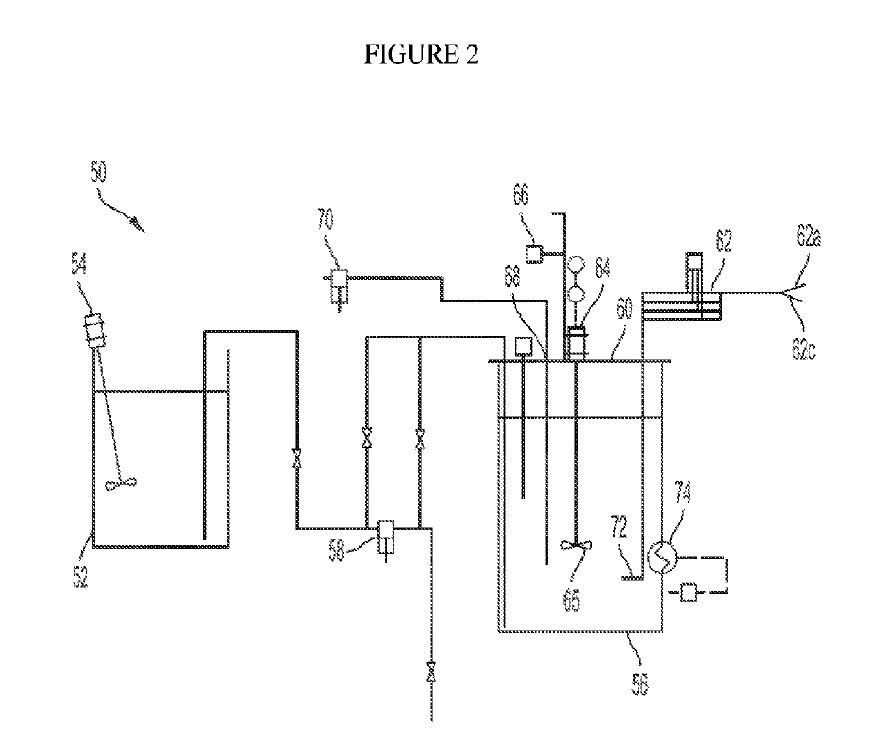
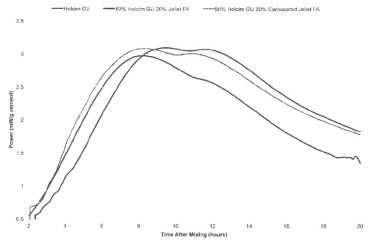
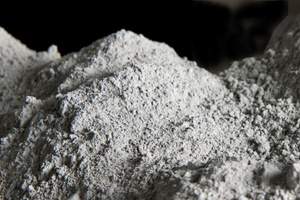
At its Lixhe cement plant in Belgium (Liège), Heidelberg Materials is developing CCLIX, an innovative process that upgrades Recycled Fibre Cement Paste (RFCP) through enforced carbonation. By treating RFCP with CO₂ captured from kiln exhaust gases, the material is transformed into carbonated RFCP (cRFCP), regaining cementitious properties and becoming a high-quality secondary raw material that can partially replace clinker in low-carbon cement production. To scale up this breakthrough, a dedicated carbonation reactor will be commissioned at Lixhe by the end of 2028.
The CEMLOOP XL project delivers measurable environmental benefits
Prevents 60000 t/a of fibre cement waste
saves 100 000 t/a of raw limestone
reduces CO₂ emissions in cement production by at least 20%
cuts energy use in cement manufacturing by 15%
enables new fibre cement products with more than 20% recycled content and a 15% lower carbon footprint
captures or avoids about 900 kg of CO2 for each ton of RFCP
In the Carbon Capture Utilisation and Storage world, this is a unique combination of Utilisation and Storage in one integrated step: the captured CO2 is part of the new product yet chemically bound in such a way that it will not be able to return to the atmosphere during or even after its lifetime. Therefore, also according to EU regulation, it acts as a permanent CO2 sink.
Serge Montagne, Technical Director Cement Operations, Heidelberg Materials Benelux, said: “Pioneer on the path to carbon neutrality, Heidelberg Materials has long been committed to reducing its CO₂ emissions. One of its key levers is lowering the clinker content in its cement. To accelerate the shift toward more sustainable and environmentally friendly solutions, the company is actively working to diversify its sources of secondary cementitious materials. CEMLOOP XL is a significant step forward toward new generations of cements, making the construction materials more sustainable and responsible.”
Eric Bertrand, Chief Innovation Officer at Etex, concluded: “At Etex, circularity is a part of how we innovate. By 2030, we aim for over 20% of our inputs to come from circular sources and aim to send zero waste to landfill. Fibre cement plays a central role in this transformation. For the first time, it will follow a fully circular journey. This is only possible thanks to strong partnerships such as Heidelberg Materials, creating an ecosystem where innovation and circularity go hand in hand.”