

Influence of hemp waste incorporation on the mechanical and thermal properties of cementitious systems
Abbreviations
| The following abbreviations are used in this manuscript | |
| H6 | 6 mm in length hemp fiber |
| HG | Ground Hemp Fiber |
| UPV | Ultrasonic Pulse Velocity |
| HP | Powder passing through a 2 mm sieve Hemp Fiber |
| UPV | Ultrasonic Pulse Velocity |
| C | Control |
| MPa | MegaPascal |
| m | Meter |
| s | Second |
The widespread use of non-renewable raw materials in the construction industry, together with high energy consumption and associated environmental impacts, is increasingly driving interest in sustainable building materials [1, 2]. Growing awareness of global climate change and sustainability goals has further emphasized the importance of energy-efficient construction materials [3, 4]. In this context, cement-based composites with low thermal conductivity make a significant contribution to reducing energy consumption and the carbon footprint of buildings [5, 6]. Current studies indicate that the thermal properties of concrete are directly related to its material composition and microstructural characteristics [7, 8].
The incorporation of natural and industrial waste materials with low thermal conductivity into cementitious systems has attracted increasing attention as an effective approach to improving thermal insulation performance [9]. In this regard, fiber reinforcement has emerged as a promising strategy in cement-based systems. Synthetic fibers have been widely used in the past due to their high electrical and thermal conductivity [8–10], and their performance has been reported in various modified mortar systems, such as polypropylene fiber-reinforced mortars containing colemanite waste [11, 12]. Jhatial et al. [13] demonstrated that polypropylene fiber reinforcement significantly reduces the thermal conductivity of concrete. However, considering the significant environmental drawbacks of these fibers, such as high energy consumption and carbon emissions during their production, the importance of natural alternatives is steadily increasing [12–14]. Therefore, the use of natural fibers in cement matrix composites contributes to the growing interest in research on sustainable construction materials.
Natural fibers are increasingly replacing synthetic fibers due to their environmentally friendly and sustainable characteristics [15]. Daza-Badilla et al. [16] demonstrated that natural fibers such as hemp effectively reduce thermal conductivity and improve energy efficiency. Hemp fiber is known as one of the strongest and stiffest natural fibers used in the cement industry. The plant’s structure, which contains approximately 60–70% cellulose, together with its biodegradability, rapid growth cycle, and economic feasibility, makes it particularly attractive for sustainable material research [17, 18].
Moreover, hemp fibers offer significant advantages in terms of energy savings and environmental sustainability in cement-based systems [15–21]. Comparative studies conducted by Badagliacco et al. [14] reported that hemp fibers exhibit 20–30% better thermal insulation performance than conventional synthetic fibers, highlighting their potential for construction applications [22, 23].
The thermal performance of cement-based materials is primarily governed by moisture content, porosity, and the properties of the constituent materials [24]. Due to their naturally low thermal conductivity resulting from their microstructural voids, hemp fibers enhance energy efficiency [25, 26]. This porous structure also contributes to acoustic comfort [22, 23, 27, 28]. Another distinctive feature of hemp fibers is their capacity to sequester atmospheric CO2. These properties give them an important position among sustainable construction materials [29, 30].
The mechanical effects of hemp fiber reinforcement have been extensively investigated in the literature [31–40]. Similarly, the influence of binder composition on the mechanical behavior of fiber-reinforced systems has also been demonstrated in various studies [41]. Çomak et al. [27] reported a 15–25% increase in tensile strength at an optimum fiber content of 2–3%. Filazi et al. [40] stated that the addition of hemp fibers both improves mechanical performance and provides a cost advantage.
However, Merta and Tschegg [28] emphasized that hemp fibers exhibit hydrophilic behavior due to their high cellulose content (60–70%), which may adversely affect the fiber–matrix interfacial bond. Surface modification methods aimed at overcoming this limitation have been discussed in detail by Réquilé et al. [42]. In addition, alternative biological approaches, such as bacterial treatment, have been shown to have the potential to improve the fiber–matrix interface and the mechanical performance of the composites [43].
From a sustainability perspective, the utilization of hemp waste is fully consistent with the principles of the circular economy [37, 38]. Life cycle assessment studies conducted by Al-Kheetan [18] have demonstrated that the use of hemp in the construction sector can reduce the carbon footprint by up to 40%. Schumacher et al. [36] also emphasized that the incorporation of industrial waste into construction materials is of critical importance for environmental sustainability.
A review of the existing literature indicates that studies focusing on the thermal properties of hemp fiber-reinforced cementitious systems are still limited. To address this research gap, the present study investigates the use of (waste) hemp fiber as an aggregate replacement in mortar mixtures. Within the scope of the study, a constant fiber content of 0.5% by volume was adopted, and the effects of different fiber sizes (6 mm fiber, ground, and powder forms) on the flow diameter, water absorption capacity, ultrasonic pulse velocity, compressive strength, and thermal conductivity of the mortars were examined. The findings provide valuable insights into the applicability of (waste) hemp fibers as a sustainable construction material, and the experimental results are comparatively evaluated with the existing literature.
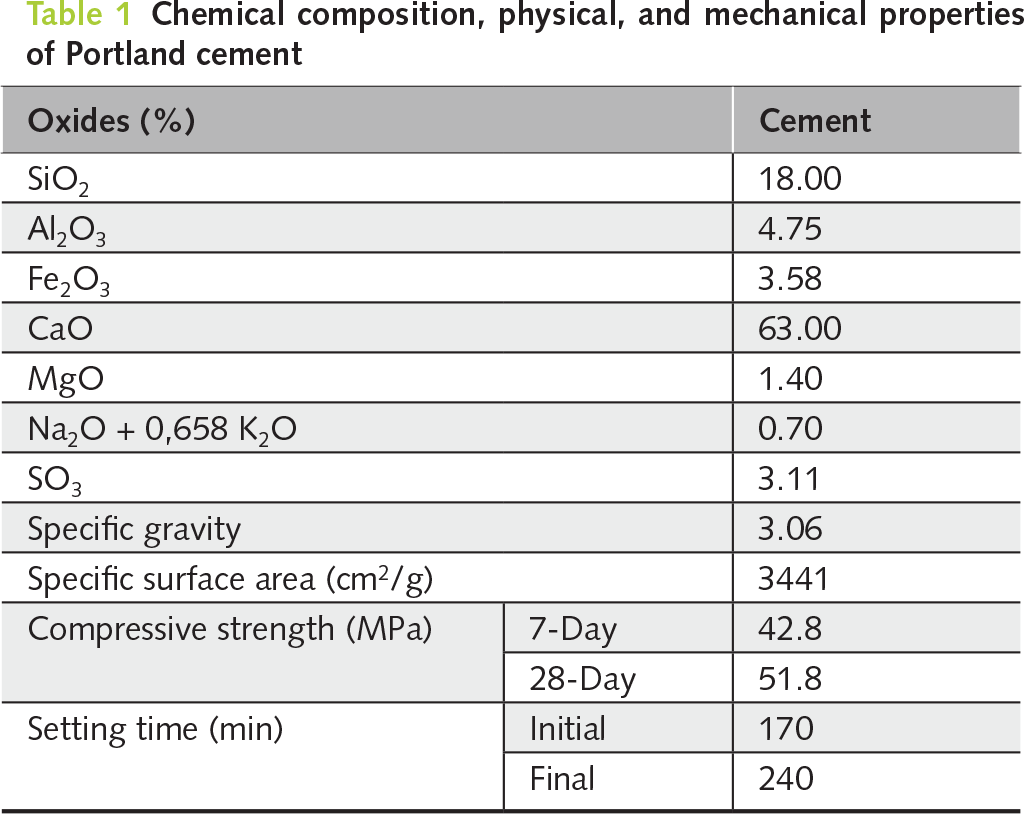
CEM I 42.5R Portland cement was used in this study. The chemical composition and physical and mechanical properties of the cement provided by the manufacturer are presented in Table 1.
The river sand aggregate with a particle size range of 0–4 mm, possessing a specific gravity of 2.55 and water absorption capacity of 2.34% measured according to TS EN 1097-6 [44] Standard was used. The gradation curve of the aggregate used is shown in Figure 1. In mortar mixtures, a single type of high-performance water-reducing agent based on polycarboxylate ether was used to achieve a target flow value of 180 ± 10 mm. Some properties of the additive provided by the manufacturer are summarized in Table 2.
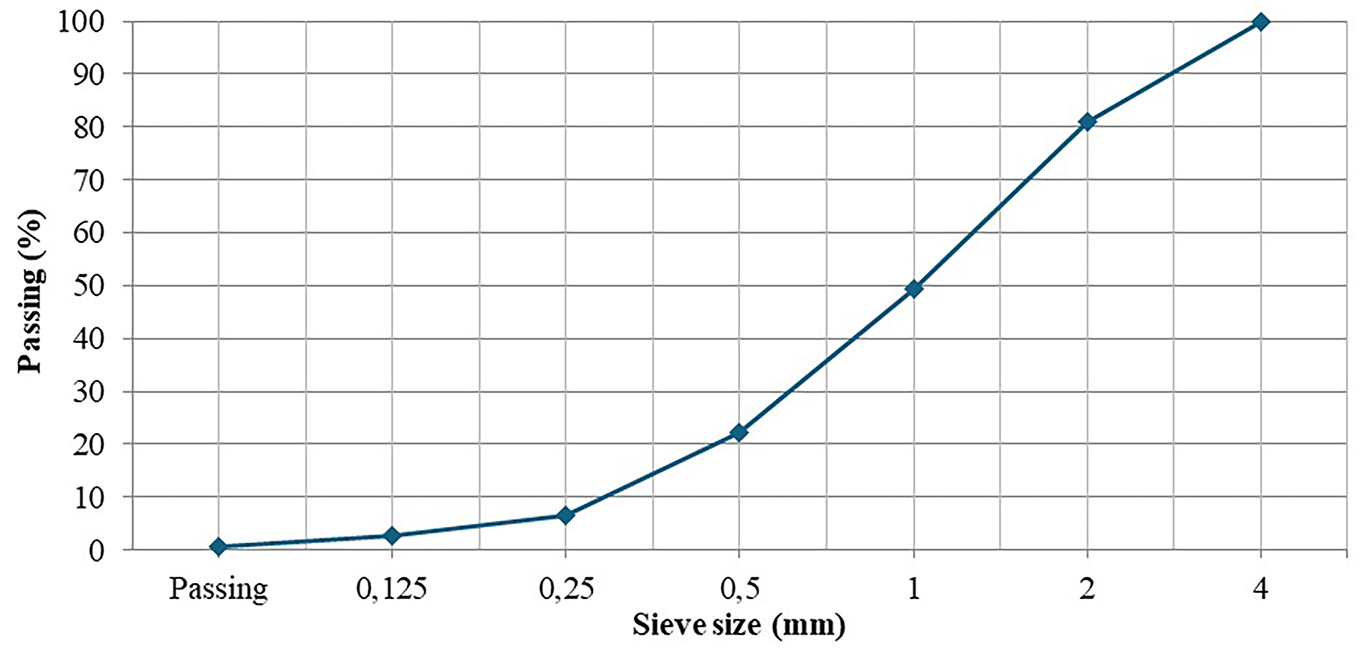
Figure 1 Aggregate gradation curve used

Hemp fibers were investigated in three different forms: raw fibers cut to 6 mm length (designated H6), ground fibers (HG) and powder passing through a 2 mm sieve (HP). All fiber variations were incorporated into mortar mixtures as a 0.5% volumetric replacement of aggregate. The morphological variations of the fibers are depicted in Figure 2, while Table 3 outlines their fundamental physical and mechanical properties. Table 4 presents some characteristics of the blade-type, high-speed laboratory grinder.
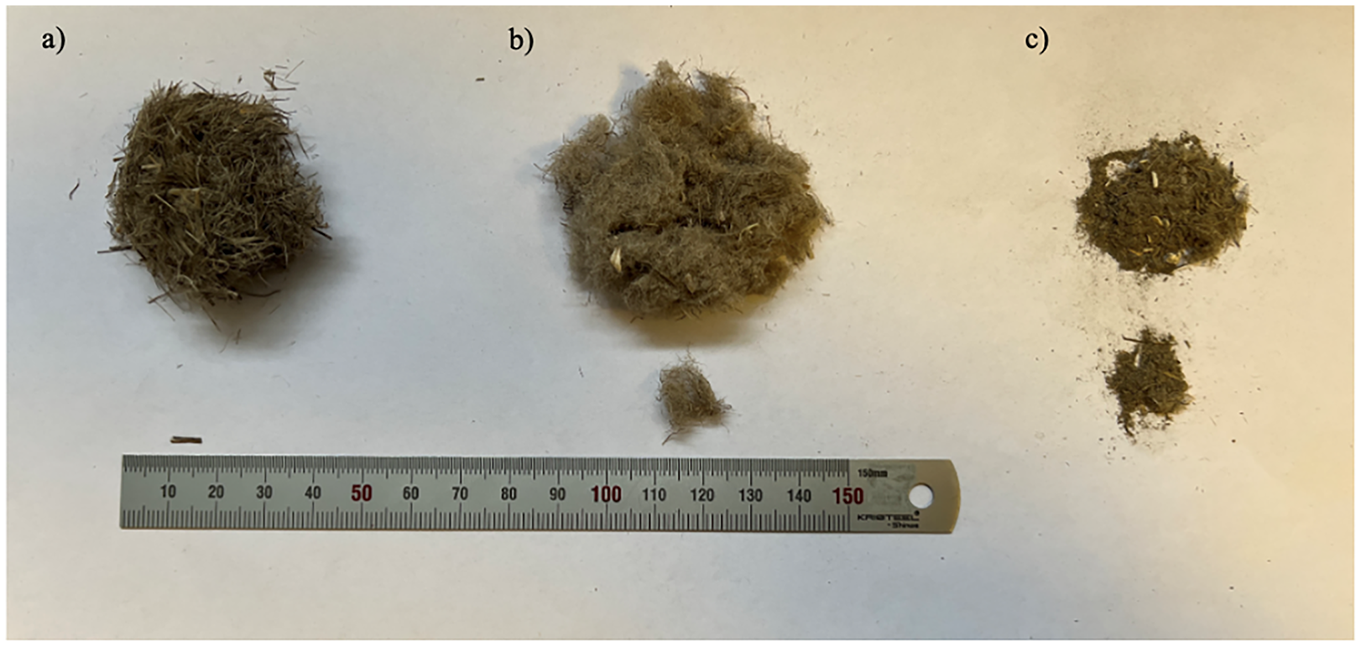
Figure 2 Hemp with different size ranges used in mixtures (a) 6 mm long hemp fiber, (b) Ground hemp fiber, (c) Powder form (65% passing 1 mm, 45% passing 0.5 mm, 30% passing 0.25 mm sieve)


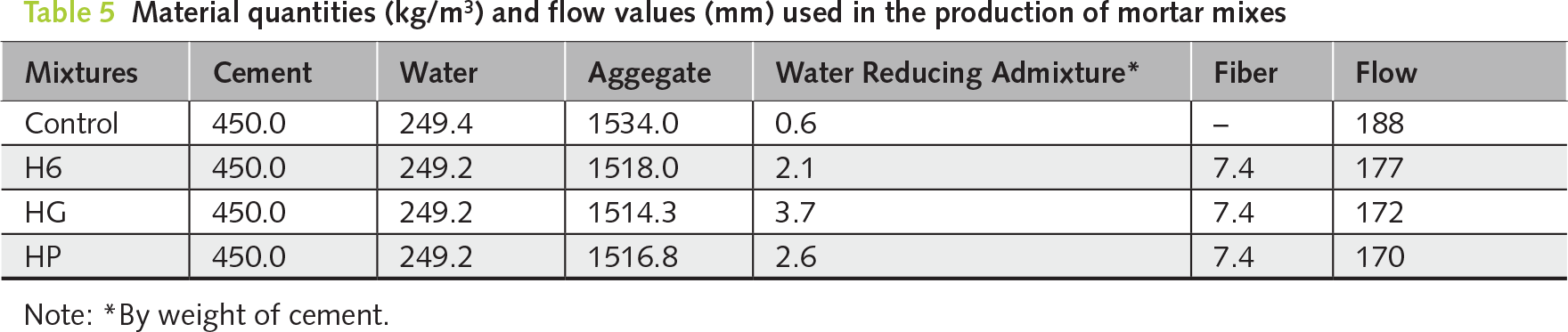
The mixture design maintained a constant water/cement ratio of 0.52, targeting a flow value of 180 ± 10 mm. The dosage of the water-reducing admixture was individually adjusted for each mixture to achieve the desired workability. All mixture proportions were calculated for a volume of 1 m3. The quantities of constituent materials used in mortar production are detailed in Table 5.
The experimental program comprised four distinct mortar series, including a control mixture without hemp fibers. The H6 series incorporated 6 mm length hemp fibers, while the HG series utilized fibers processed through a laboratory grinder. The HP series employed hemp fibers in powder form, sieved through 1 mm, 0.50 mm, and 0.25 mm screens (approximately 850 μm). Figure 3 illustrates the sequential preparation methodology for the fiber forms, encompassing cutting, grinding, and sifting operations.
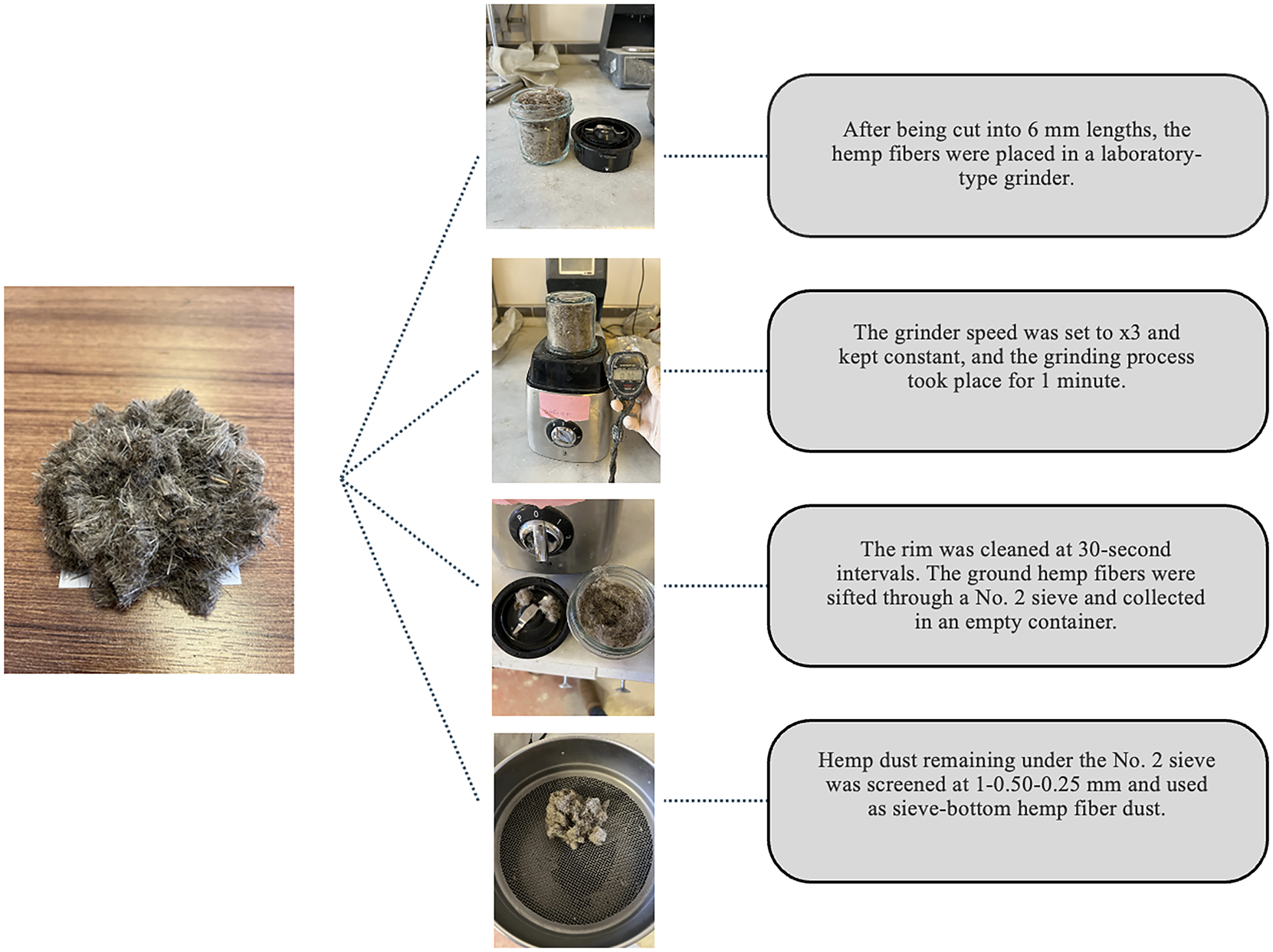
Figure 3 Preparation process for hemp fiber forms
The flow performance of fresh mortar mixtures was determined according to ASTM C1437 [45]. Compressive and flexural strength tests were conducted in accordance with EN 196-1 [46]. Thermal conductivity measurements were performed according to both ASTM C518 [47] and ISO 8301 [48] standards. Water absorption capacity was evaluated using the procedure outlined in ASTM C642 [49]. Ultrasonic pulse velocity (UPV) measurements were carried out in compliance with ASTM C597 [50].
Thermal conductivity characterization employed the Guarded Hot Plate method [51]. Specimens with dimensions of 40 × 40 × 4.5 cm were cured in lime-saturated water for 28 days prior to testing. Following curing, samples were oven-dried at 105°C for 24 h and subsequently placed in the testing apparatus (Figure 4) between plates maintained at 10°C (cold plate) and 30°C (hot plate). Testing proceeded under constant heat flux conditions at an average temperature of 20°C. The thermal conductivity coefficient (TCC) was calculated from heat flux (q) and temperature gradient (ΔT) measurements through application of Fourier’s law [38]. Each measurement incorporated a 45-min stabilization period, consistent with methodologies established by [52, 53].
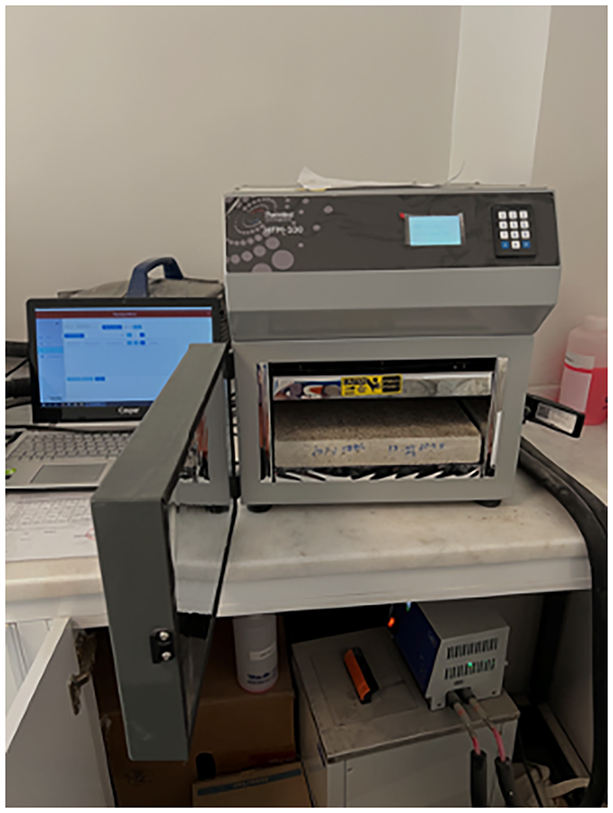
Figure 4 Thermal conductivity measurement apparatus
Figure 5 illustrates the dosage of water-reducing admixture required to achieve the target flow value for each mixture. The incorporation of hemp fiber substantially increased the required admixture dosage regardless of its form, with fiber-reinforced mixtures exhibiting a 3.5 to 6 times higher demand compared to the control mixture.
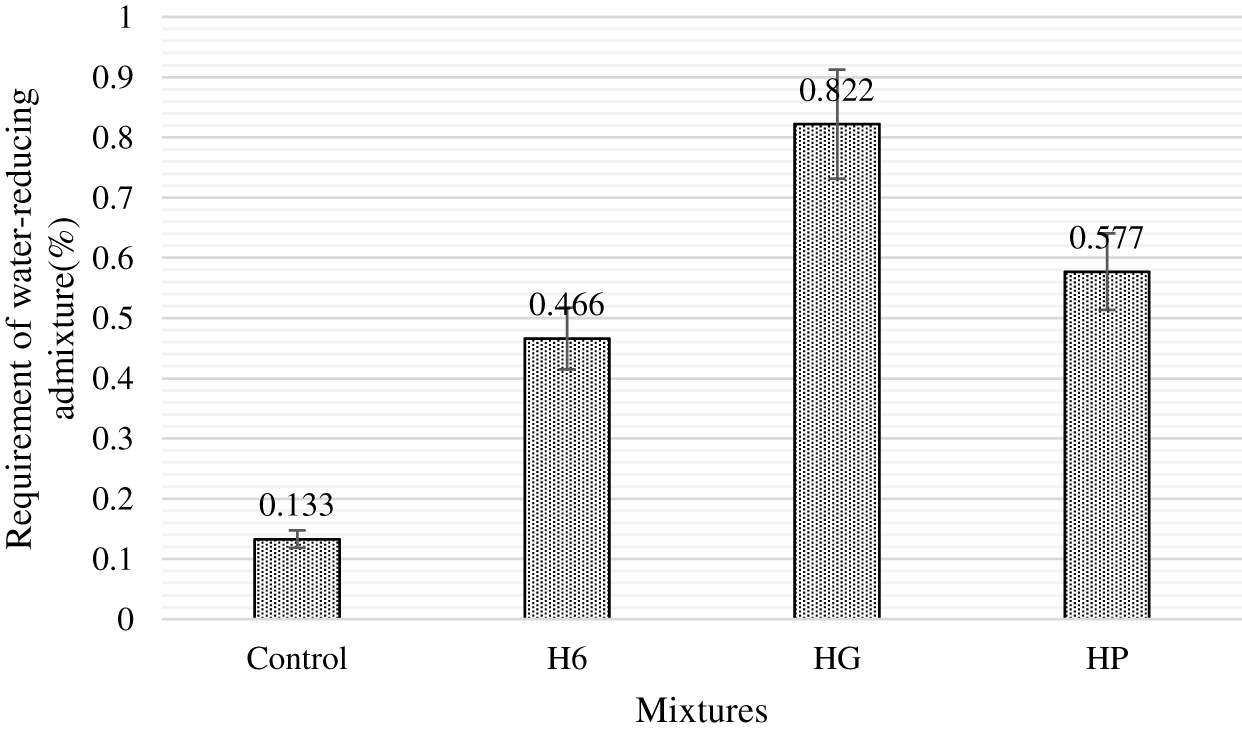
Figure 5 Water-reducing admixture requirements of the mixtures
This increase is attributed to the fibers increasing the internal friction within the mixture and forming a three-dimensional network that raises the overall viscosity, consequently reducing workability. Similar effects on flow have been documented in previous studies using natural fibers [10, 15].
The highest admixture demand was observed in the ground fiber (HG) mixture. This is linked to the mechanical grinding process, which considerably increases the total surface area of the fibers and exposes hydrophilic cellulose groups [27, 42]. In contrast, the mixtures with unprocessed 6 mm fibers (H6) showed a relatively lower increase, consistent with their lower fiber surface roughness and water absorption capacity [18, 20].
Long-term water absorption characteristics, evaluated over 180 days (Figure 6), revealed substantial differences between mixtures. The HG mixture demonstrated the highest absorption capacity, while the control mixture showed expected low absorption values. The hygroscopic nature and microporous structure of hemp fibers contribute to water retention within the matrix, subsequently affecting hydration product formation and increasing capillary porosity [54]. This phenomenon represents a fundamental alteration in the pore structure characteristics of cement-based composites [55]. The increased porosity associated with hemp fiber incorporation has been consistently reported in literature, with fiber-reinforced mortars typically exhibiting higher water absorption capacities [56]. The particularly high absorption in ground fiber mixtures reflects their enhanced water demand and modified cohesion characteristics [57].
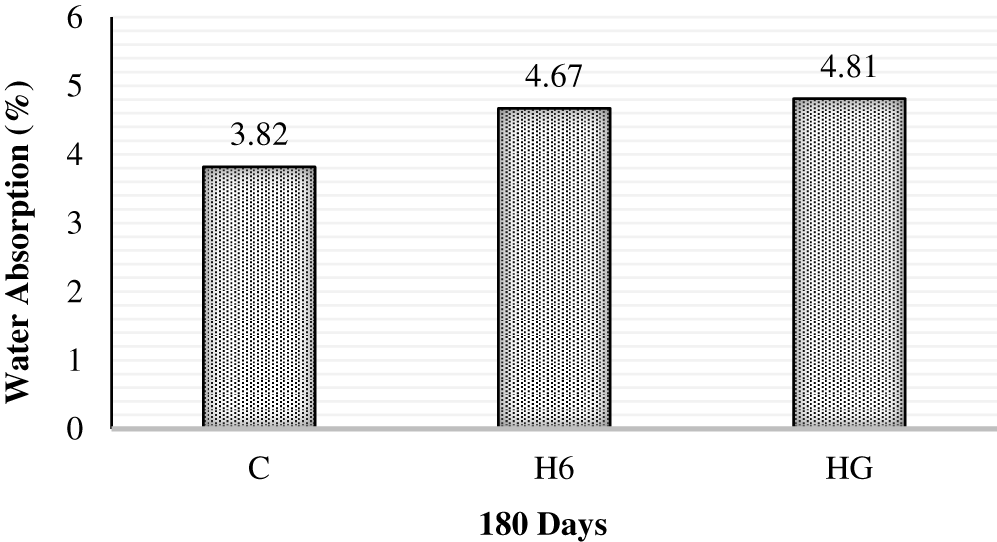
Figure 6 Water absorption rates of mixtures
Water absorption measurements were conducted on the HP (powder) mixture in accordance with ASTM C642. However, the results obtained exhibited significant inconsistency and non-repeatability, with measured absorption values showing anomalously high scatter (e.g., ranging from 8.5% to 22%). This severe data variability is attributed to the inherent and pronounced heterogeneity introduced by the fine hemp powder within the cementitious matrix. Unlike the fibrous forms (H6, HG), the powder particles are considered to create a highly discontinuous pore network and localized weak zones. This microstructure is postulated to lead to non-uniform water ingress and sporadic specimen saturation, thereby violating the fundamental assumption of uniform absorption required by the standard test method. Consequently, while mass changes were recorded, the data were deemed not representative of a reliable bulk material property and are therefore not reported as quantitative values. This observation itself constitutes a significant finding, indicating that the HP mixture does not form a sufficiently homogeneous composite suitable for characterization by standard capillary absorption tests.
3.3 Ultrasonic pulse velocity (UPV) of mortar mixtures
Ultrasonic pulse velocity measurements at 180 days (Table 6) provided insights into the internal structural characteristics of the mixtures. The control mixture achieved the highest UPV value (4932 m/s), while the H6 mixture registered the lowest velocity (4024 m/s). This reduction in UPV values directly correlates with the formation of discontinuities within the matrix caused by fiber incorporation.
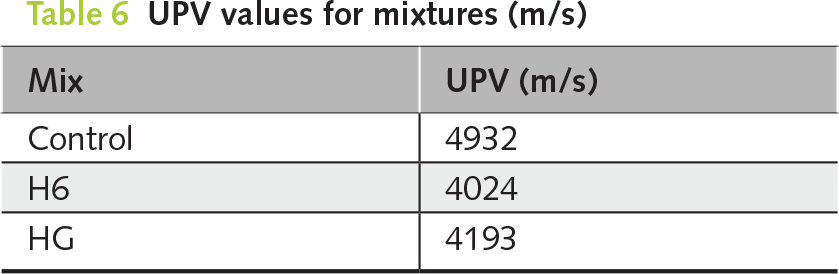
The non-uniform distribution and tendency for agglomeration of hemp fibers create localized regions of increased porosity [58, 59]. Fiber concentration in specific matrix regions further contributes to void formation, adversely affecting wave transmission characteristics [60]. The established relationship between increased porosity and reduced UPV values confirms the microstructural modifications induced by fiber addition [26].
According to established quality classification criteria, Whitehurst [61], UPV values between 3.5–4.5 km/s indicate good material quality. All fiber-reinforced mixtures in this investigation fall within this acceptable range, confirming their structural adequacy.
UPV measurements were performed on the HP mixture as per ASTM C597. The measurements resulted in highly variable and unreliable signal transmission times. The calculated velocities exhibited extreme variation (e.g., between 2500 m/s and 6800 m/s) between different measurement points on the same specimen. This is interpreted as a direct consequence of acoustic impedance mismatch and severe wave scattering caused by the discontinuous distribution of hemp powder particles and the resulting microstructural inhomogeneity. The composite effectively behaves as a highly acoustically heterogeneous medium, precluding the acquisition of a consistent, representative UPV value as intended by the standard. Therefore, a single UPV value for the HP mixture is not presented, as it would not accurately reflect the material’s true acoustic characteristics.
3.4 Compressive and flexural strength
The compressive and flexural strength development patterns (Figures 7 and 8) demonstrate the significant influence of hemp fiber characteristics on mechanical performance. While all mixtures exhibited expected strength gain with curing time, fiber incorporation substantially reduced mechanical properties compared to the control mixture.
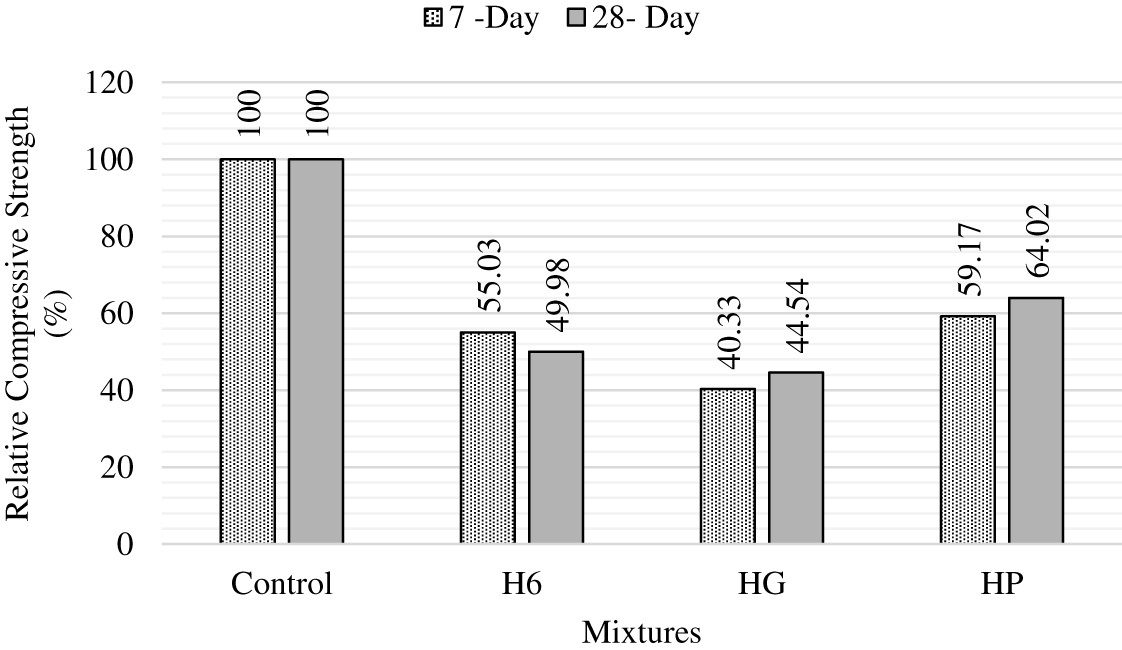
Figure 7 28 day Relative compressive strength values of the mixtures
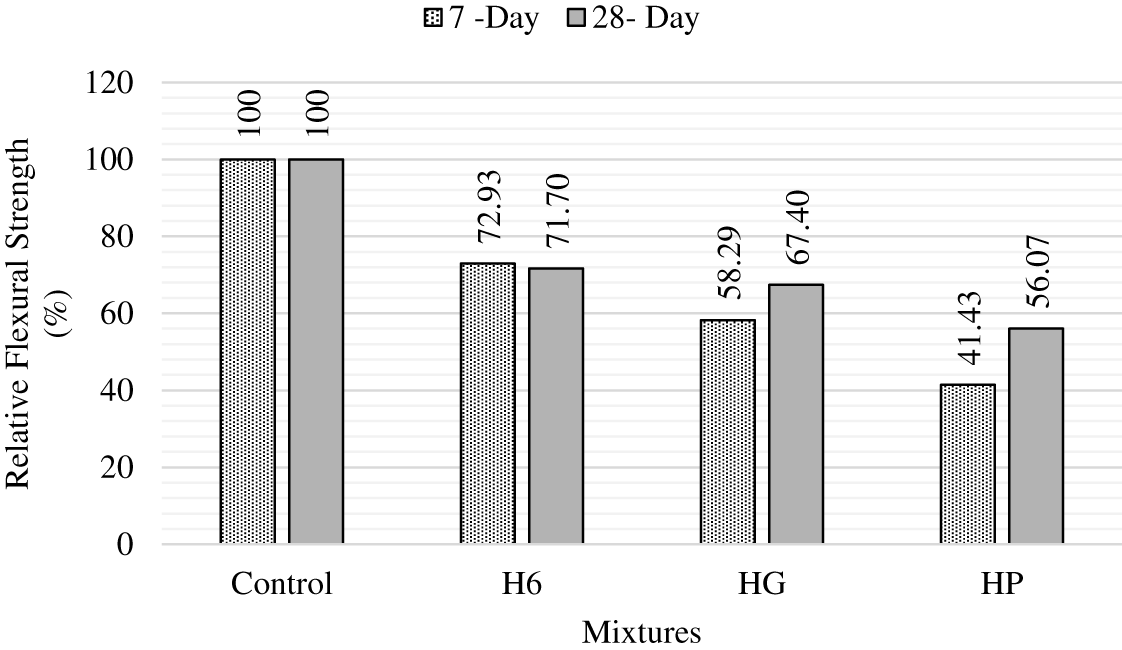
Figure 8 28 day Relative flexural strength values of the mixtures
The compressive strength performance followed the order: HP > H6 > HG. The superior performance of powdered fiber mixtures relates to particle size effects, where reduced dimensions promote better distribution and decreased air void content within the cement matrix [27, 40]. Conversely, the substantial strength reduction in ground fiber mixtures (55–60%) is associated with the exposure of cellulose fibrils and disruption of hydration product formation due to increased specific surface area [18, 42].
Flexural strength characteristics revealed different trends, with HP mixtures exhibiting the lowest values. The reduced fiber dimensions in powdered mixtures limit their effectiveness in crack bridging and stress transfer mechanisms. In contrast, H6 mixtures demonstrated approximately 15% higher flexural strength than HG mixtures, attributed to the enhanced crack resistance and stress distribution capabilities of longer fibers [23, 27].
Overall, with the addition of fibers, a significant decrease in both compressive and flexural strength of the mixtures was observed. This is attributed to an increase in void volume within the cement matrix due to the non-uniform distribution of fibers and their tendency to agglomerate. Fiber surface modification techniques have been suggested in the literature as an effective approach to mitigate mechanical strength losses. Chemical and physical surface treatments have been reported to enhance composite performance by strengthening the fiber–matrix interface [62–64]. Accordingly, the importance of further studies on fiber surface modification and optimization is emphasized.
The thermal conductivity measurements (Figure 9) demonstrate the remarkable insulation potential of hemp fiber-reinforced mortars. The incorporation of hemp fibers reduced thermal conductivity by up to 42% compared to the control mixture, with ground fibers (HG) exhibiting the most pronounced effect (0.50 W/mK).
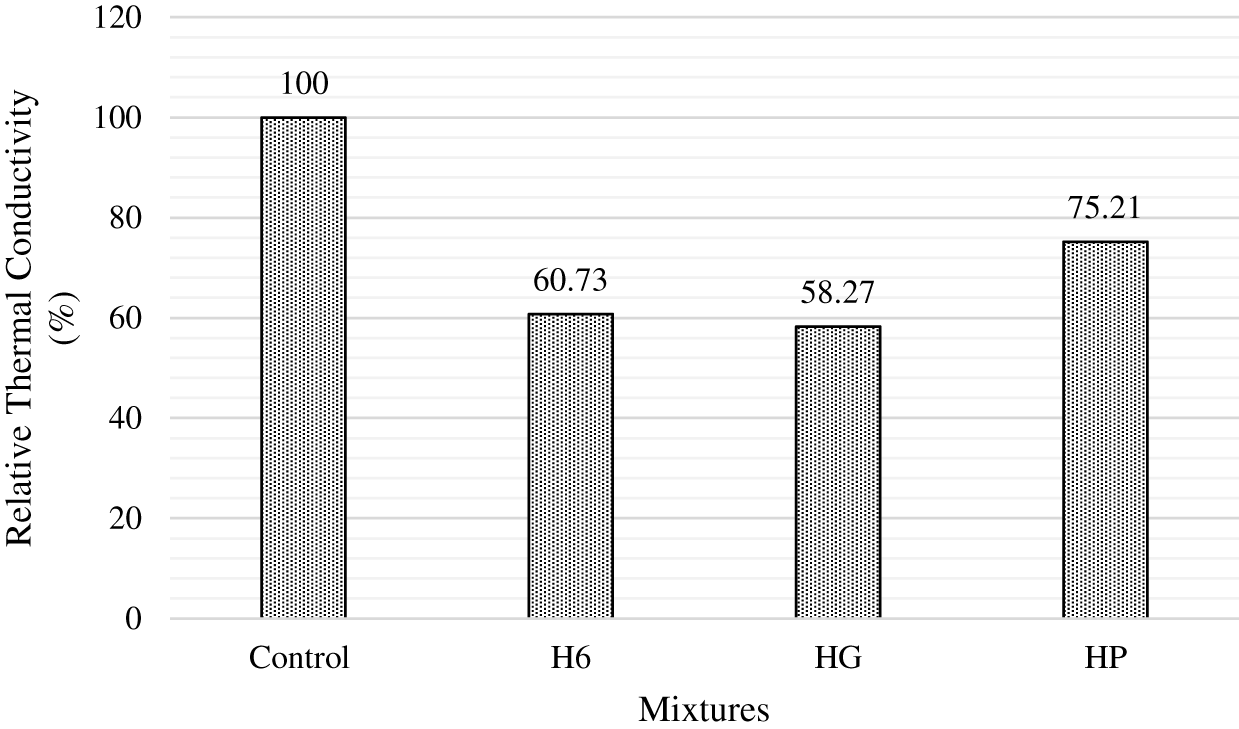
Figure 9 Relative thermal conductivity values of the mixtures
Three fundamental mechanisms contribute to this enhanced thermal performance: the intrinsically low thermal conductivity of hemp fibers (0.05–0.12 W/mK) [22], the creation of micro- and macro-pores that impede heat transfer pathways [19], and increased thermal resistance at fiber-matrix interfaces [16].
These findings highlight the significant potential for energy-efficient building applications [4, 13]. However, the observed inverse relationship between thermal and mechanical performance necessitates careful consideration in material design optimization. The HG mixture, while exhibiting the lowest thermal conductivity, also demonstrated the most substantial compressive strength reduction, emphasizing the need for application-specific formulation strategies.
The results confirm the viability of hemp fiber incorporation in thermal insulation applications and align with established literature findings [16, 22, 23].
The experimental investigation on the incorporation of industrial hemp waste in cement-based mortars yielded the following conclusions:
• The workability of mortar mixtures was significantly influenced by hemp fiber addition, necessitating 3.5 to 6 times higher water-reducing admixture dosage to maintain the target flow value. The highest requirement was observed in ground fiber (HG) mixtures, attributable to the increased specific surface area and exposed hydrophilic cellulose groups, while unprocessed 6 mm fibers (H6) demonstrated relatively lower impact.
• Water absorption properties were significantly affected by fiber addition, with mixtures containing ground hemp fiber (HG) exhibiting higher water absorption capacity compared to the other mixtures studied. This behavior is attributed to the microporous morphology and hygroscopic nature of hemp fibers, which can increase matrix porosity and potentially have a negative impact on mechanical performance.
• Ultrasonic pulse velocity measurements revealed decreased values in fiber-reinforced mixtures, with the most pronounced reduction occurring in H6 mixtures containing 6 mm fibers. This phenomenon is explained by fiber agglomeration and void formation within the matrix, which impede ultrasonic wave propagation.
• Mechanical performance characteristics demonstrated fiber-size dependent behavior. Powdered fibers (HP) achieved the highest compressive strength due to improved particle distribution and reduced void content, while macro fibers (H6) exhibited superior flexural strength through enhanced crack-bridging capabilities. Overall, hemp fiber incorporation resulted in strength reductions up to 60% in compression and 25–30% in flexure.
• Thermal conductivity was significantly improved, with reductions of 25–42% compared to the control mixture. Ground fibers (HG) demonstrated the most pronounced thermal insulation properties (0.504 W/mK), resulting from their inherent low conductivity, increased porosity, and enhanced interfacial thermal resistance.
The findings demonstrate that while hemp waste effectively enhances the thermal insulation properties of cementitious mortars, this benefit is accompanied by a significant compromise in mechanical strength, highlighting a critical trade-off that is intrinsically linked to the form and size of the fiber used.
Acknowledgement
This study was conducted as part of Project number FPDD-2025-2210, which is funded by the Scientific Research Projects (BAP) at Bursa Uludag University. The third author thanks the Turkish Academy of Sciences (TÜBA) for its support and Denge Technical Equipment for their assistance during the thermal measurement experiment.
Funding Statement
The authors received no specific funding for this study.
Author Contributions
The authors confirm contribution to the paper as follows: conceptualization, Yag˘mur Bas¸ar, Yahya Kaya and Ali Mardani; investigation, Yag˘mur Bas¸ar, Yahya Kaya and Ali Mardani; writing—original draft preparation, Yag˘mur Bas¸ar and Yahya Kaya; writing—review and editing, Yag˘mur Bas¸ar, Yahya Kaya and Ali Mardani; visualization, Yag˘mur Bas¸ar, Yahya Kaya and Ali Mardani; supervision, Ali Mardani; project administration, Ali Mardani. All authors reviewed and approved the final version of the manuscript.
Availability of Data and Materials
Data available on request from the authors.
Ethics Approval
Not applicable.
Conflicts of Interest
The authors declare no conflicts of interest.
[1] Abdalla JA, Hawileh RA, Bahurudeen A, Jyothsna G, Sofi A, Shanmugam V, et al. A comprehensive review on the use of natural fibers in cement/geopolymer concrete: a step towards sustainability. Case Stud Constr Mater. 2023;19(1):e02244. doi:10.1016/j.cscm.2023.e02244.
[2] Torgal FP, Jalali S. Natural fiber reinforced concrete. In: Fibrous and composite materials for civil engineering applications. Cambridge, UK: Woodhead Publishing; 2011. p. 154–67.
[3] Shahsavar A, Ghadamian H, Saboori H. Building energy and environmental sustainability. In: Building energy flexibility and demand management. Cambridge, MA, USA: Academic Press; 2023. p. 3–15.
[4] Lee CH, Kim SC, Kim YJ, Kim SK, Hwang JP, Park JW. Experimental study on thermal conductivity of concrete using ferronickel slag powder. KSCE J Civ Eng. 2020;24(1):219–27. doi:10.1007/s12205-020-0588-y.
[5] Rosa AC, Elomari Y, Calderón A, Mateu C, Haddad A, Boer D. Methodology for the prediction of the thermal conductivity of concrete by using neural networks. Appl Sci. 2024;14(17):7598. doi:10.2139/ssrn.4885451.
[6] Berardi U, Tronchin L, Manfren M, Nastasi B. On the effects of variation of thermal conductivity in buildings in the Italian construction sector. Energies. 2018;11(4):872. doi:10.3390/en11040872.
[7] Liu S, Li Q, Zhang J, Zhao K, Zhang Z. Research on mechanical properties of high-strength thermal insulation mortar. Constr Build Mater. 2024;420(5):135260. doi:10.1016/j.conbuildmat.2024.135260.
[8] Qu X, Zhao X. Previous and present investigations on the components, microstructure and main properties of autoclaved aerated concrete—a review. Constr Build Mater. 2017;135:505–16. doi:10.1016/j.conbuildmat.2016.12.208.
[9] Abdallah T, Naima F, Adel B. Improved relationship between determination the thermal conductivity of concrete and improve the thermal insulation of the building. In: Proceedings of the 2023 Second International Conference on Energy Transition and Security (ICETS); 2023 Dec 12–14; Adrar, Algeria. p. 1–4.
[10] Özenç M, Sarıkaya H. Experimental investigation of the behavior of fiber reinforced concretes. Usak Univ J Eng Sci. 2024;7(1):1–13. doi:10.47137/uujes.1444030.
[11] Durgun MY, Özen S, Karakuzu K, Kobya V, Bayqra SH, Mardani-Aghabaglou A. Effect of high temperature on polypropylene fiber-reinforced mortars containing colemanite wastes. Constr Build Mater. 2022;316(1):125827. doi:10.1016/j.conbuildmat.2021.125827.
[12] Tsioptsias C, Leontiadis K, Tzimpilis E, Tsivintzelis I. Polypropylene nanocomposite fibers: a review of current trends and new developments. J Plast Film Sheet. 2021;37(3):283–311.
[13] Jhatial AA, Goh WI, Mohamad N, Alengaram UJ, Mo KH. Effect of polypropylene fibers on the thermal conductivity of lightweight foamed concrete. MATEC Web Conf. 2018;150(1):03008. doi:10.1051/matecconf/201815003008.
[14] Badagliacco D, Sanfilippo C, Megna B, La Mantia T, Valenza A. Mechanical and thermal properties of insulating sustainable mortars with Ampelodesmos mauritanicus and Pennisetum setaceum plants as aggregates. Appl Sci. 2021;11(13):5910. doi:10.3390/app11135910.
[15] Baghban MH, Kioumarsi M, Grammatikos S. Prediction models for thermal conductivity of cement-based composites. Nord Concr Res. 2018;58(1):163–71. doi:10.2478/ncr-2018-0010.
[16] Daza-Badilla L, Gómez R, Díaz-Noriega R, Avudaiappan S, Skrzpkowski K, Saavedra-Flores EI, et al. Thermal conductivity in concrete samples with natural and synthetic fibers. Materials. 2024;17(4):817. doi:10.3390/ma17040817.
[17] Niyigena C, Amziane S, Chateauneuf A, Arnaud L, Bessette L, Collet F, et al. Variability of the mechanical properties of hemp concrete. Mater Today Commun. 2016;7(2):122–33. doi:10.1016/j.mtcomm.2016.03.003.
[18] Al-Kheetan MJ. Performance improvement of hemp-shiv cementitious composites through hot water and steam treatment. Constr Build Mater. 2023;367:130315. doi:10.1016/j.conbuildmat.2023.130315.
[19] Sair S, Oushabi A, Kammouni A, Tanane O, Abboud Y, El Bouari A. Mechanical and thermal conductivity properties of hemp fiber reinforced polyurethane composites. Case Stud Constr Mater. 2018;8(7):203–12. doi:10.1016/j.cscm.2018.02.001.
[20] Manaia JP, Manaia AT, Rodrigues L. Industrial hemp fibers: an overview. Fibers. 2019;7(12):106. doi:10.3390/fib7120106.
[21] Ayadi M, Segovia C, Baffoun A, Zouari R, Fierro V, Celzard A, et al. Influence of anatomy, microstructure, and composition of natural fibers on the performance of thermal insulation panels. ACS Omega. 2023;8(51):48673–88. doi:10.1021/acsomega.3c02481.
[22] Kubiś M, Łapka P, Cieślikiewicz Ł, Sahmenko G, Sinka M, Bajare D. Analysis of the thermal conductivity of a bio-based composite made of hemp shives and a magnesium binder. Energies. 2022;15(15):5490. doi:10.3390/en15155490.
[23] Martínez B, Mendizabal V, Roncero MB, Bernat-Maso E, Gil L. Towards sustainable building solutions: development of hemp shiv-based green insulation material. Constr Build Mater. 2024;414:134987. doi:10.1016/j.conbuildmat.2024.134987.
[24] Khan MS, Hashmi AF, Shariq M, Ibrahim SM. Effects of incorporating fibres on mechanical properties of fibre-reinforced concrete: a review. Mater Today Proc. 2023. doi:10.1016/j.matpr.2023.05.106.
[25] Kaya N, Ramazanoğlu B. Effect of hybridization of steel fibers on mechanical behavior of concrete. J Yüzüncü Yıl Univ Inst Sci. 2024;29(1):221–35.
[26] Mardani-Aghabaglou A, Özen S, Altun MG. Durability performance and dimensional stability of polypropylene fiber reinforced concrete. J Green Build. 2018;13(2):20–41. doi:10.3992/1943-4618.13.2.20.
[27] Çomak B, Bideci A, Bideci ÖS. Effects of hemp fibers on characteristics of cement based mortar. Constr Build Mater. 2018;169(1):794–9. doi:10.1016/j.conbuildmat.2018.03.029.
[28] Merta I, Tschegg EK. Fracture energy of natural fiber reinforced concrete. Constr Build Mater. 2013;40(8):991–7. doi:10.1016/j.conbuildmat.2012.11.060.
[29] Hassan HZ, Saeed NM. Fiber reinforced concrete: a state of the art. Discover Mater. 2024;4(1):101. doi:10.1007/s43939-024-00171-w.
[30] Song H, Liu T, Gauvin F. Enhancing mechanical performance of green fiber cement composites: role of eco-friendly alkyl ketene dimer on surfaces of hemp fibers. J Mater Res Technol. 2024;28:3121–32.
[31] Musio S, Müssig J, Amaducci S. Optimizing hemp fiber production for high performance composite applications. Front Plant Sci. 2018;9:1702. doi:10.3389/fpls.2018.01702.
[32] Sepe R, Bollino F, Boccarusso L, Caputo F. Influence of chemical treatments on mechanical properties of hemp fiber reinforced composites. Compos Part B Eng. 2018;133:210–7. doi:10.1016/j.compositesb.2017.09.030.
[33] Sedan D, Pagnoux C, Smith A, Chotard T. Mechanical properties of hemp fibre reinforced cement: influence of the fibre/matrix interaction. J Eur Ceram Soc. 2008;28(1):183–92. doi:10.1016/j.jeurceramsoc.2007.05.019.
[34] Saini K, Matsagar VA, Kodur VR. Recent advances in the use of natural fibers in civil engineering structures. Constr Build Mater. 2024;411(7):134364. doi:10.1016/j.conbuildmat.2023.134364.
[35] Tuncer MH, Girgin CZ. Hemp fiber reinforced lightweight concrete (HRLWC) with coarse pumice aggregate and mitigation of degradation. Mater Struct. 2023;56(3):59. doi:10.1617/s11527-023-02142-8.
[36] Schumacher AGD, Pequito S, Pazour J. Industrial hemp fiber: a sustainable and economical alternative to cotton. J Clean Prod. 2020;268:122180. doi:10.1016/j.jclepro.2020.122180.
[37] Zecchi S, Cristoforo G, Bartoli M, Rosso C, Tagliaferro A. Hemp waste stream valorization through pyrolytic carbonization for epoxy composite strengthening. J Compos Sci. 2024;8(11):473. doi:10.3390/jcs8110473.
[38] Islam S, Hasan B. An overview of the effects of water and moisture absorption on the performance of hemp fiber and its composites. SPE Polym. 2025;6(1):e10167. doi:10.1002/pls2.10167.
[39] Francois C, Plasseraud L, Pourchet S, Boni G, Placet V, Fontaine S, et al. Étude d’un procédé de traitement innovant des fibers de chanvre sous condition de fluide supercritique et propriétés induites. J Nationales Sur Les Compos. 2017;1–10.
[40] Filazi A, Tortuk S, Pul M. Determination of optimum blast furnace slag ash and hemp fiber ratio in cement mortars. In: Structures 57. Amsterdam, The Netherlands: Elsevier; 2023. p. 1–12.
[41] Mardani-Aghabaglou A, Yüksel C, Hosseinnezhad H, Ramyar K. Performance of steel micro fiber reinforced mortar mixtures containing plain, binary and ternary cementitious systems. J Green Build. 2016;11(4):109–30. doi:10.3992/jgb.11.4.109.
[42] Réquilé S, Le Duigou A, Bourmaud A, Baley C. Deeper insights into the moisture-induced hygroscopic and mechanical properties of hemp reinforced biocomposites. Compos Part A Appl Sci Manuf. 2019;123:278–85. doi:10.1016/j.compositesa.2019.05.006.
[43] Zwawi M. A review on natural fiber bio-composites, surface modifications and applications. Molecules. 2021;26(2):404. doi:10.3390/molecules26020404.
[44] BS EN 1097-6:2022. Tests for mechanical and physical properties of aggregates—part 6. London, UK: British Standards Institution; 2002.
[45] ASTM C1437. Standard test method for flow of hydraulic cement mortar. West Conshohocken, PA, USA: ASTM International; 2007.
[46] EN-196-1. Methods of testing cement—determination of strength. Brussels, Belgium: European Standardisation Organisations; 2005.
[47] ASTM C518. Standard test method for steady-state thermal transmission properties by means of the heat flow meter apparatus. West Conshohocken, PA, USA: ASTM; 2017.
[48] ISO 8301. Thermal insulation—determination of steady-state thermal resistance and related properties—heat flow meter apparatus. Geneva, Switzerland: International Organization for Standardization; 1991.
[49] ASTM C642. Standard test method for density, absorption, and voids in hardened concrete. West Conshohocken, PA, USA: ASTM; 2006.
[50] ASTM C597. Standard test method for pulse velocity through concrete. West Conshohocken, PA, USA: ASTM; 2009.
[51] ASTM C177-7. Standard test method for steady-state heat flux measurements and thermal transmission properties by means of the guarded-hot-plate apparatus. Philadelphia, PA, USA: American Society for Testing and Materials; 2010.
[52] Kim KH, Jeon SE, Kim JK, Yang S. An experimental study on thermal conductivity of concrete. Cem Concr Res. 2003;33(3):363–71. doi:10.1016/s0008-8846(02)00965-1.
[53] Asadi I, Shafigh P, Hassan ZFBA, Mahyuddin NB. Thermal conductivity of concrete—a review. J Civ Eng. 2018;20(6):81–93. doi:10.1016/j.jobe.2018.07.002.
[54] Pejic BM, Kostic MM, Skundric PD, Praskalo JZ. Effects of hemicellulose and lignin removal on the water absorption behavior of hemp fibers. Bio-Based Technol. 2008;99(15):7152–9. doi:10.1016/j.biortech.2007.12.073.
[55] Gultekin A. The effect of hemp and basalt fiber on the fracture energy of cement-based composites: a comparative study. Challenge J Concr Res Lett. 2023;14(4):107–17. doi:10.20528/cjcrl.2023.04.002.
[56] Filazi A, Akat R, Pul M, Tortuk S, Özdin A. Physical, structural, mechanical, and thermal insulation properties of geopolymer composites substituted with hemp fiber. Materials. 2025;18(11):2536. doi:10.3390/ma18112536.
[57] Bolcu D, Stănescu MM. The influence of non-uniformities on the mechanical behavior of hemp-reinforced composite materials with a Dammar matrix. Materials. 2019;12(8):1232. doi:10.3390/ma12081232.
[58] Akıncı AO, Karaman S. Effects of hemp fibers on the durability and strength properties of concrete to be used in agricultural structures. Kahramanmaraş Sütçü İmam Univ J Agric Nat. 2024;27(3):635–43. doi:10.18016/ksutarimdoga.vi.1357238.
[59] Latifi MR, Biricik Ö, Mardani Aghabaglou A. Effect of polypropylene fiber addition on concrete properties. J Adhes Sci Technol. 2022;36(4):345–69. doi:10.1080/01694243.2021.1922221.
[60] Sadeghi P, Cao Q, Abouzeid R, Shayan M, Koo M, Wu Q. Experimental and statistical investigations for tensile properties of hemp fibers. Fibers. 2024;12(11):94. doi:10.3390/fib12110094.
[61] Whitehurst EA. Soniscope tests concrete structures. J Proc. 1951;47(2):433–44. doi:10.14359/12004.
[62] Pehanich JL, Blankenhorn PR, Silsbee MR. Wood fiber surface treatment level effects on selected mechanical properties of wood fiber–cement composites. Cem Concr Res. 2004;34(1):59–65. doi:10.1016/s0008-8846(03)00193-5.
[63] Wei J, Meyer C. Improving degradation resistance of sisal fiber in concrete through fiber surface treatment. Appl Surf Sci. 2014;289:511–23. doi:10.1016/j.apsusc.2013.11.024.
[64] Kim JH, Han JH, Hong S, Kim DW, Park SH, Wee JH, et al. Effect of plasma surface modification on pullout characteristics of carbon fiber-reinforced cement composites. Carbon Trends. 2021;3:100030. doi:10.1016/j.cartre.2021.100030.