

Türkçimento addresses fair competition practices for CBAM
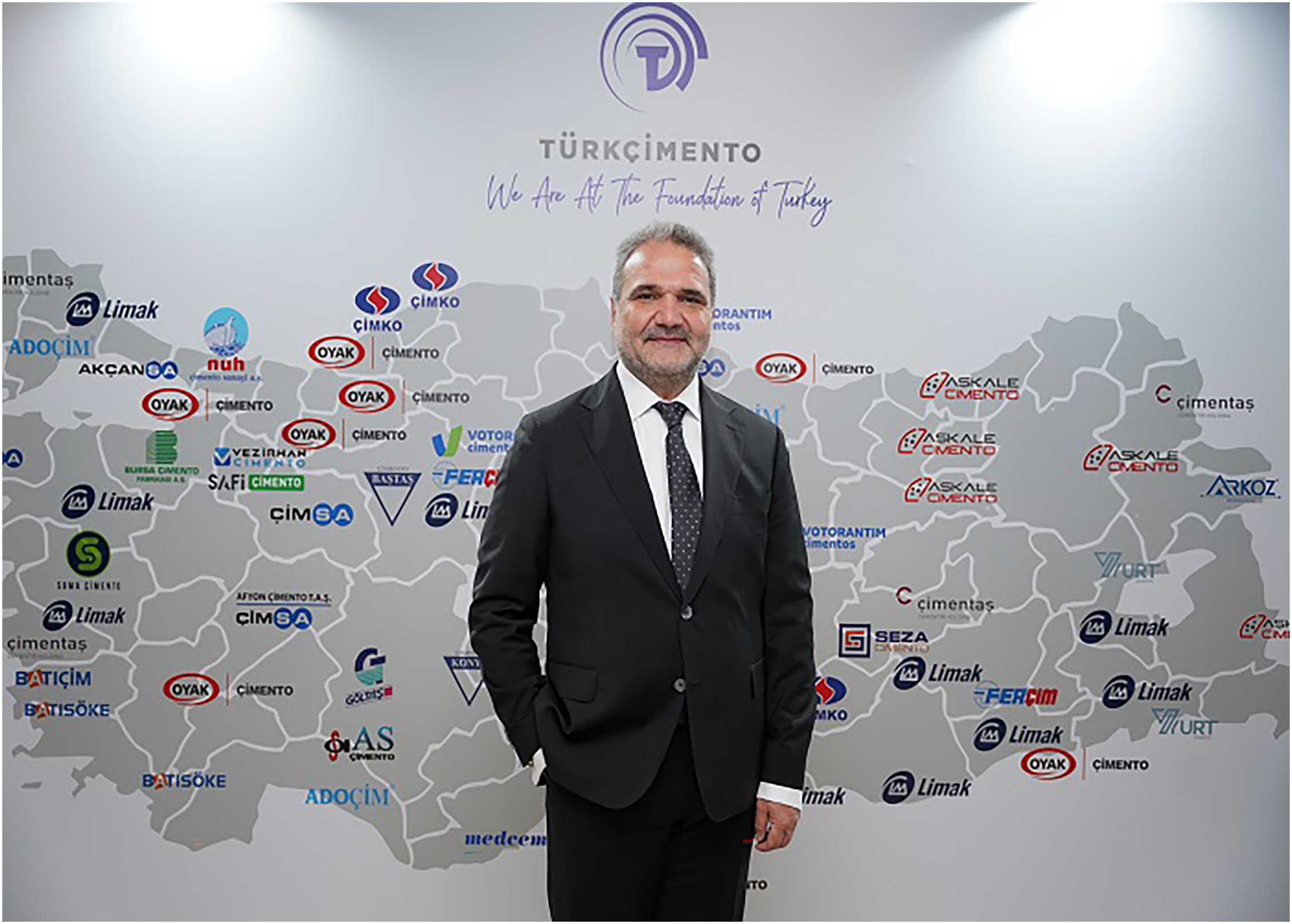
Photo: CEO Volkan Bozay (Credit: Türkçimento)
The Turkish Cement Manufacturers’ Association (TÜRKÇİMENTO) has issued a strategic statement that the current implementation of the European Union’s Carbon Border Adjustment Mechanism (CBAM) poses a risk of effectively becoming a non-tariff trade barrier for the Turkish cement industry. Actual data declared by the members of the association who are exporting to the EU during the CBAM transition period in Turkey show that emissions for grey cement clinker are at the level of 0.88 t CO2/t cementitious product, while, in contrast, the default value used for Türkiye under EU legislation is 1.551 t CO2/t. Accordingly, the current EU CBAM default emission values may overstate actual emissions from Türkiye’s cement producers, potentially increasing carbon costs from around €20/t to €80/t of clinker.
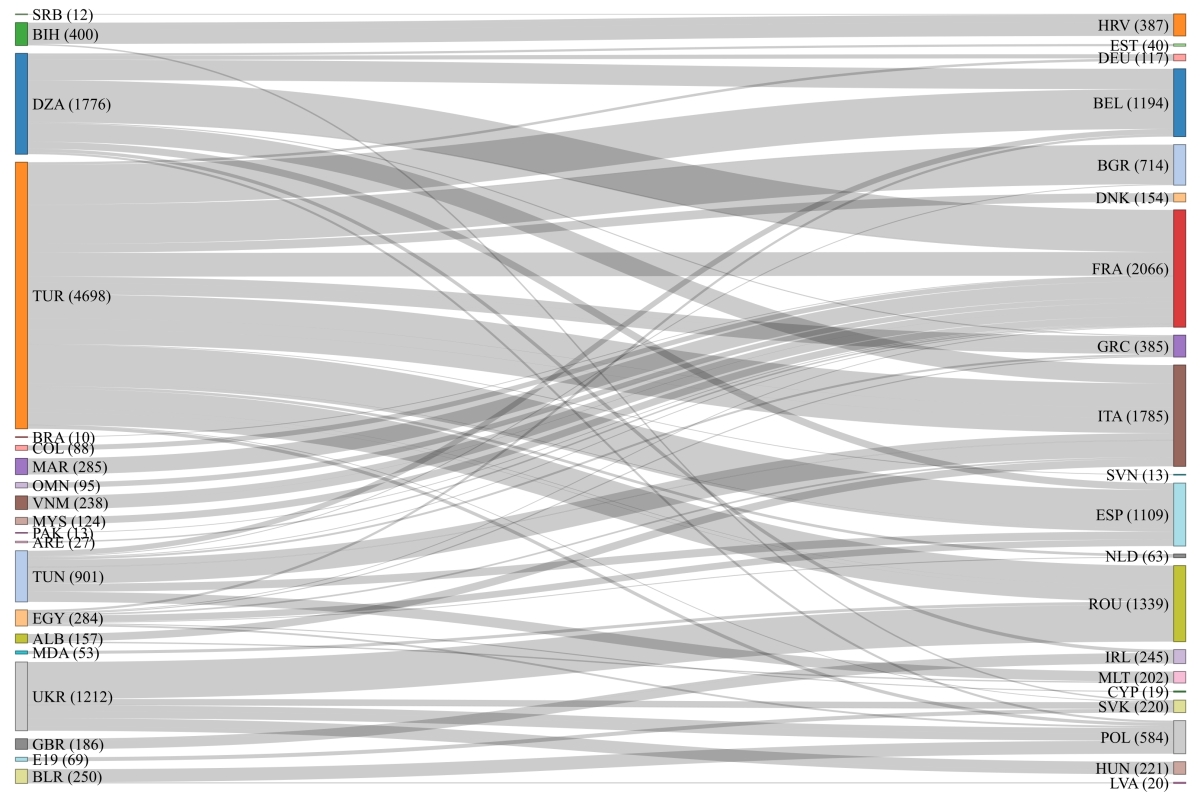
Türkiye is the world’s largest cement exporter. In 2025, about 15.009 million tons per year (Mta) were exported, compared to 12.997 Mta in 2024, which corresponds to an increase by 15.5% YoY. The clinker exports increased from 5.220 Mta in 2024 to 6.939 Mta in 2025. The main clinker exports to the EU in 2024 were to Italy (0.906 Mta), Belgium (0.452), France (0.3389), Romania (0.332), and Spain (0.293). If CBAM is implemented in the current form, a significant portion of the additional cost incurred will be reflected in final product prices and will ultimately affect consumers in the EU as well. Therefore, the timely activation of verification capacity and the realistic updating of default values are of critical importance.
Mr. Volkan Bozay (photo), CEO of TÜRKÇİMENTO, stated: “The Turkish cement sector has been operating within a monitoring, reporting, and verification (MRV) system aligned with the EU since 2015. Low-emission dry-process kilns are used at all our facilities, and our actual emission performance is well below the default values. Because no country-specific default value has been defined for Turkey, the application of the highest emission coefficients under the ‘other countries’ category places our sector at an unfair disadvantage”.
 |
Copyright © 2026 The Author. Published by Tech Science Press. This work is licensed under a Creative Commons Attribution 4.0 International License, which permits unrestricted use, distribution, and reproduction in any medium, provided the original work is properly cited. |