
Efficient down to the last detail SIEMENS AG/ Instrumentation efficiency
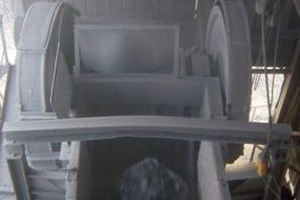
In addition to comprehensive major projects a significant reduction of the energy consumption can be achieved by small measures and the choice of the right equipment.

Cement manufacturing is an energy-intensive process. In addition to the high consumption of fuel for calcination and clinkering, which requires temperatures in the range of 1400 °C to 1450 °C, electric energy is needed to process the raw materials, cool the clinker, and grind the cement. The use of advanced technology such as rotary kilns and pre-heater has optimized the calcination process to a point where no further significant reduction of energy consumption through procedural measures is expected.1

1 Enhancing energy efficiency

For years, other strategies have also been pursued in the cement...
Related articles:

Issue 5/2014 SIEMENS

Radar level measurement flexibility

Siemens has launched a new flanged, encapsulated antenna with a measuring range of up to 20 meters for the Sitrans LR250 radar level transmitter....

more
Issue 11/2016 US 2016/0272540 A1

Method for producing a low-carbon clinker

(22) 10.03.2016 (43) 22.09.2016 (57) Method for producing a low-carbon clinker with low energy consumption comprising the following stages:...

more
Issue 06/2014 SIEMENS

Energy efficiency through transparency

1 Introduction The manufacturing process of the world’s most widely used building material is very energy intensive. From the crushing of raw...

more
Issue 7-8/2014 ISKITIMTSEMENT

The industrial practice of fuel and power saving at JSC Iskitimtsement

The cement industry is the most energy-intensive industry in the construction material sector. So it is no wonder that there are a lot of efforts to...

more