

Enhancing the sustainability of sand-cement mortars: a synergistic approach utilizing polycarboxylate ether (PCE) for cement reduction and CO2 mitigation
More than 800 kg of CO2 are released during the production of one ton of pure Portland cement [1]. In line with global climate targets, the Global Cement and Concrete Association (GCCA) committed to fully decarbonise the cement and concrete industry and provide net zero concrete for the world by 2050 [2]. A key lever to meet this target is the reduction of cement consumption in concrete.
This approach can be transferred to dry mortar production. The following example shows that it is possible to reduce cement by 20% and more by using high-performance superplasticisers based on polycarboxylate ethers (PCE) without sacrificing the desired mortar properties. Fillers available in dry mortar plants, such as limestone powder, make it easy to optimise the formulations. In the following, the relationships between water-cement ratio and strength are explained and transferred to a simple sand-cement recipe. The aim of this elaboration is to keep the costs as neutral as possible, thus, not to increase the cost of the recipe. In the end, the focus is on CO2 reduction as well as lower consumption of drinking water.
Cement production is a major source of CO2 emissions worldwide. Around 8% of global CO2 emissions are addressed to the cement industry. Cement is made by burning limestone, clay, and other materials in a kiln. CO2 is emitted from the energy used to burn the material, and the chemical reaction produced from the mixture when it is exposed to heat.
In Germany, the path to climate neutrality for insulation systems, plaster and mortar by 2045 is clearly defined in the VDPM (German Association for Insulation Systems, Plaster and Mortar) roadmap [3]. The main focus of this study is not only on the manufacturing plants but also on the formulations of the products. Cement is an essential raw material for the formulation of a variety of mortar products for a wide range of applications. The cement industry now offers various cements that contain significant proportions of cement substitutes such as fly ash, limestone powder and slag. Not all cements are suitable for all mortar applications. Due to limited silo capacity, it is hardly feasible for a dry mortar company to keep 3 to 4 different CEM II or CEM III cements in stock, especially as special CAC (calcium aluminate cement) and/or CSA (calcium sulfoaluminate cement) cements as well as various gypsum raw materials, limestone powder and sands must also be kept in stock. Why not go for one or two suitable CEM I or CEM II cements and cover the rest with formulation expertise?
Chemical additives are known to have a significant impact on fresh and hardened mortar and concrete properties. They therefore play a key role in the transformation of cement-based building materials towards greater sustainability. Their use enables carbon reduction and circularity [4]. PCE technology is currently the core technology with the greatest impact. PCE-based products are available both in the form of liquid admixtures for concrete applications and as powder additives for drymix mortars. Compared to conventional chemical additives such as those based on melamine or naphthalene resin, PCEs do not contribute to indoor emissions and are also unproblematic in contact with drinking water. The premium class EMICODE® EC1PLUS—which defines the limit of what is technically feasible today [5]—can be achieved without any problems.
Findings from concrete technology, where PCE application is already established, can also be applied to the formulation of drymix mortars. In the following this is illustrated using the example of a simple but widely used product: sand-cement mortar. In Europe, several million tonnes of this product are produced every year.
The following simplified assumptions (Table 1) are made to assess the economic efficiency and environmental footprint:

2 Influence of water-cement ratio on consistency and strength
Sand-cement mortars are very simple systems consisting only of cement and sand, which are mixed with water on the construction site and then installed. Typical applications are conventional screeds, masonry mortars, plasters, concrete repairs and small-volume concrete works. As these mortars are very cost-sensitive, the aim of this investigation is to achieve cost neutrality or savings. For example, if 10 kg of cement are saved per t of dry mortar, €1.50 is available for the use of high-performance superplasticiser.
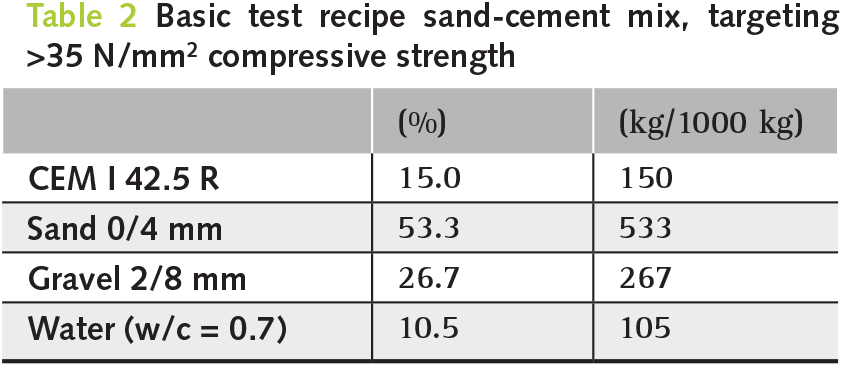
As a first series of tests, the model recipe was mixed with a reduced water content and the spread diameter was tested with 15 strokes on the Hägermann table (Figure 1). With a water-cement ratio of 0.7, the mortar was easy to work with and also easy to compact. The gradual reduction of the mixing water has a very clear effect on the consistency and thus on the workability. A reduction to a water-cement ratio is conceivable up to a maximum of 0.6, after which the mortar becomes very dry and loses its cohesion. Compaction seems difficult, especially for less experienced craftsmen.
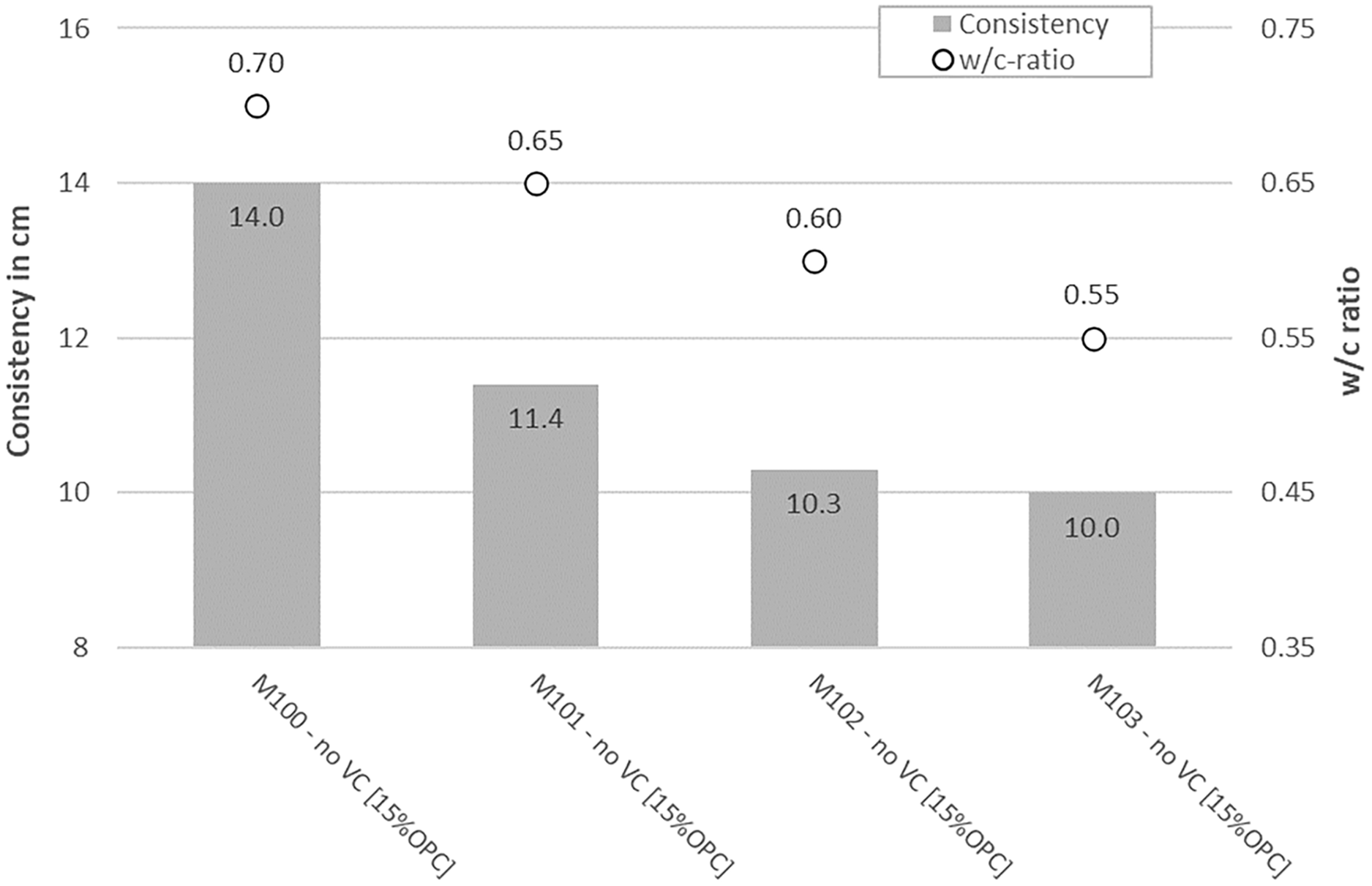
Figure 1 Influence of water reduction on consistency at constant cement content
Some craftsmen work with different consistencies depending on the region. In the north of Germany, for example, the cement screed is installed very dry, almost free-flowing, whereas in the south of Germany it tends to be soft and plastic.
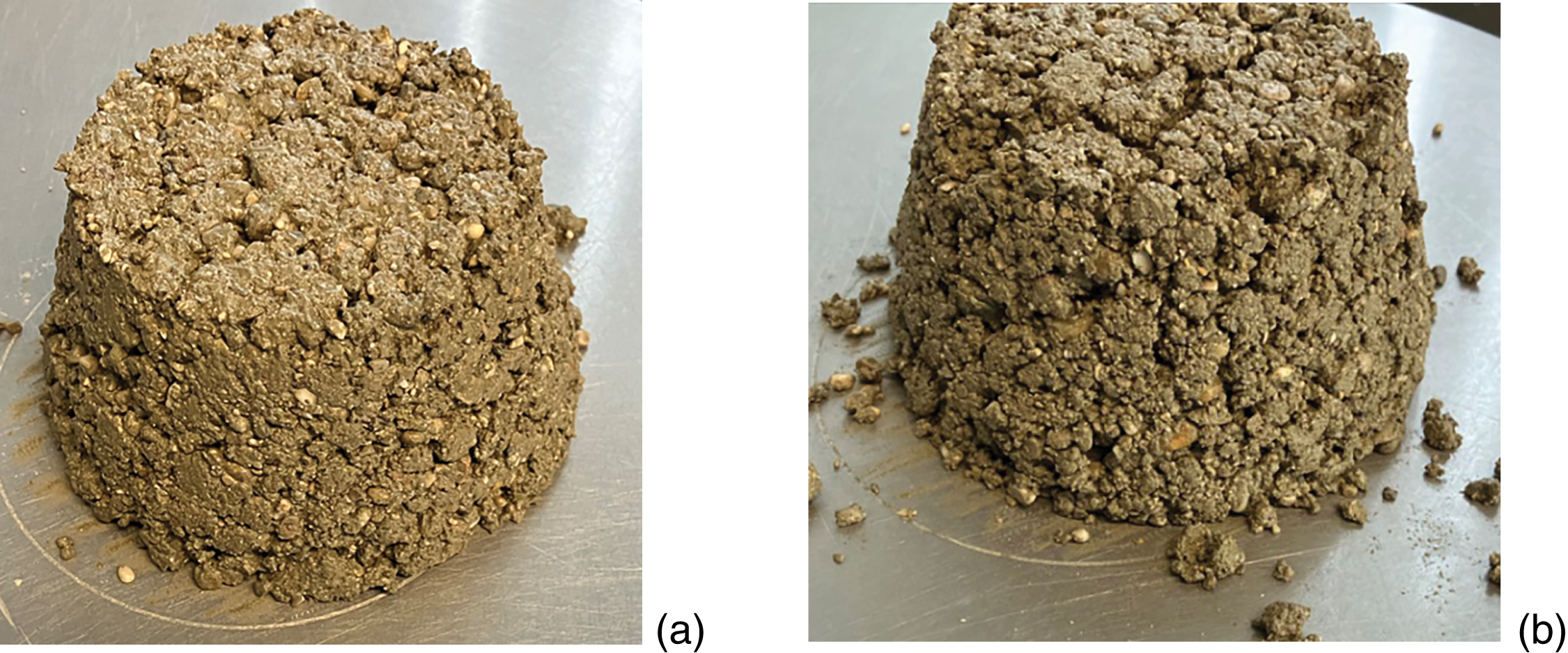
Figure 2 (a) w/c = 0.6. The mortar is still compact and has a light, shiny water film. (b) w/c = 0.55. The mortar cake falls apart slightly and looks very dry and brittle
In Figure 3, the relationship between water-cement ratio and strength is shown, which is familiar from concrete technology. At a very low water-cement ratio, the strength is significantly higher but requires significantly more compaction energy.
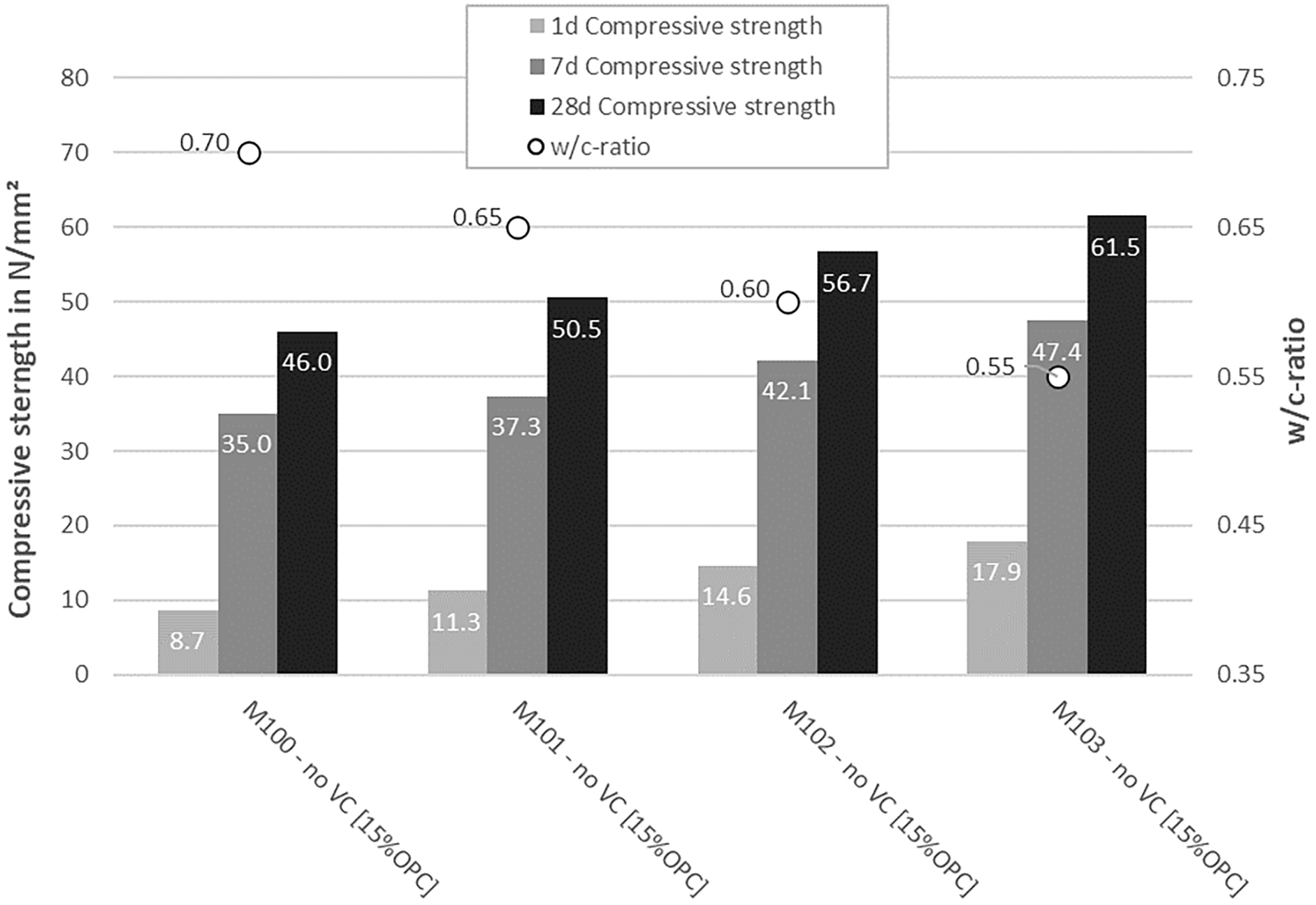
Figure 3 Influence of water reduction on strength development at constant cement content
The target of the following mixes is: Comparable strength with less cement and good compactability.
The consistency results are shown in Figure 4 for mixes where firstly the water-cement ratio was reduced and secondly the cement content was reduced at a constant water-cement ratio. The consistency variations have been balanced out by varying additions of PCE-based superplasticiser (“VC” stands for ViscoCrete).
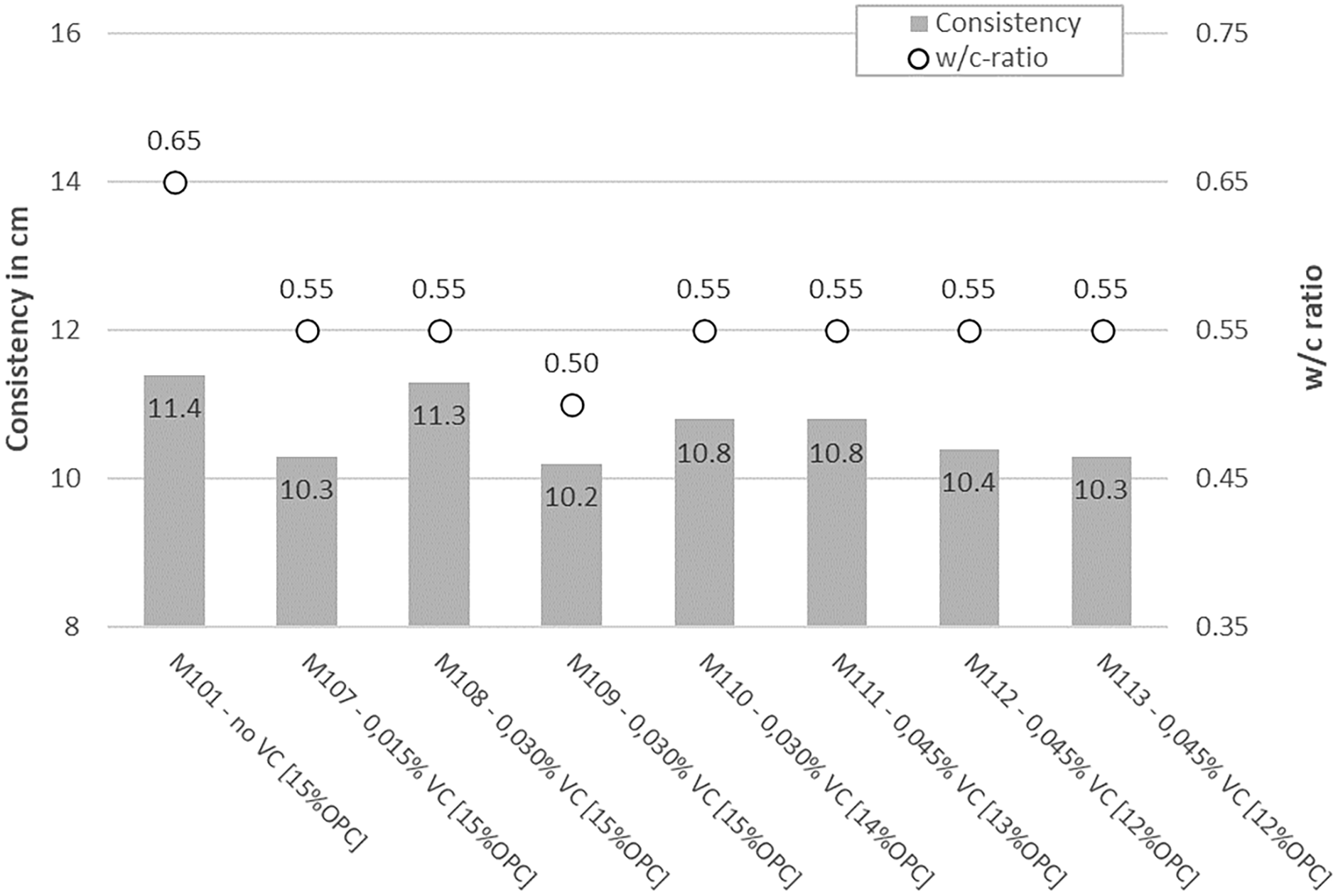
Figure 4 Influence of PCE addition on consistency in combination with cement reduction from 15 to 12%
The reference mix (M101) contained 15% cement at a water-cement ratio of 0.65. The mixes with a reduced cement content and with simultaneous addition of PCE have a similar consistency. All mixes are more or less compact. The mixes with less cement are missing fines. By compensating the missing fines fractions with the addition of 30 kg limestone filler, the mix (M113) is getting smoother and more compact.
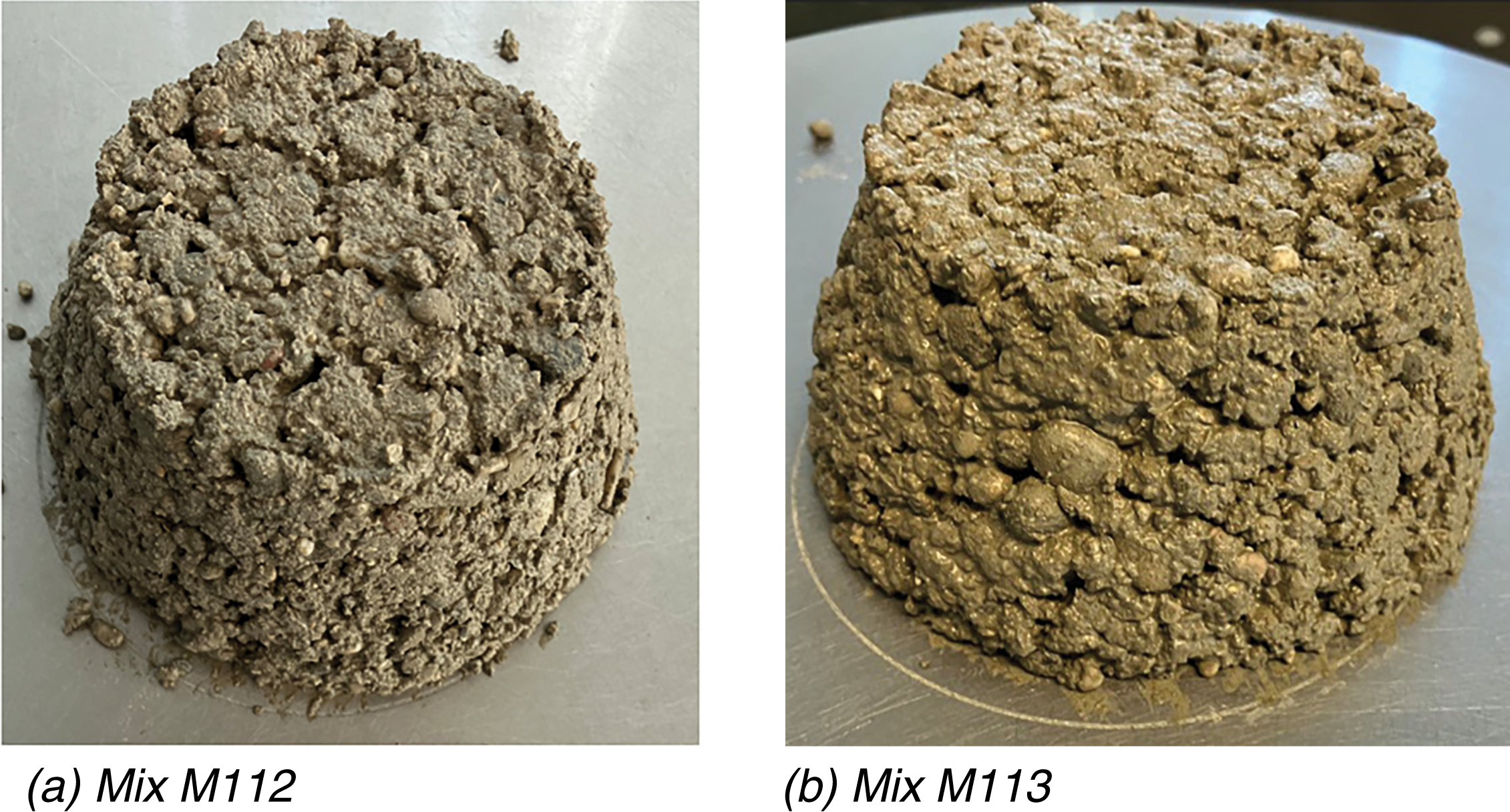
Figure 5 Both mixes contain 12% cement and 0.55 water-cement ratio, but Mix M113 with 30 kg limestone filler is smoother and more compact
The influence of the addition of PCE on the water reduction and thus on the strength development can be seen in Figure 6. The early strengths after one day and the strengths after 28 days are significantly higher than the reference mix without superplasticiser, despite the reduction in cement. With the cement reduction, the absolute amount of water added was also reduced while the water-cement ratio remained constant at 0.55.
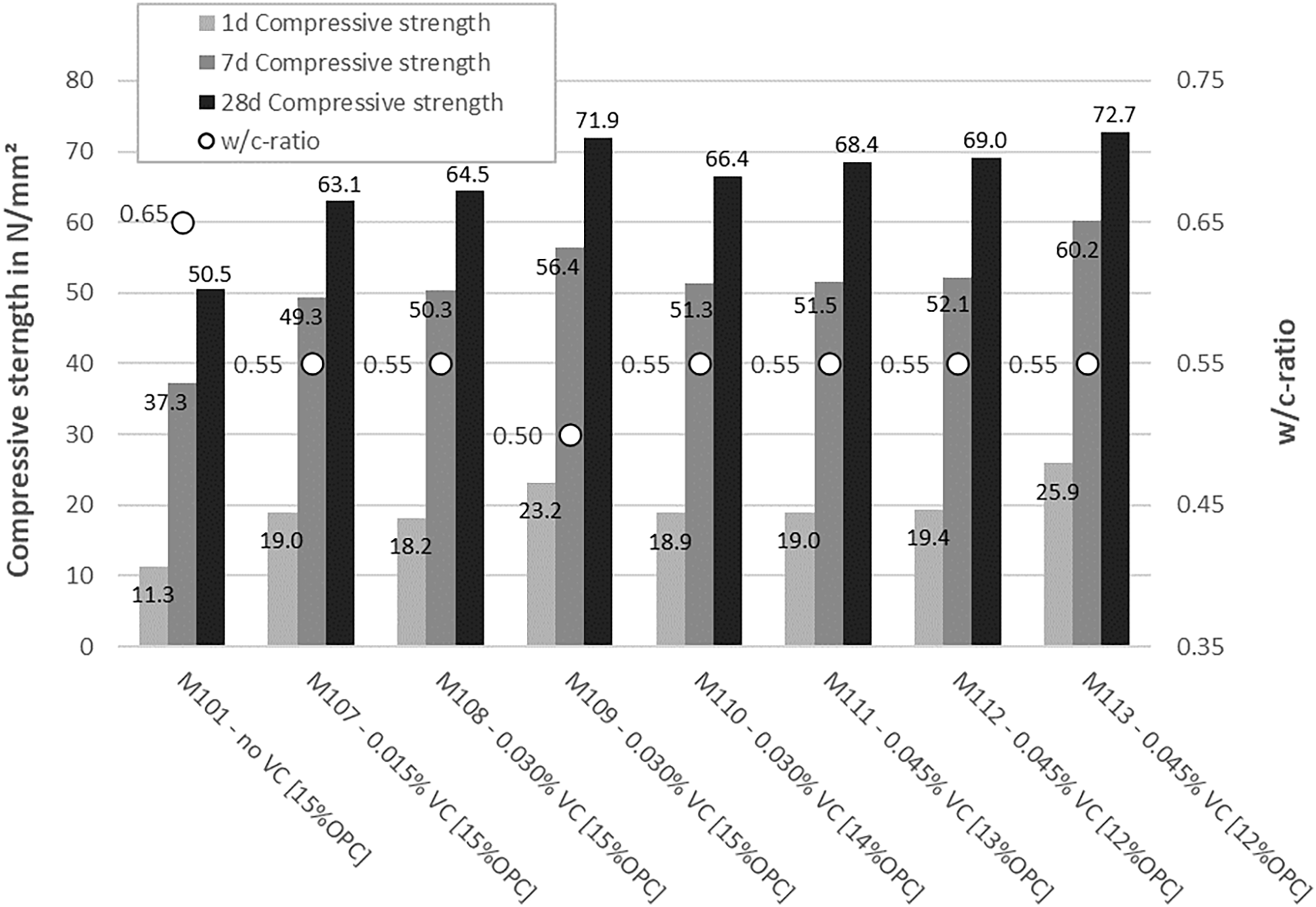
Figure 6 Influence of cement reduction in combination with PCE addition on strength development
The maximum tested cement reduction of 30 kg (20%) in mix M112 still produces significantly higher strengths (>35%) than the reference (M101). It can be assumed that even lower cement contents, e.g., 100 kg per 1000 kg drymix mortar, may also be conceivable for simple sand-cement mortars. In this case, the missing cement should be replaced by limestone powder, for example. It is interesting to note at this point that mix M113, in which the missing cement was replaced by limestone powder, achieved a further increase in strength.
The amount of superplasticiser used to achieve the optimum solution depends on the objectives of the mortar developer. With a cement saving of 30 kg, an amount of €4.50 per t of dry mortar is available for cost neutrality. With the given PCE dosages of 0.03 to a maximum of 0.045%, cost neutrality or even a cost advantage is already achieved. Further end-user benefits and potential recipe savings result from the significantly increased strengths.
The desired water-cement ratio is 0.55 to a maximum of 0.60. For the intended use, the required water addition must be specified on the mortar bag in order to achieve the target strengths while ensuring good workability.
The tests have shown that it makes sense to replace the missing fine fraction of the omitted cement quantity with e.g., limestone powder. Of course, latent hydraulic and pozzolanic substitutes such as finely ground blast furnace slag, fly ash or calcined clays can also be used for more complex formulations and applications. The principle of water reduction and the associated higher strength remain unchanged. The reactivity of these additives allows even further increases in the final strengths and can improve the impermeability and durability of the mortar.
The reduction of cement and water in the sand-cement mixes not only resulted in improved mechanical properties. As can be seen in Figure 7, less cement and less water in the mix also reduced the shrinkage of the sand-cement mortar significantly. The results are obtained from tests using shrinkage drains (length 100 cm).
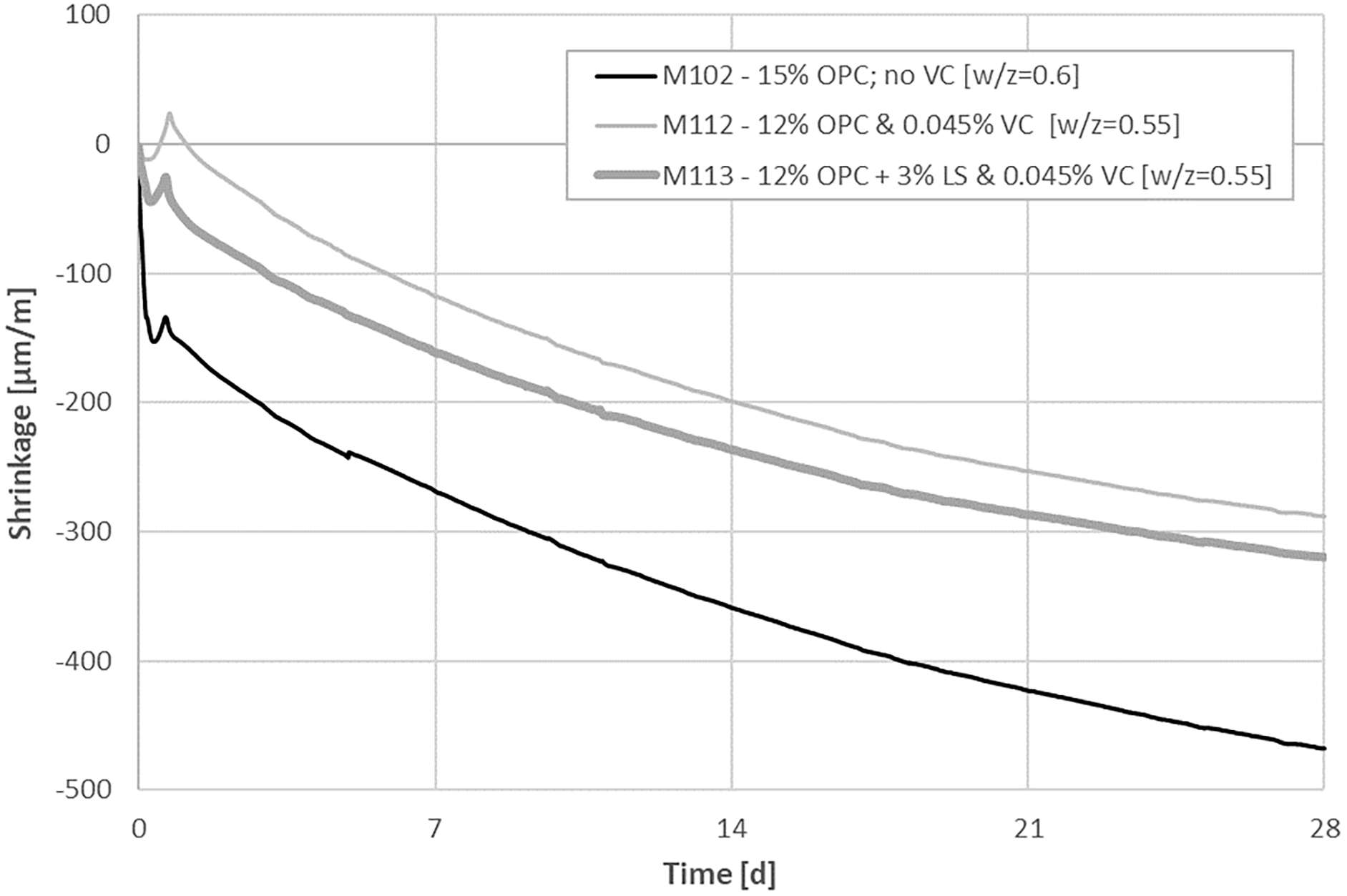
Figure 7 Influence of cement and water reduction in combination with PCE addition on shrinkage
As can be seen in Table 3, the reduction in cement also reduces the amount of water added if the water-cement ratio remains constant. In addition to savings in CO2 footprint, noticeable savings in drinking water consumption are therefore also enabled. At 35%, the water saving potential is not insignificant. The original mix M100 with a water-cement ratio of 0.7 requires 105 L of water per 1000 kg of dry mortar; by contrast, mix M112 contains only 66 L.
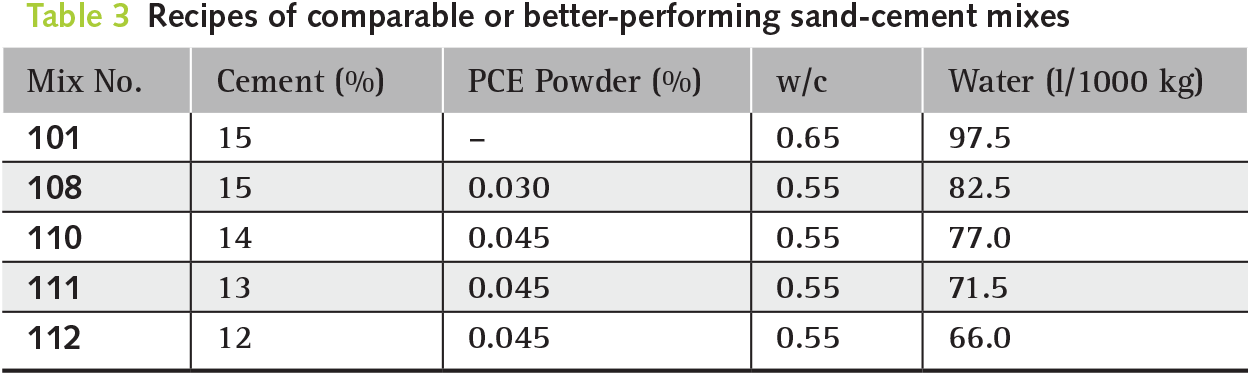
If you calculate the water saving for 1 million t of this simple sand-cement mortar, you get around 35,000 m3 of drinking water. This could supply approx. 650 people with drinking water for a year or fill approx. 175,000 bathtubs.
If these newly formulated products are used as screed mortar in accordance with EN 13813, the lower amount of water in the mix also means that they can be expected to dry more quickly and thus be ready for covering.
If we take the 150 kg of cement in the reference formulation (mixes M100/M101) and compare this with mix M112 with only 120 kg of cement, the CO2 footprint of this mortar can be reduced by almost 20% simply by using the high-performance superplasticiser (Table 4). With a 30 kg reduction in cement, it is also possible to achieve cost neutrality or even cost savings. If one assumes further price increases for cement, driven among others by their expenditures on CO2 certificates as well as investments for CO2 capture and storage, the need to act arises from this perspective alone.
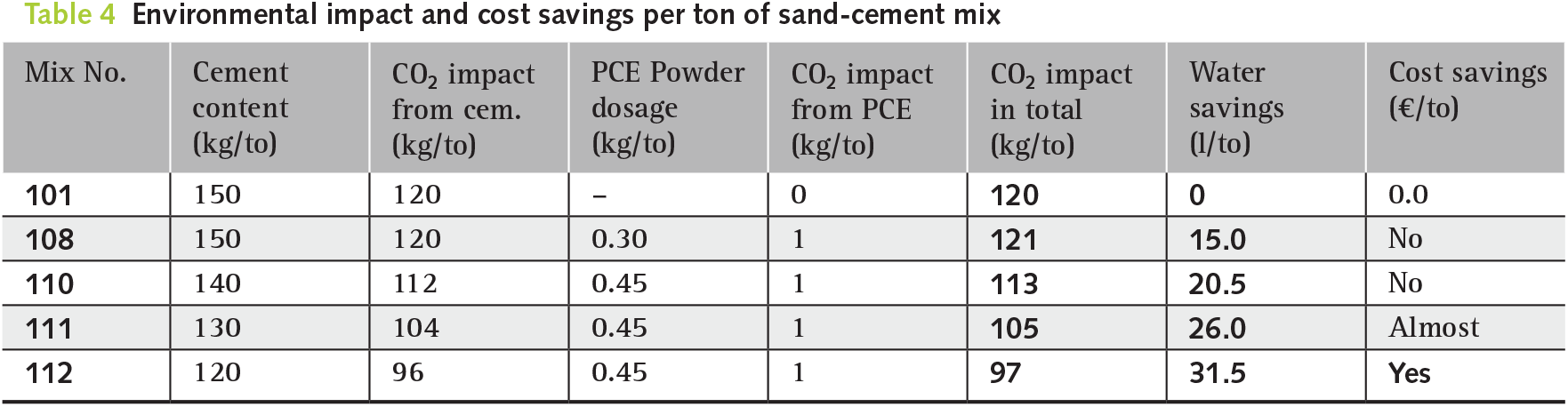
As the tests carried out show, a significant cement reduction of up to 20% is easily feasible by using modern high-performance superplasticisers. A further reduction potential of up to 40% is conceivable but depends on the raw materials and the mortar application requirements. The reformulation of cement-rich mortars by the targeted use of suitable chemical additives enables to improve fresh mortar properties, mechanical resistance and durability. Furthermore, it is currently a suitable measure for taking the first steps on the roadmap to CO2 neutrality and to reduce formulation costs.
The cement industry is aware of its responsibility and is working on new concepts to produce climate-neutral cements. It is obvious that this will not be cost-neutral. In view of the major upcoming changes, the dimension of the future cement price increases can hardly be predicted today. Dry mortar manufacturers must face up to the challenge today to be prepared for the future.
Authors
 Dr. Markus Mueller earned his PhD in Building Materials Science from Bauhaus University Weimar, Germany. Following several roles in the construction materials industry, he joined Sika in Zurich, Switzerland, in 2009 as a Corporate Product Engineer. He further holds an MBA from ETH Zurich. Today, he serves as Head of Sales for Sika’s European dry-mix mortar and gypsum additives business.
 Gerhard Lang studied Civil Engineering at the University of Applied Sciences in Karlsruhe, Germany. After holding various positions in the cement and dry-mix mortar industry, he joined Sika in 2012. Over the years, he held several technical and strategic roles and most recently led Sika’s European sales team for dry-mix mortar and gypsum additives. He retired in May 2026.