

Sustainable Cementitious Materials: From Laboratory Research to Industrial Practice
It is unfortunate that we live in today’s world, plagued by economic downturns, worsening climate conditions, and growing uncertainties. Nevertheless, striving toward sustainable development remains an obligation for every one of us.
Professionals and practitioners across the cement, lime, and gypsum industries, as well as researchers, producers, and manufacturers engaged in concrete and construction sectors, are working together. They aim to utilize solid waste resources, optimize production processes, and reduce the environmental impacts of the industrial chain across all links.
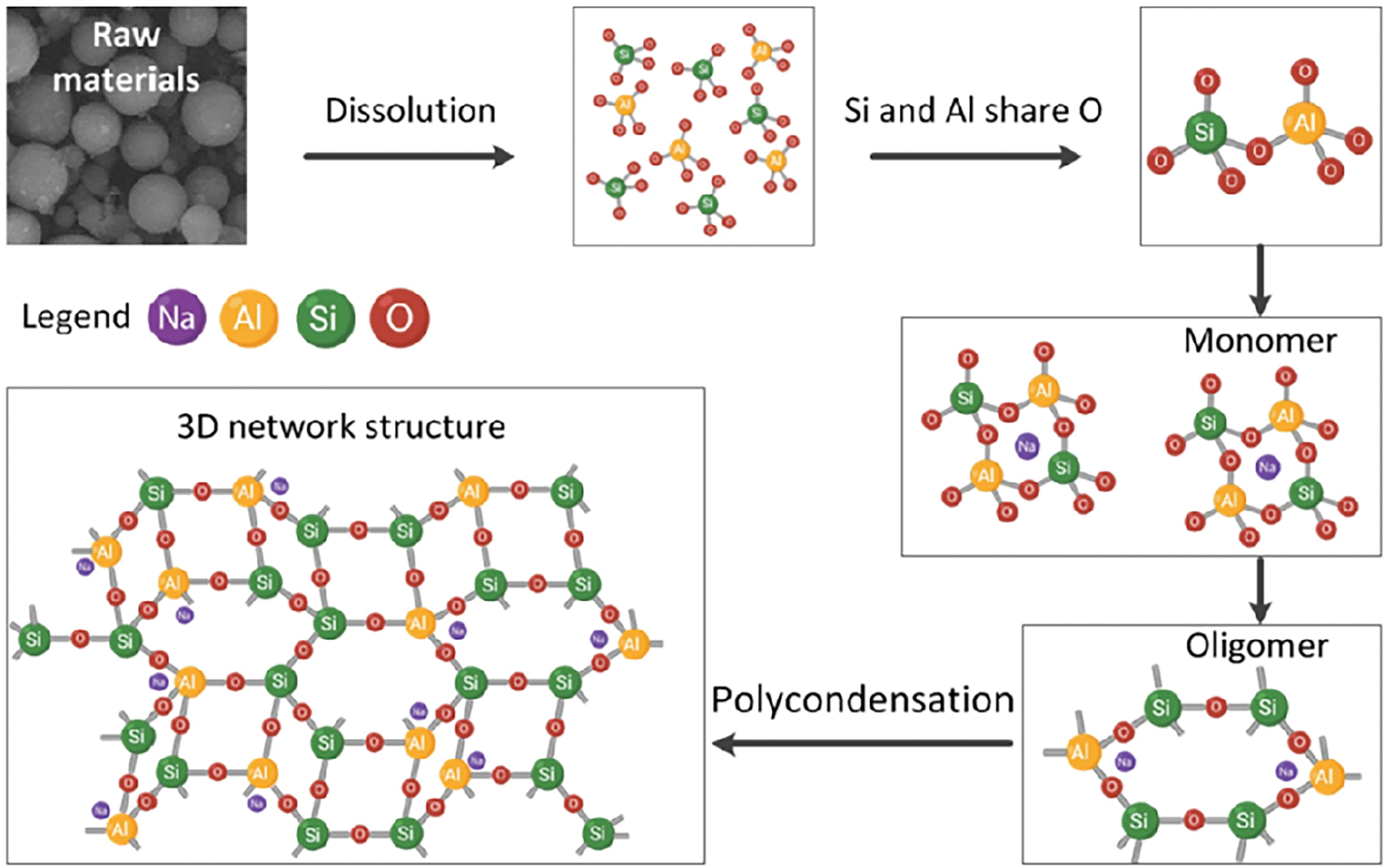
In this issue, you will encounter innovative ideas such as the reuse of marine sludge in geopolymers, technologies for producing artificial aggregates with engineering excavated clay, the application of hemp waste in concrete, and research on recycling waste gypsum from the petrochemical industry for low-strength materials.
You will also see that new sustainable projects continue to gain attention and funding. Novel cementitious materials, including LC3 cement and geopolymers, have moved beyond laboratory research and entered large-scale production and practical application. Leading global cement enterprises have delivered robust earnings amid prevailing uncertainties, and the cement industry maintains strong demand for professional talents. Hope lies in all these efforts.
Let us start with ourselves, every project, and every decision, to jointly build a sustainable cementitious materials industry.


Zuhua Zhang
Editor-in-chief
 |
Copyright © 2026 The Author. Published by Tech Science Press. This work is licensed under a Creative Commons Attribution 4.0 International License, which permits unrestricted use, distribution, and reproduction in any medium, provided the original work is properly cited. |