
ECOCEM GLOBAL

Ecocem and TATA Steel will collaborate to valorise steel slag
images

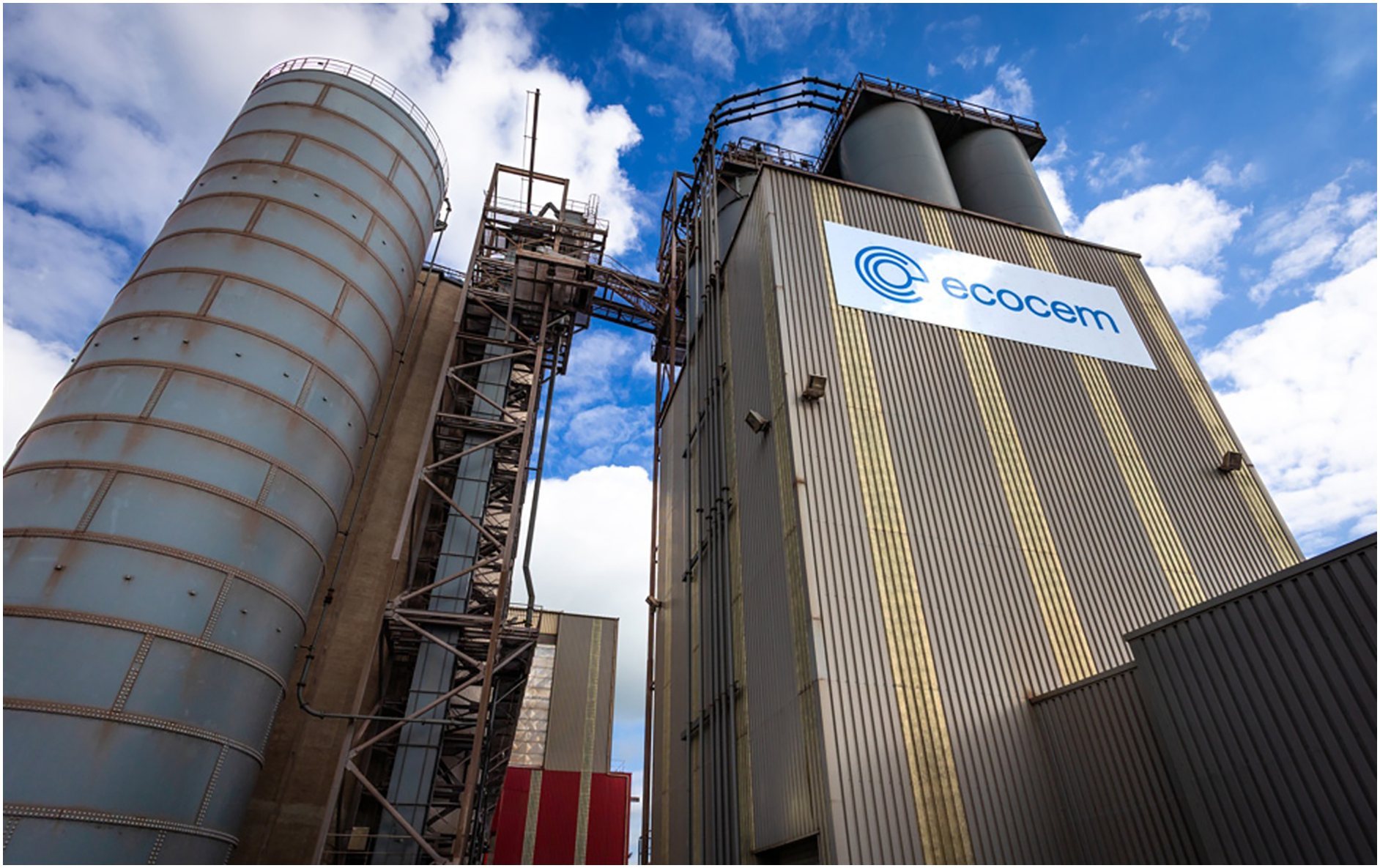
Photo: Ecocem production facility (Source: Ecocem Global)

Ecocem, a pioneer in low-carbon cements with 25 years of experience, and Tata Steel IJmuiden in the Netherlands have signed a Memorandum of Understanding (MoU) to advance the use of Basic Oxygen Furnace (BOF) and Electric Arc Furnace (EAF) steel slags as next-generation materials in low-carbon cement as Supplementary Cementitious Material (SCM). The MoU aims to reduce CO2 emissions from cement by lowering clinker use, advancing circularity across steel and cement value chains, and expanding access to low-carbon concrete solutions across Europe.

The MoU builds on an existing joint research program and sets out a shared intention to explore new technical, commercial, and regulatory pathways for the valorisation of these steelmaking slags produced at Tata Steel IJmuiden. Tata Steel in the Netherlands is part of the Tata Steel Group with other production sites in Europe and worldwide. By replacing clinker with steel slag, the cement industry can significantly cut CO2 emissions while giving industrial by-products a more valuable and circular use. Ecocem operates from two plants in France, as well as sites in the Netherlands and Ireland, producing over two million tonnes of low-carbon cement each year.

Pieter Roelofsen, Director Strategy, M&A and Partnerships at Tata Steel Nederland said: “This Memorandum of Understanding reflects a shared ambition to support the transition to more sustainable construction materials and by exploring innovative applications of steel slag, a condition for the successful delivery of our Green Steel Project, we aim to contribute to circular value chains while supporting the decarbonization of both the steel and cement industries.”

Olivier Guise, Executive Director of Strategy, Technology and Business Development at Ecocem, added: “This type of collaboration has the potential to be transformative for the global cement industry. Together, we are investigating how two underutilised by-products from steel manufacturing could become next-generation alternative cementitious materials, helping reduce emissions while creating value from materials that would otherwise go unused. This is exactly the kind of cross-industry innovation needed to accelerate the transition to a circular, low-carbon economy and reshape the future of sustainable construction.”

https://www.ecocemglobal.com/tata-steel-ijmuiden-and-ecocem-sign-mou/

images Copyright © 2026 The Author. Published by Tech Science Press.
This work is licensed under a Creative Commons Attribution 4.0 International License, which permits unrestricted use, distribution, and reproduction in any medium, provided the original work is properly cited.

Related articles:

Issue 05/2026 OneStone Consulting Ltd.

Valorisation of global steel slags for cement and concrete

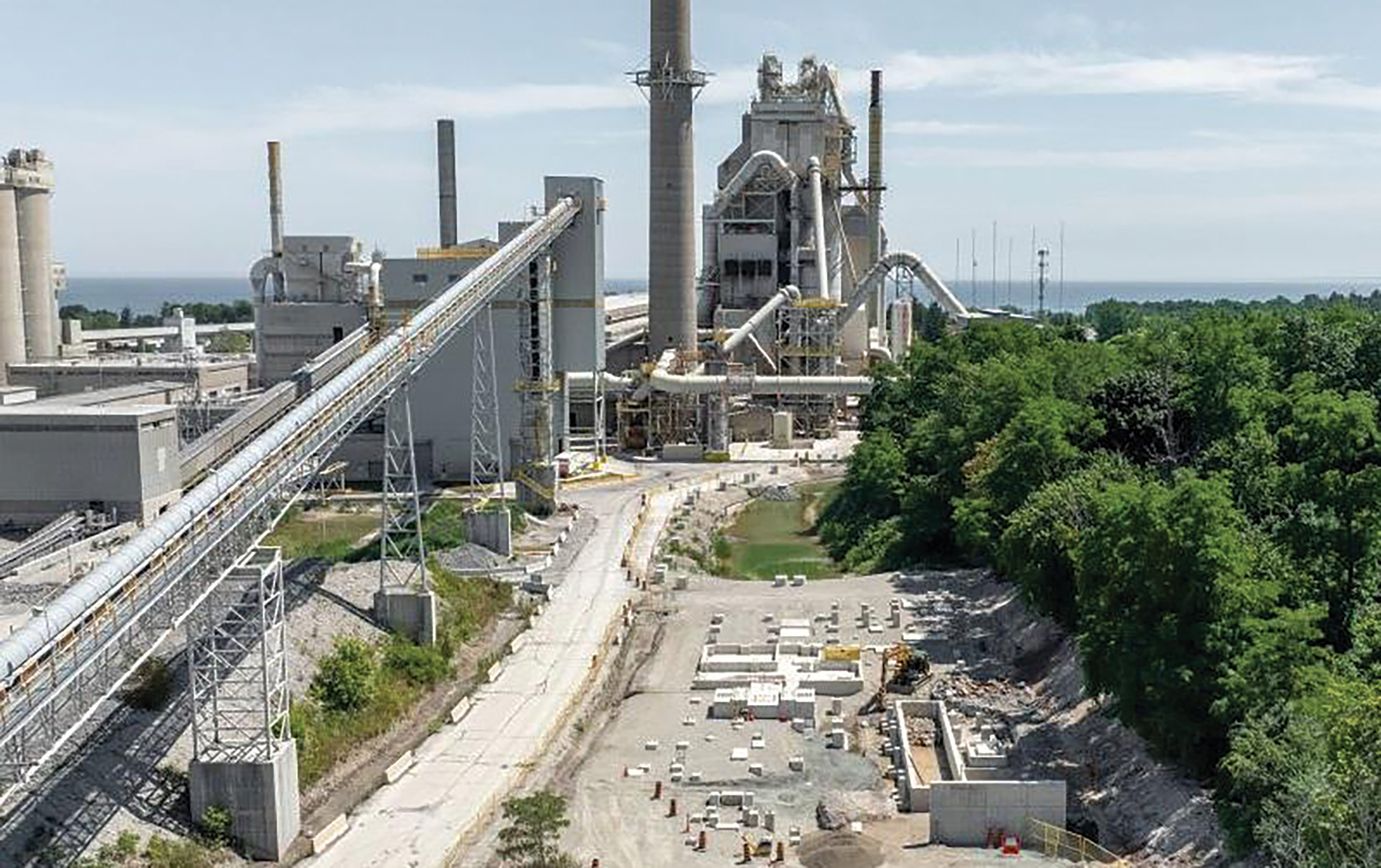
Ash Grove Mississauga cement plant with steel slag valorisation construction site (Carbon Upcycling) In several world areas, traditional SCMs are becoming more difficult to source. Steel slags such as BOF and EAF slags are widely available, but they have no or little cementitious properties...

more
Issue 05/2026 Nanjing Tech University

Industrial demonstration of low-carbon supplementary cementitious materials prepared via CO2-mineralization of steel slag

1  Background Addressing global climate change and achieving China’s “Dual Carbon” goals represent pivotal historical imperatives for the current building materials industry. As major carbon emitters, the green and low-carbon transition of the cement and concrete...

2-mineralization of steel slag">more
Issue 04/2026 MAGSORT

Magsort substitutes limestone in the clinker production by using steel slags

Photo: First batch of clinker from Zero-Slag raw material (Credit: Magsort) At the 18th Global Slag Conference April 14–15 in Istanbul, Finnish Magsort presented their latest results on the substitution of limestone in the clinker production. Although limestone is cheap and abundant, the...

more
Issue 01/2026 REVIEW

Advances in steel slag modification and synergistic mechanisms via multi-source solid waste integration for performance enhancement

Steel slag (SS), a major solid by-product of the steel industry, holds significant potential for use in construction materials due to its high calcium content and latent pozzolanic activity. However, its large-scale utilization is limited by challenges such as low reactivity and poor volumetric...

more
Issue 08/2024 EUROSLAG

Euroslag conference in Bilbao on the future of iron and steel slags

The transformation of the steel industry to largely low-CO2 manufacturing processes also has a massive impact on the by-product ferrous slag. The 12th Euroslag conference in Bilbao from October 23 to 25, 2024, focused on the challenges facing science and industry and the solutions already available today.

more
Issue 04/2024 WO 2024/077681 A1

Preparation method for and use of efficient and environment-friendly composite steel slag activating agent

(22) 03.11.2022(43) 18.04.2024(57) A preparation method for an efficient and environment-friendly composite steel slag activating agent. The composite steel slag activating agent is prepared from the...

more
Issue 1/2024 WO 2023/198871 A1

Method for manufacturing cement clinker using stainless steel slag

(22) 14.04.2023(43) 19.10.2023(57) In the method for manufacturing cement clinker raw materials which include at least one stainless steel slag material are calcined and burned to produce the cement...

Method for manufacturing cement clinker using stainless steel slag">more
Issue 5/2023 WUHAN UNIVERSITY OF SCIENCE AND TECHNOLOGY

Effect of sodium sulfate/nano C-S-H composite on steel slag-cement hydration under steam-curing conditions

In this paper, the influence of sodium sulfate/nano-C-S-H (NC) composite on the compressive strength of a steel slag (30 wt.%)-cement system is explored under the conditions of steam curing, with the...

more
×