

Valorisation of global steel slags for cement and concrete
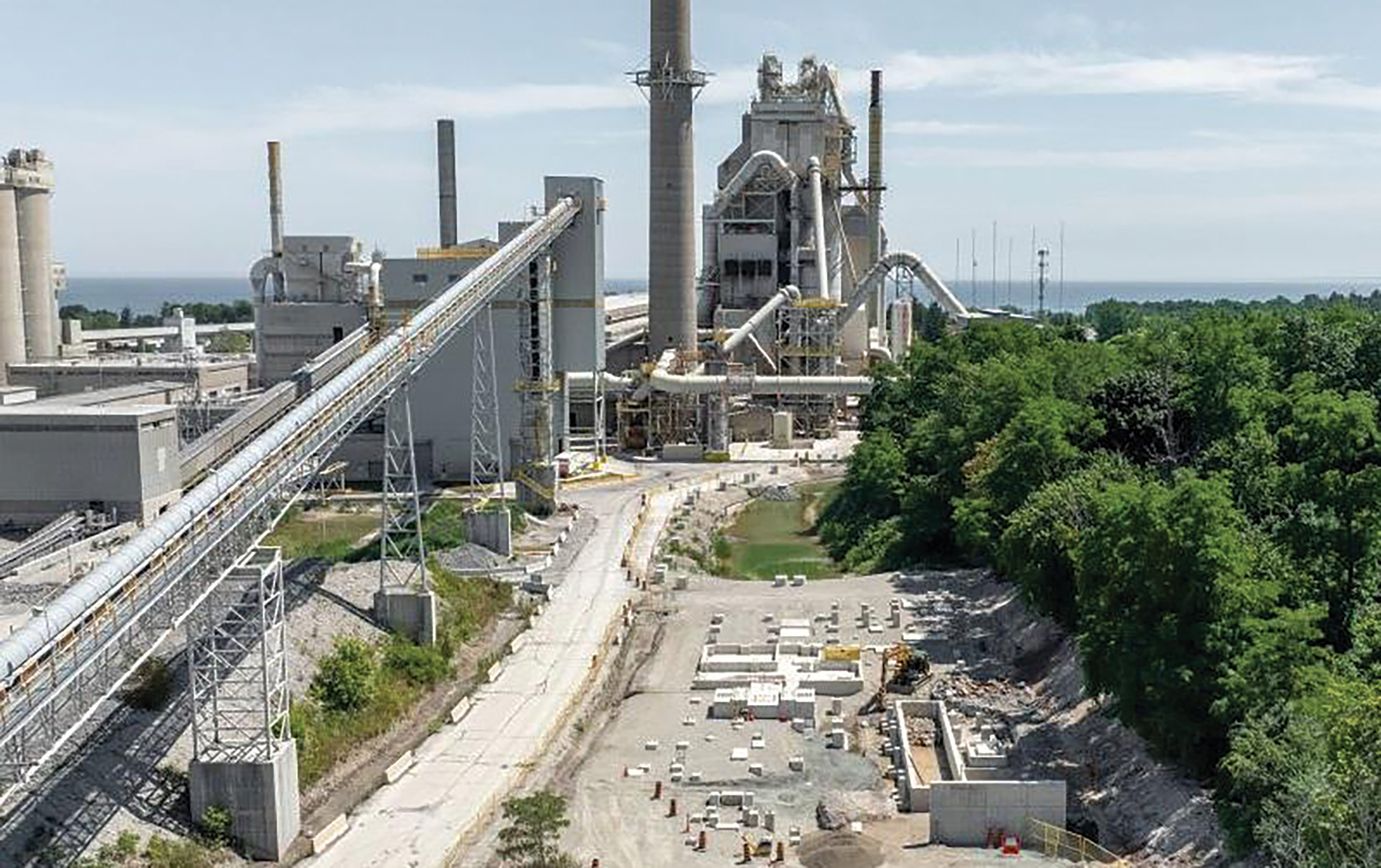
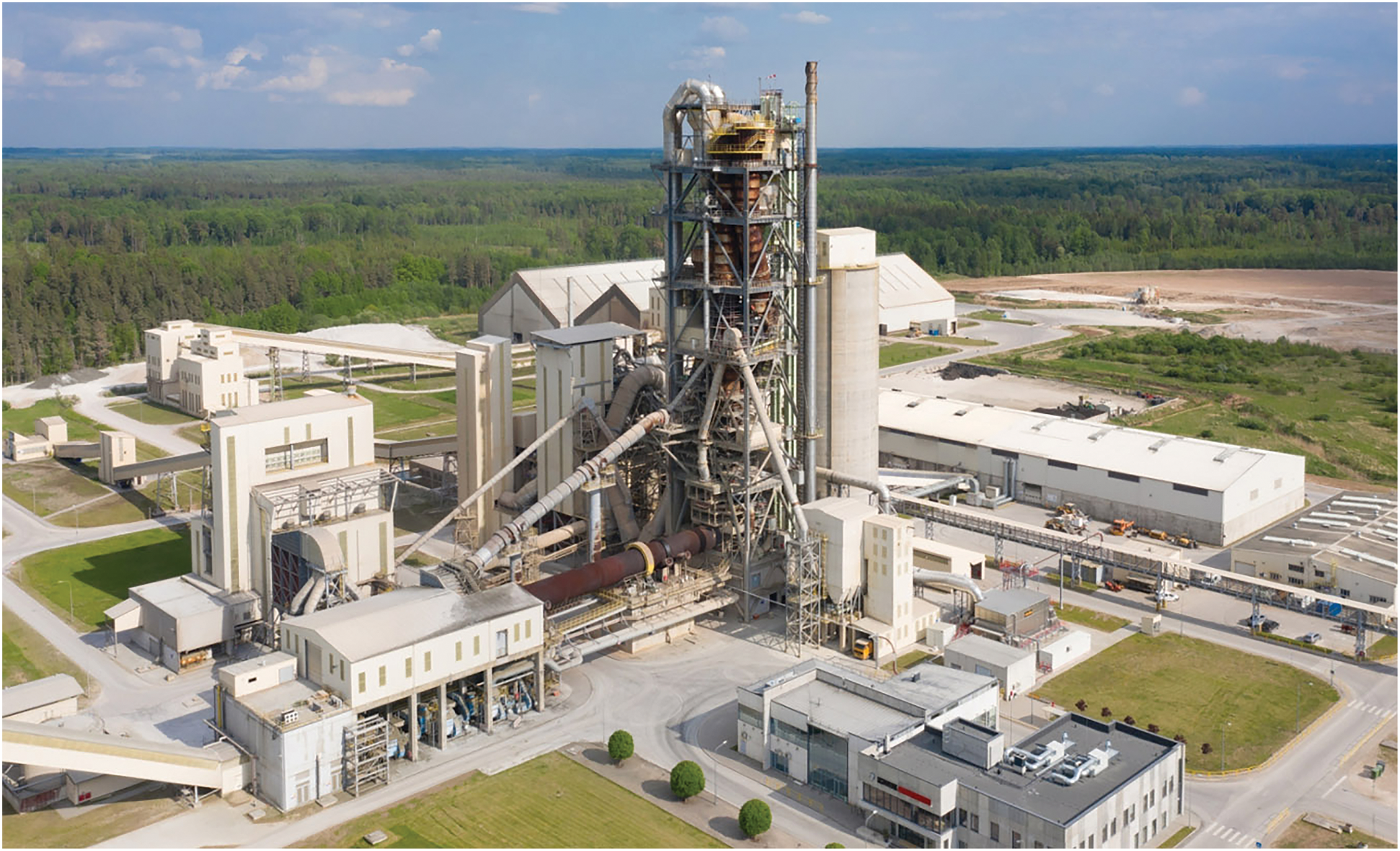
Ash Grove Mississauga cement plant with steel slag valorisation construction site (Carbon Upcycling)
In several world areas, traditional SCMs are becoming more difficult to source. Steel slags such as BOF and EAF slags are widely available, but they have no or little cementitious properties. However, the valorisation of such steel slags can be a game changer. In this market review, the existing and upcoming technical and market trends are outlined.
CO2 emissions from the cement production process can be significantly reduced if the clinker content is significantly lowered [1, 2]. This is becoming even more important, because carbon capture, utilisation and storage (CCUS) systems are costly, complicated and far behind earlier projections [3]. The problem is that in some areas of the world production of fly ashes and blast furnace slags is declining due to the transition of the power plant and steel industry, so that the traditional supplementary cementitious materials (SCMs) are becoming more difficult to source in regions such as W. Europe. Accordingly, to overcome this situation, fly ash is harvested from ash ponds and beneficiated. However, up to now this has had only a little impact and is mainly used in the USA and the UK, where over a long time period wet de-ashing has been the technology for cf-power plants. Furthermore, it has to be noted that the production of calcined clay as a replacement for clinker is a very favourable technology, but up to now it is also lagging far behind the projections [4, 5].
Steel slags are widely available. Using data from the Word Steel Association for the crude steel production in 2025 and the average specific amounts for BOF and EAF slags result in millions of tons of such slags for each year [6]. According to Figure 1, about 257.9 million tons (Mta) of steel slags were produced worldwide in 2025. About 62.8% are BOF slags, while 37.2% of EAF slags were produced. Accordingly, there is a huge potential for using them as a next-generation feedstock in the cement and concrete production if a valorisation of these steel slags is possible. What sounds relatively simple requires different technologies to remove minor unwanted slag ingredients such as V2O5, TiO2, Cr2O3, SO3, Na2O, K2O etc. and, on the other hand, to increase the glassy and amorphous content of the slags, in order to raise the hydraulic potential and to use them as SCM. Hundreds of researchers have already worked on the topic and since the cement industry participated, a new era began.
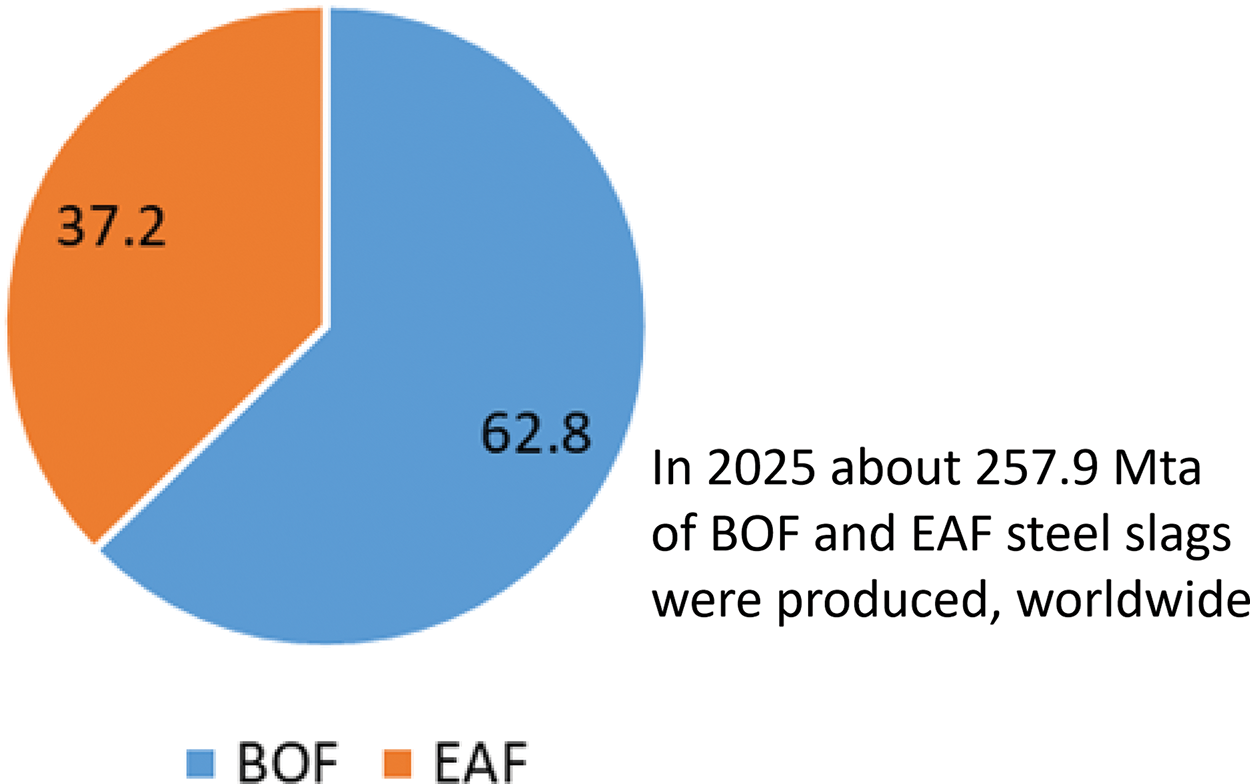
Figure 1 Production of steel slags 2025 (World Steel Association)
2 Steel slag projection up to 2035
Figure 2 shows a projection for the future crude steel demand from the World Steel Association (WSA) and the International Energy Agency (IEA). According to the WSA, the global crude steel demand is projected to grow by a CAGR of 1.3–1.5% by 2050. However, the growth will depend massively on the decarbonisation strategies, the used steelmaking technologies, as well as the availability of high-grade iron ores and steel scrap. The IEA baseline scenario results in a higher crude steel demand, while the IEA net-zero projection results in a lower projection than that of the WSA. Anyhow, in 2030, the IEA projections only deviate by 6.9% between the highest and lowest production. The major steelmaking process routes are illustrated in Figure 3 and can be split into the conventional integrated BF-BOF route (blast furnace and basic oxygen furnace), which is highly carbon dependent, and the DRI-EAF route (direct reduction iron-electric arc furnace), which allows a low-carbon approach [7].
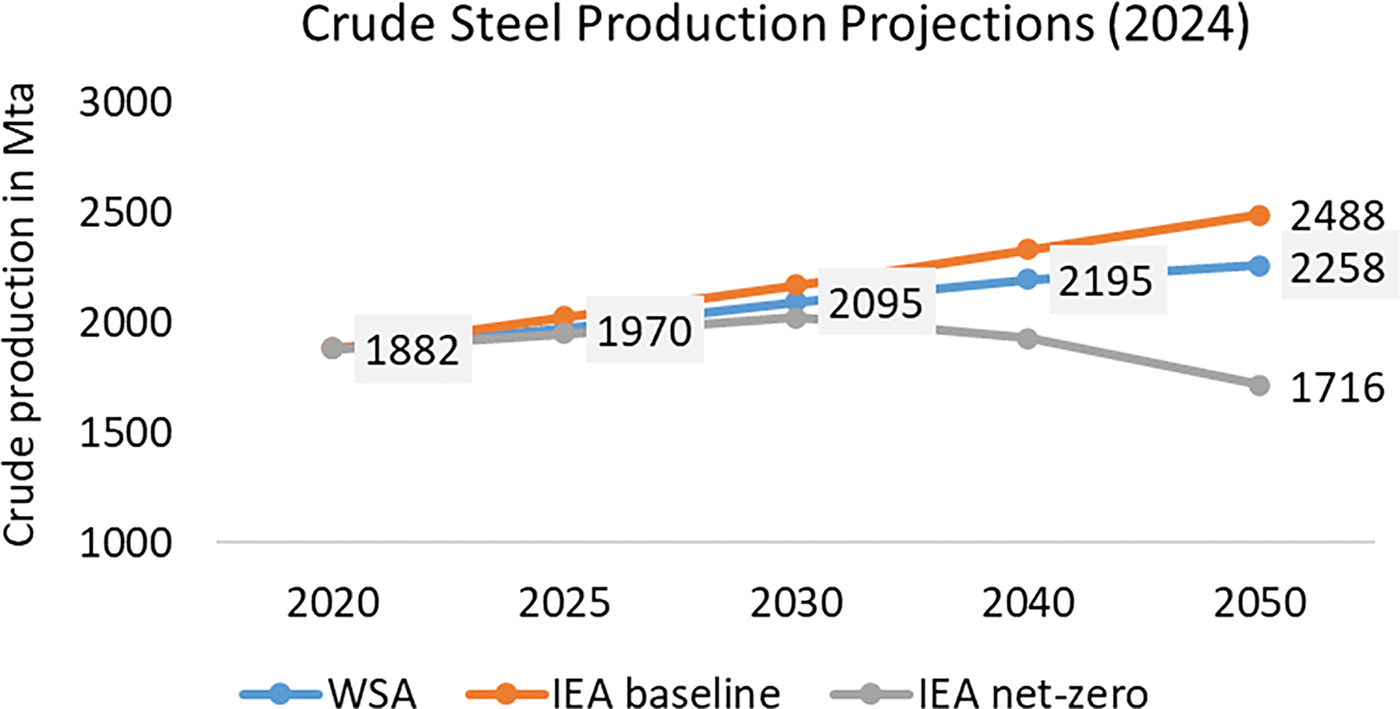
Figure 2 Projection of future crude steel demand (WSA, IEA)
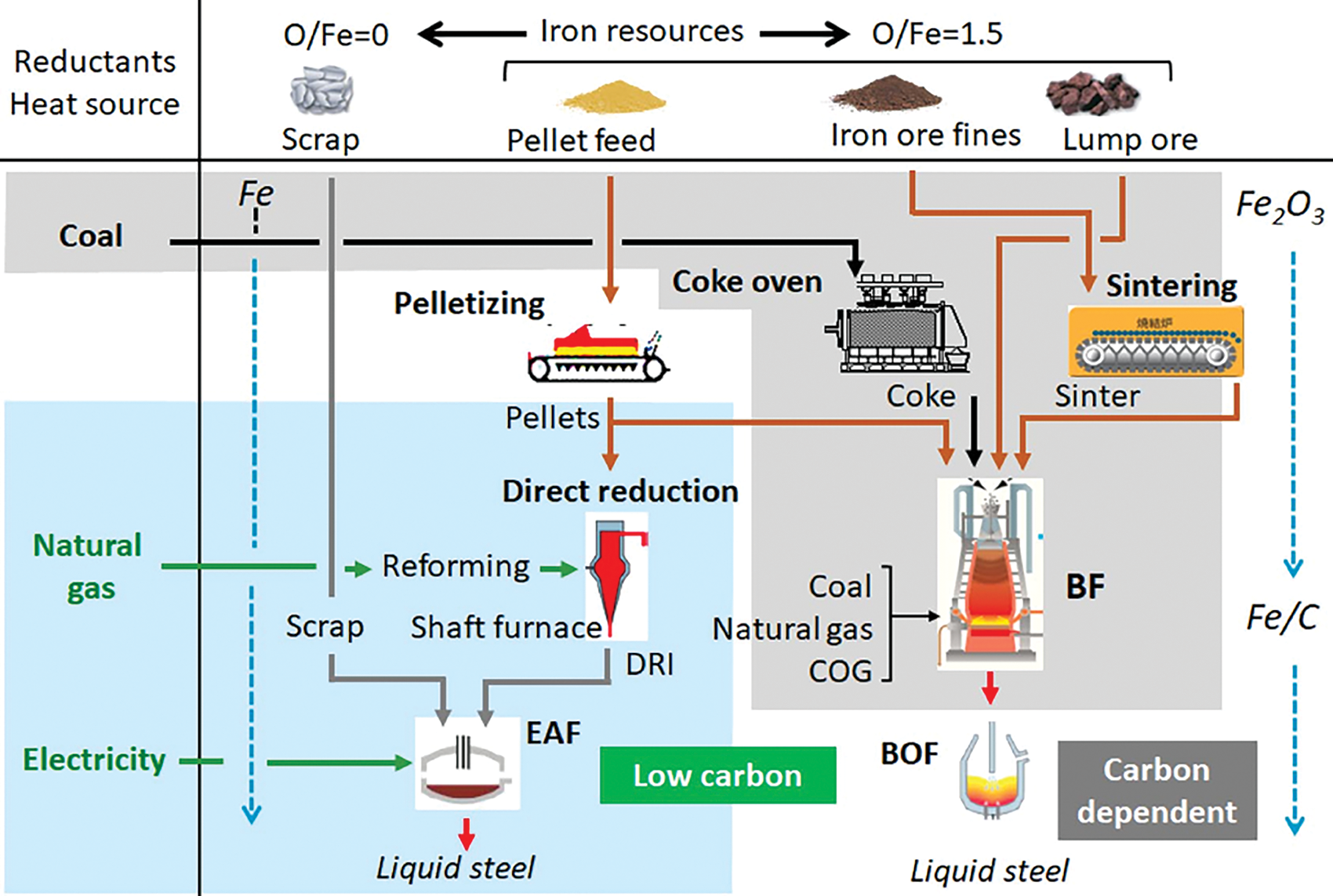
Figure 3 Major steelmaking processes [7]
Today, the conventional integrated steelmaking route still dominates the world market with about 69.8% in 2025 (Figure 4). The shift towards EAF steelmaking is accelerating, from about 29.8% in 2025 to 38.2% by 2035, driven by new capacity in the EU, USA and north-east Asia [8]. In India and SE Asia however, also new BF-BOF capacity will be added. Decarbonisation measures will increase the EAF (DRI/HBI) and scrap consumption. It has to be noted that the steel industry can be segmented into hemispheres. The Western hemisphere (Europe, America, Africa) accounts only for about 20% of the iron-ore demand, with a robust demand from high-grade iron ores, while the Eastern hemisphere accounts for about 75% of the iron-ore and mainly uses the BF-BOF process route. We also see the policy incentives, especially in the EU, to support decarbonisation and clean energy, while in Asia net-zero targets are longer dated and incentives are provided for BF with hydrogen technologies.
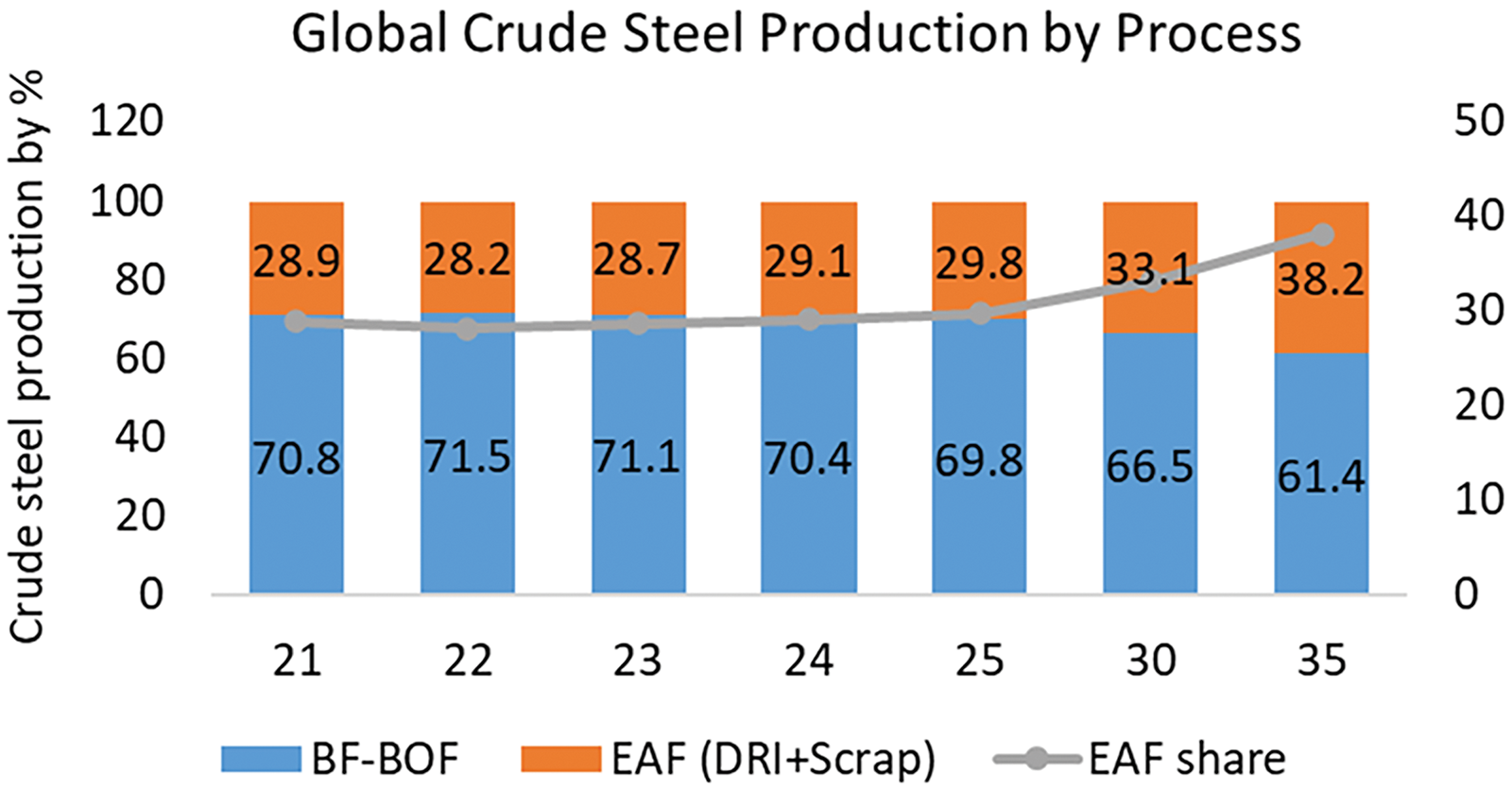
Figure 4 Share of major steel making process routes (Midrex)
Anyhow, worldwide, there is a clear shift to DRI-EAF steelmaking [8]. Figure 5a shows the simplicity of the 2-stage process route. The technology has been well established since 1972 and is used today for about 30% of the crude steel production. This reduces CO2 emissions by between 50 and 90%, compared to conventional BF-BOF routes. As a byproduct from the process, EAF slag is produced. However, for a high-efficiency process high-grade iron ores with >61% Fe-content or steel scrap are required. Worldwide, such high-grade iron ores are not available. Accordingly, the steel companies and their suppliers have developed a 3-stage DRI-smelter technology (Figure 5b), for processing the available lower-grade iron ores [9]. This can reduce CO2 emissions by up to 78% compared to conventional BF-BOF routes. However, this breakthrough technology is just in the introduction stage and the produced SAF-slags (similar to GBFS) and BOF slags will be available in only negligible amounts by 2035.
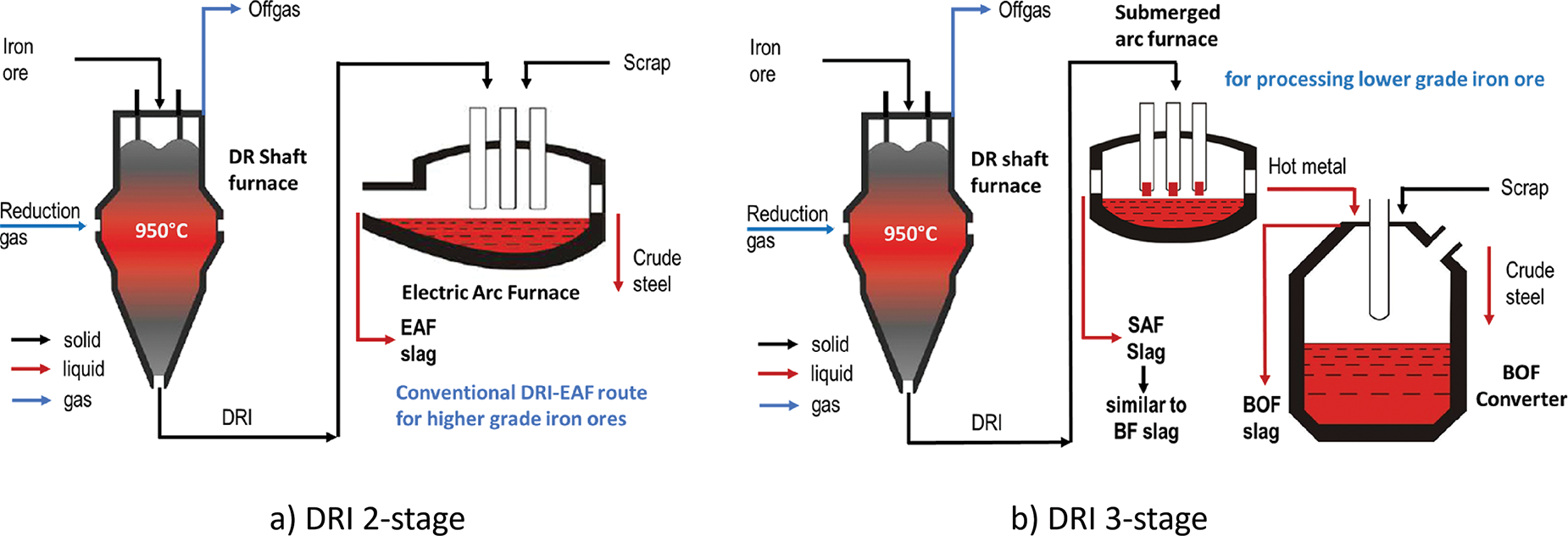
Figure 5 2- and 3-stage DRI processes (OneStone Consulting)
Figure 6 shows the projection of the BOF slags from the BF-BOF route. The WSA data result in a BOF slag quantity of 162 Mta for 2025, while the real data, which are mainly derived from the data from the Slag and Steel Associations in the main countries, amount to 179.0 Mta [10]. The difference between real and average data results in a delta in the specific BOF slag rates of 13.3 kg/t of crude steel. The BOF slag volumes (real data) will decline from 195.9 Mta in 2021 to 150.7 Mta by 2035, which corresponds to a decline of −44.9%, mainly because of the decline in BF/BOF technology. This has consequences especially in the EU (27+1) where the BOF slag volumes will decline from 9.23 Mta in 2021 to only 3.07 Mta by 2035. BOF slag volumes will also largely decline in North America and China, while in Other Asian countries BOF slag volumes will increase from 30.6 Mta in 2021 to 32.3 Mta by 2035 [10].
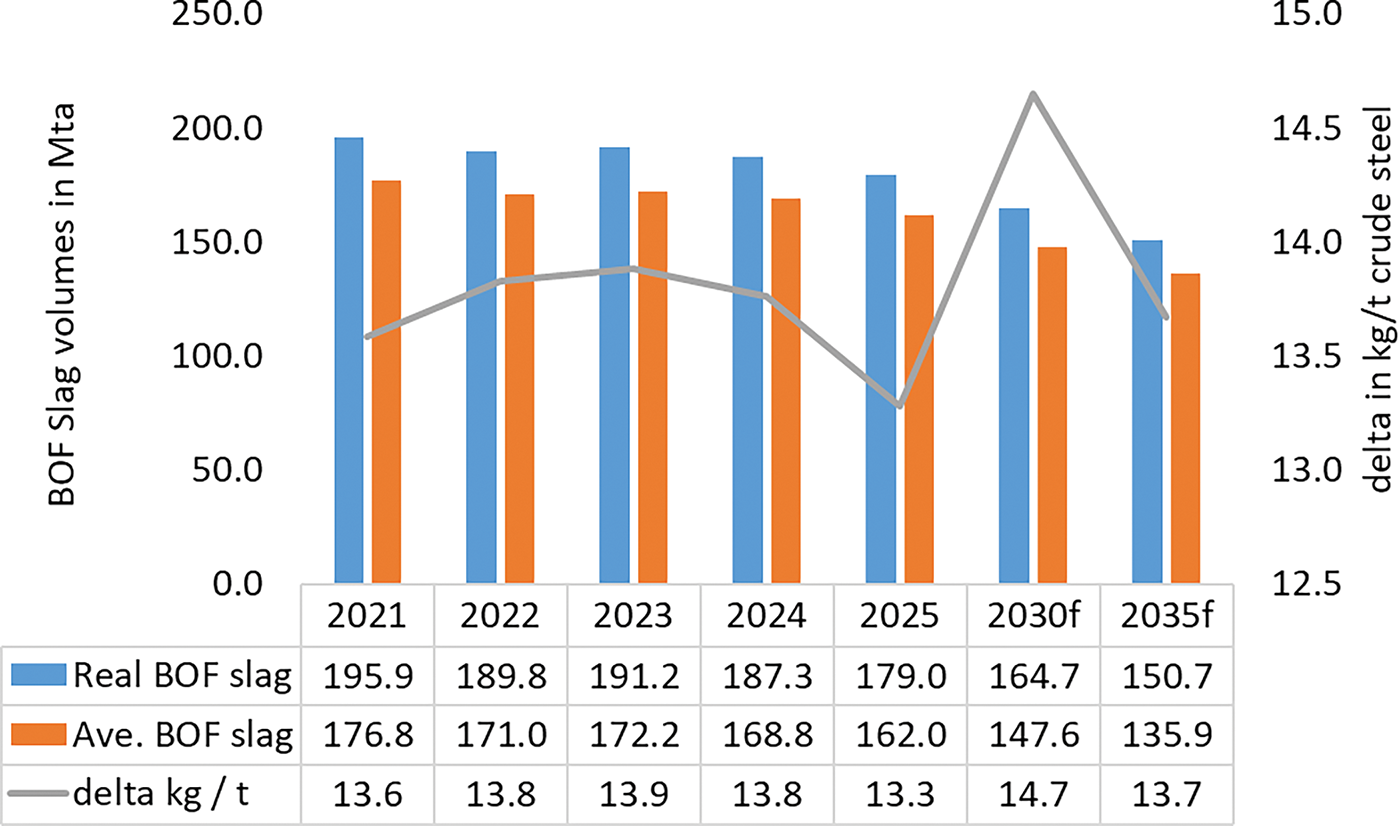
Figure 6 Projection of BOF slag development (OneStone Consulting)
A different picture can be given for EAF slags (Figure 7). The data provided by the WSA will result in 89.7 Mta EAF slag by 2025, while the real data for 2025 are closer to 81.1 Mta EAF slag [10]. The difference in the specific EAF slag amount is −14.1 kg/t of crude steel, mainly due to the fact that today about 70% of the EAF steel production is made from steel scrap, which has a lower specific slag rate than EAF slag from the DRI-EAF process. However, in our projection, the real global EAF slag volume will increase from 79.5 Mta in 2021 to 98.0 Mta by 2035. Huge increases will be in China and Other Asian countries with 17.56 and 23.59 Mta, respectively, in 2021 and 23.9 and 30.58 Mta, respectively, by 2035. In the Middle East there is a growth from 6.31 Mta in 2021 to 9.33 Mta by 2035. In the EU (27+1), despite the new EAF capacity the EAF slag rates will stagnate, due to the decline in the crude steel production by 2035.
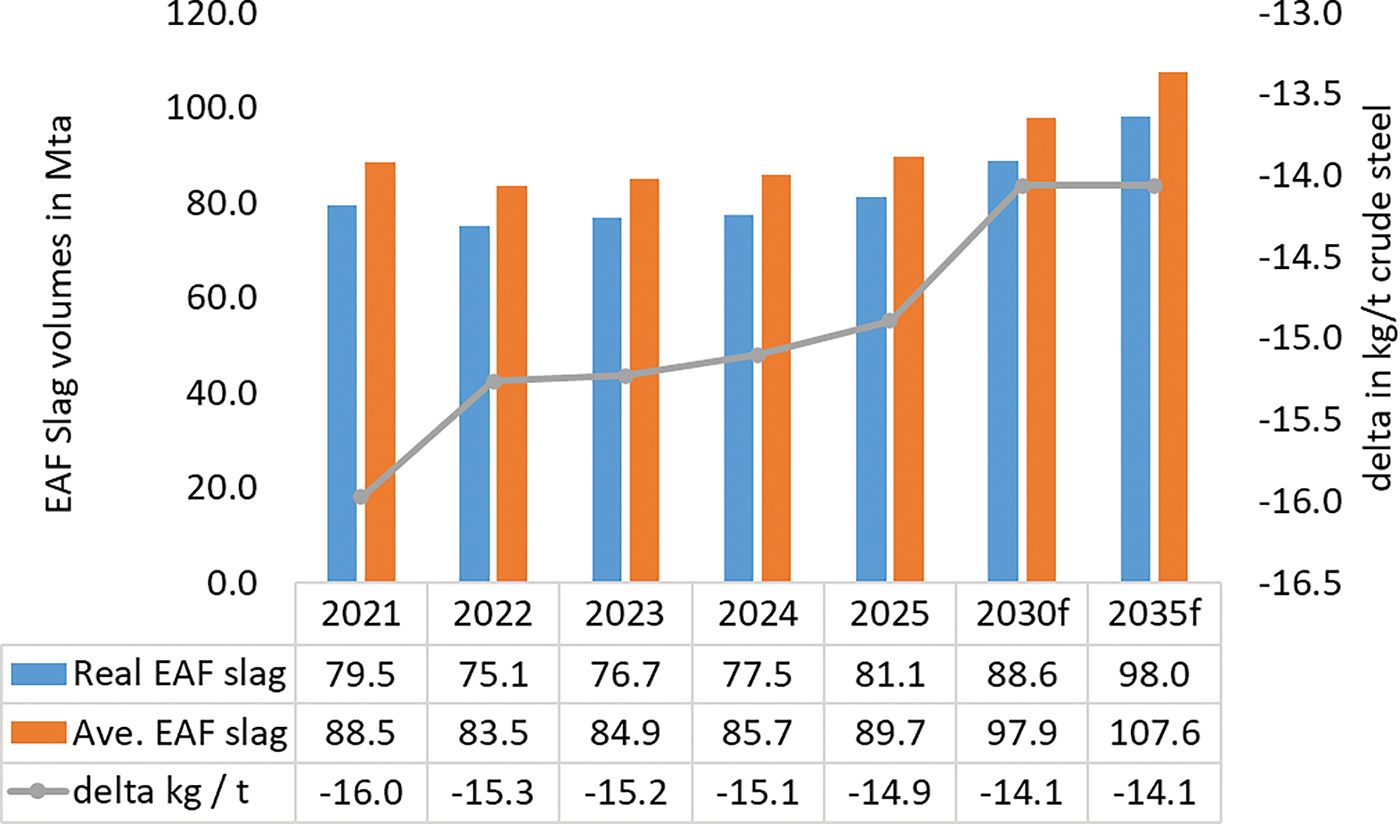
Figure 7 Projection of EAF slag development (OneStone Consulting)
3 Technology trend update 2035
Up to now, hundreds of universities and institutions have been active on the valorisation of steel slags [11]. A new momentum was created when the cement industry became involved in the process to substitute other supplementary cementitious materials and clinker in the cement production. Figure 8 gives an indication of what average prices for granulated blast furnace slags (GBFG) can be achieved when they are used as SCMs and not as aggregates or binders [10]. The advanced BOF and EAF steel slags shall have similar behaviour and hydraulic properties to the GBFS and accordingly the prices for the advanced slags can exceed the conventional ones by a factor of 3 to 5. Especially in Europe, several cement majors participated in projects for steel slag valorisation with some engineering solution providers already on the market or considering entering the market.
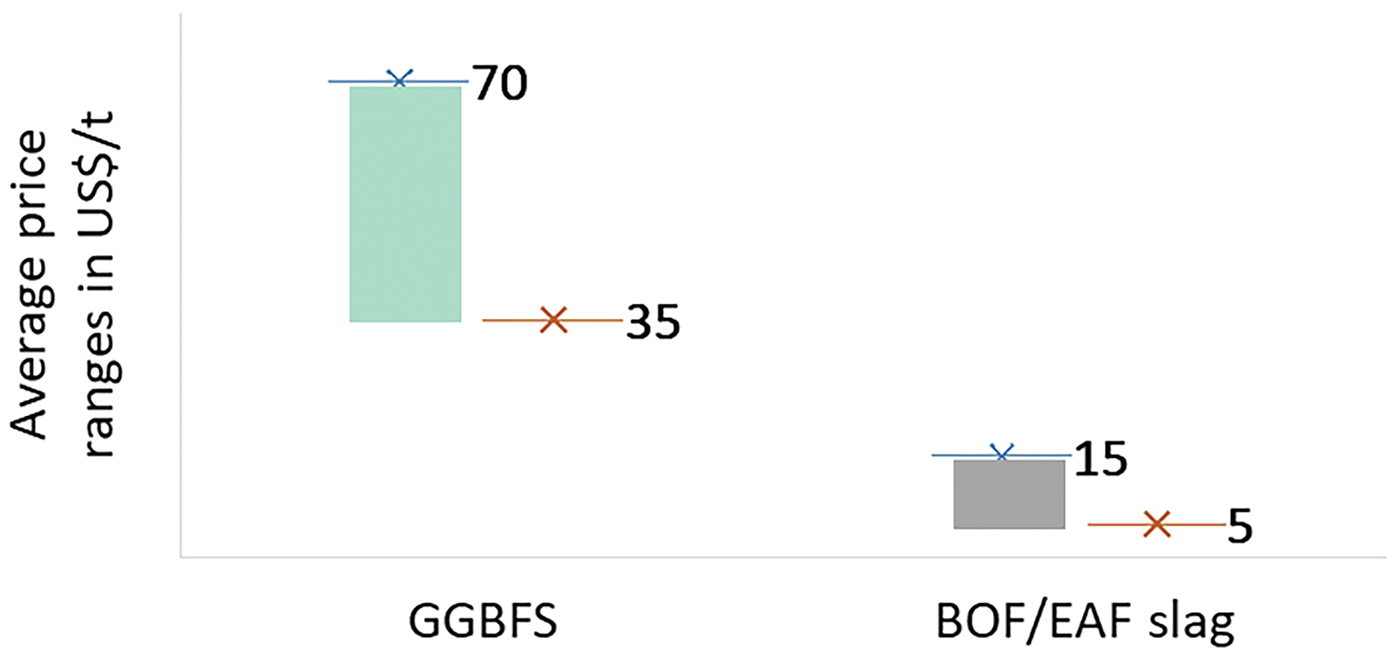
Figure 8 Average prices for different kind of slags [10]
There are several possible slag treatment options available [12–14]. What is most appropriate depends on the physicochemical properties of the steel slags. BOF and ERAF slags can have very different properties in different world regions and even from one steel plant to the other. The ZKG article [4] provides the chemical, physical and mineral properties of steel slags from different locations. The reactive constituents and the microstructure of steel slags are also different. While steel slags exhibit similarities to clinker in their major chemical composition, their relatively low reactivity, coupled with their low compressive strength formation, is the main concern with regard to their utilisation as SCM. To address these limitations, five principal activation strategies have been developed [12]: Mechanical activation, chemical activation, thermal activation, carbonation activation, and in-situ modification activation.
A more practical approach for EAF slags, which is applied at steelworks (Figure 9) has been provided by Tata Steel [15]. The steambox technology for the slag treatment provides faster cooling times, reduced water and energy consumption and more efficient slag sizing. However, even with metal recovery (MRP) and reduction processes which allow the extraction of Fe, Mn, V, Cr and Mg-Oxides to recover metal, the slags do not have sufficient cementitious properties for utilisation as SCMs. The technical readiness level (TRL) of 9 shows that the technology is fully developed. Anyhow, hot slag modification by using sand injection followed by slag smelting and granulation, only obtains a glassy granulate with hydraulic properties. Silica addition aims to reduce the phase complexity in the slag and to reduce or eliminate the free CaO. Accordingly, sand injection has achieved a TRL 9, but the other technologies are still under prototype development (TRL4).
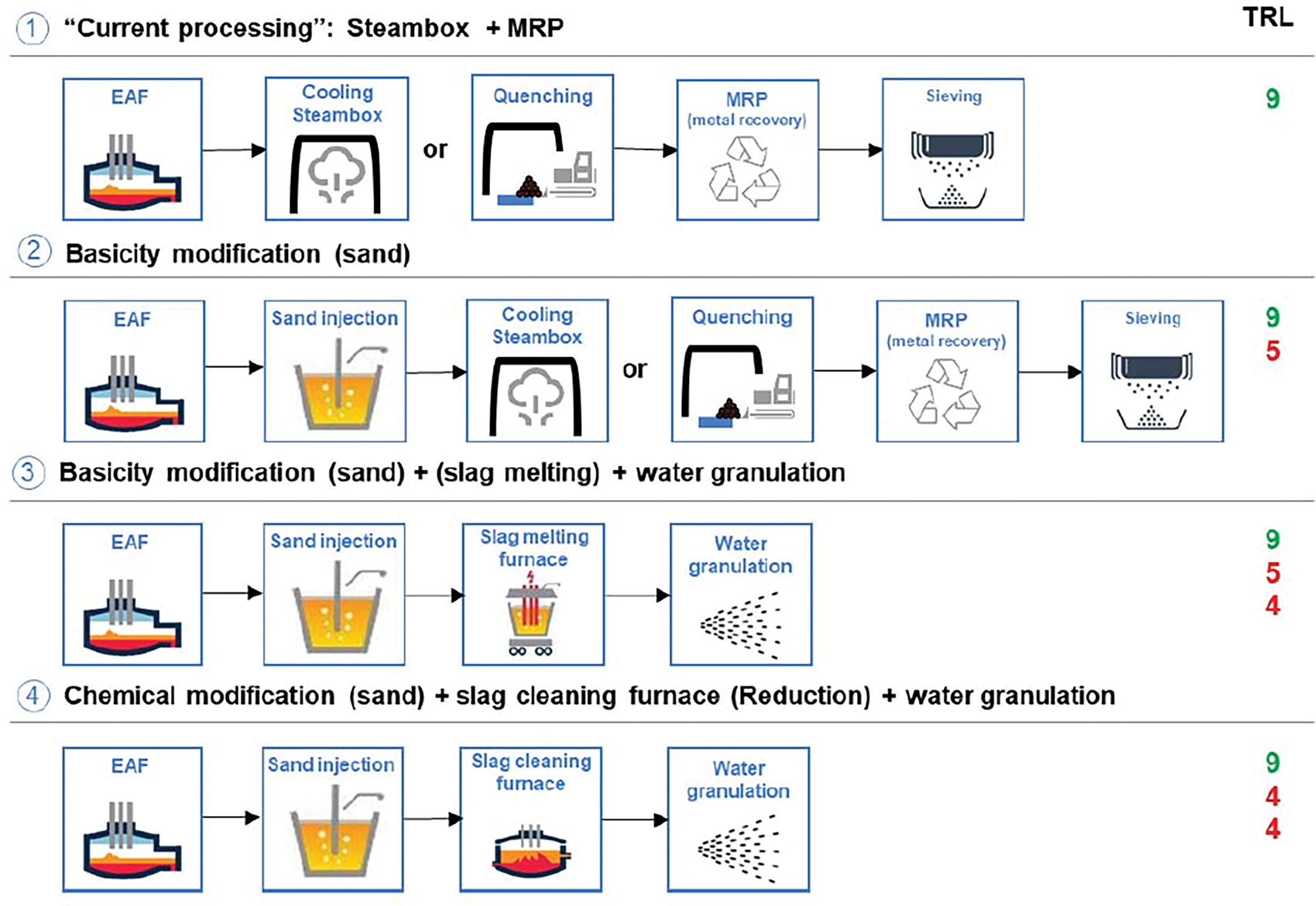
Figure 9 Slag treatment options at the steelwork (Tata Steel)
In contrast, SAF slags, which are the by-products of the DRI-smelter, only need a minimum treatment (Figure 10) when compared to BOF- or EAF slags [15, 16]. The reason is that the smelting process produces slags that are widely comparable to GBFS. Tata Steel produced positive results with such slags at its HiSarna® plant in Ijmuiden in Belgium. Tests with 50% slag and 50% CEM I confirmed good SCM properties, however the strength development was slightly lower than that of GBFS. The project was coordinated by the FEhs-Institute, and Heidelberg Materials was a partner from the cement industry. The problem with HiSarna® by Tata Steel, DRI/Smelter technology by Primetals, or the slag valorisation furnace by METIX/SMS, is that these technologies are still under development. A significant impact of SAF slags on the production of steel slags by 2035 can therefore not be expected [10].
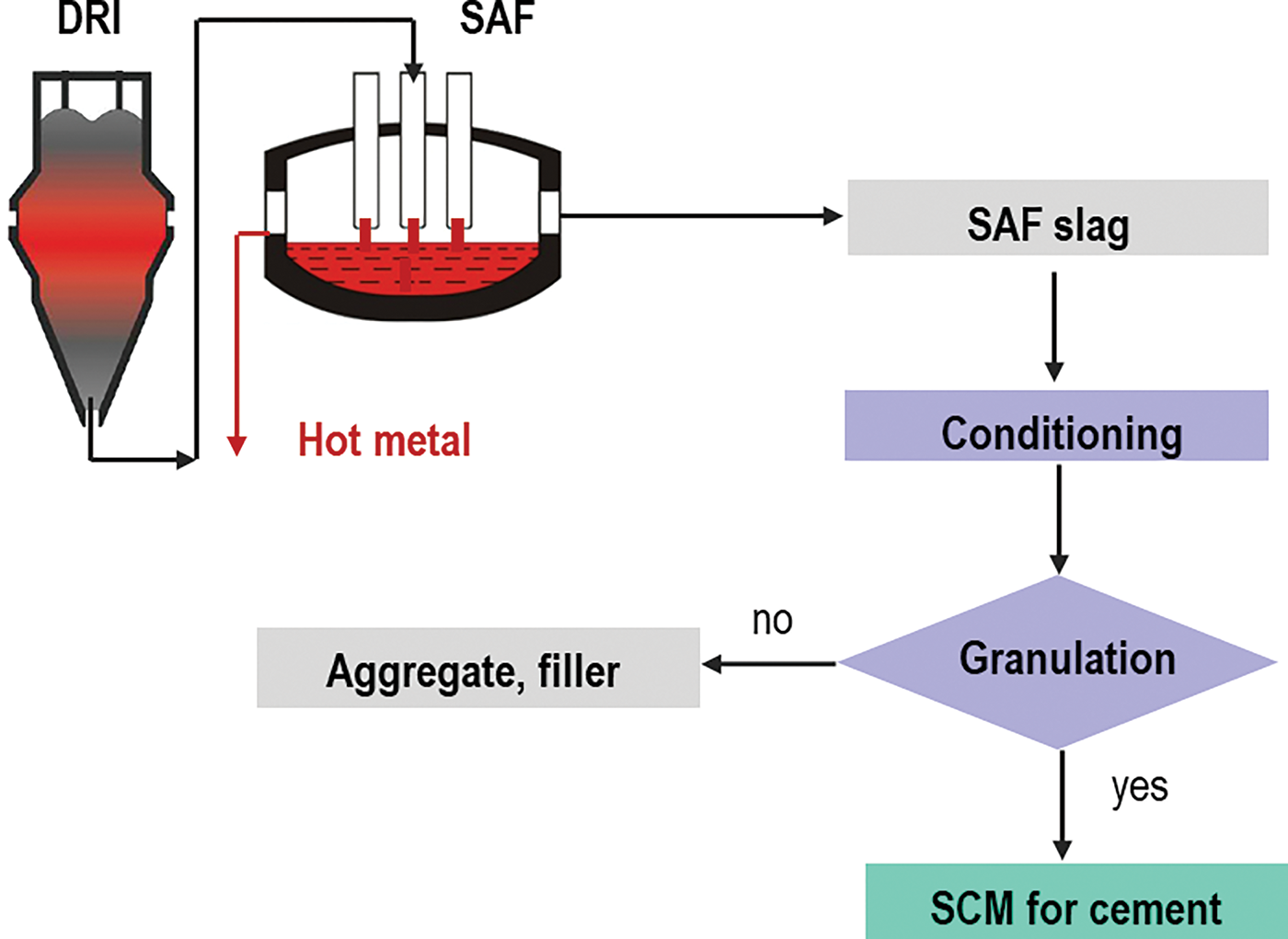
Figure 10 Future treatment of SAF-slags (OneStone Consulting)
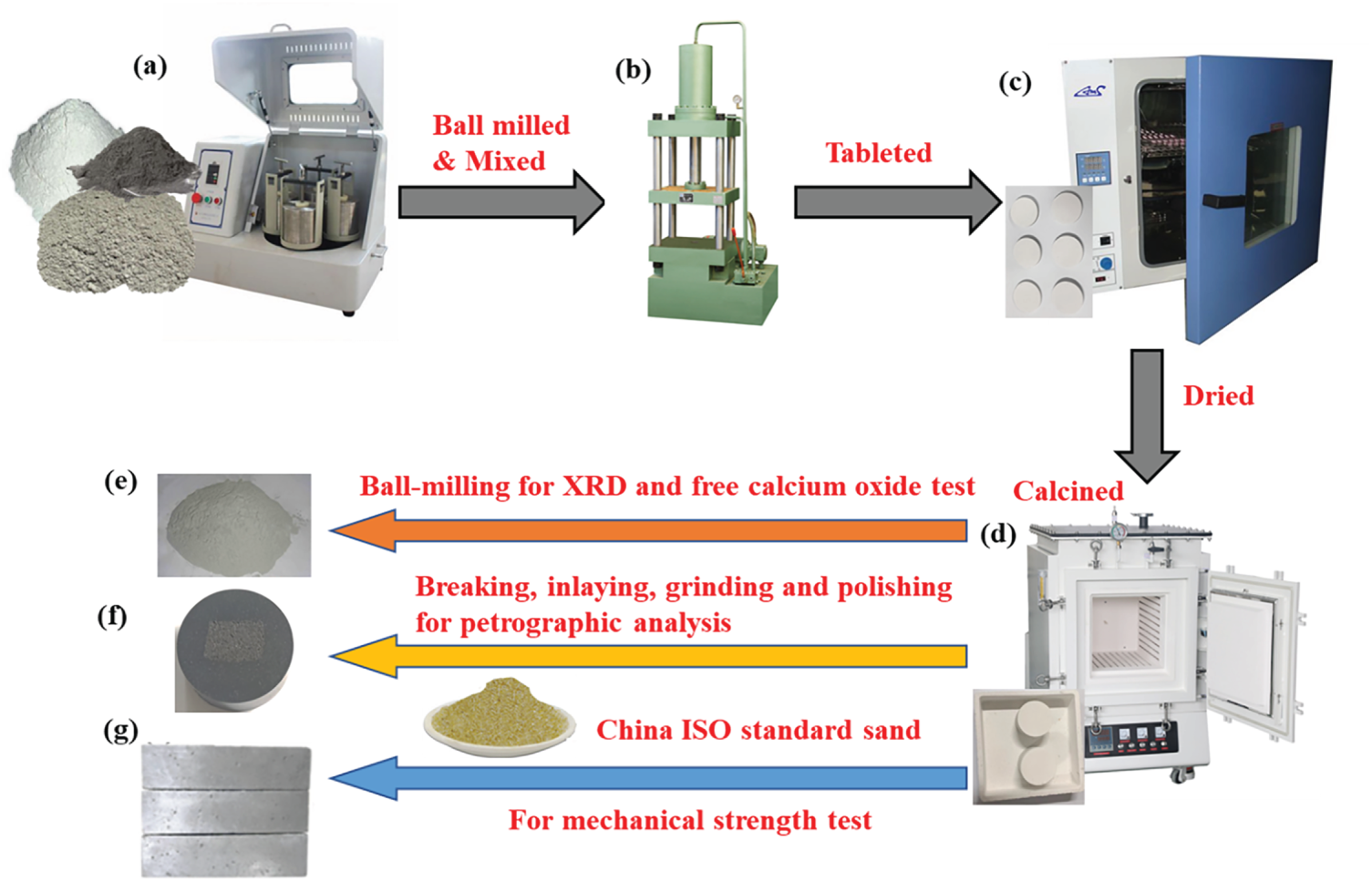
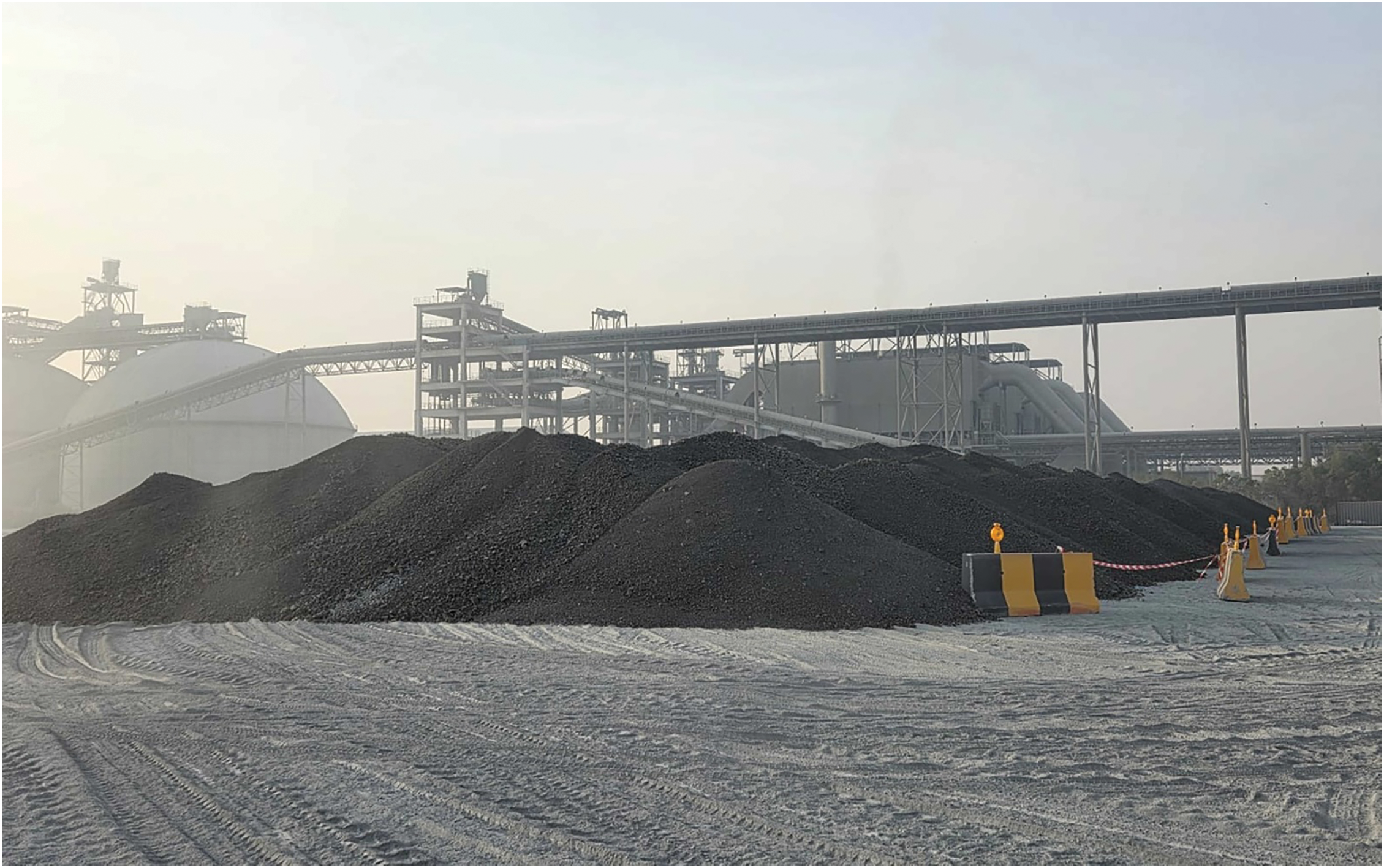
The technologies by Cemvision from Sweden and Carbon Upcycling from Canada will probably bring earlier results. The beneficiation process by Cemvision includes a controlled re-heating of the molten slag, conditioning, combined with granulation and rapid cooling to promote the formation of a fine-grained glassy matrix, similar to that of ground GBFS [17]. Carbon Upcycling has developed a mineralisation process for steel slags by using the CO2 from the flue gases of the cement plant (Figure 11). The company’s CUT processing system targets 10% carbon uptake by weight of processed [18]. A first plant will be installed at the Ash Grove Mississauga plant to produce about 30.000 t per year of SCMs from steel slag in a first step. Construction of the plant has started and tests will be made to find out optimal processing parameters such as ash particle sizes and processing box pressure as development in other studies [19].
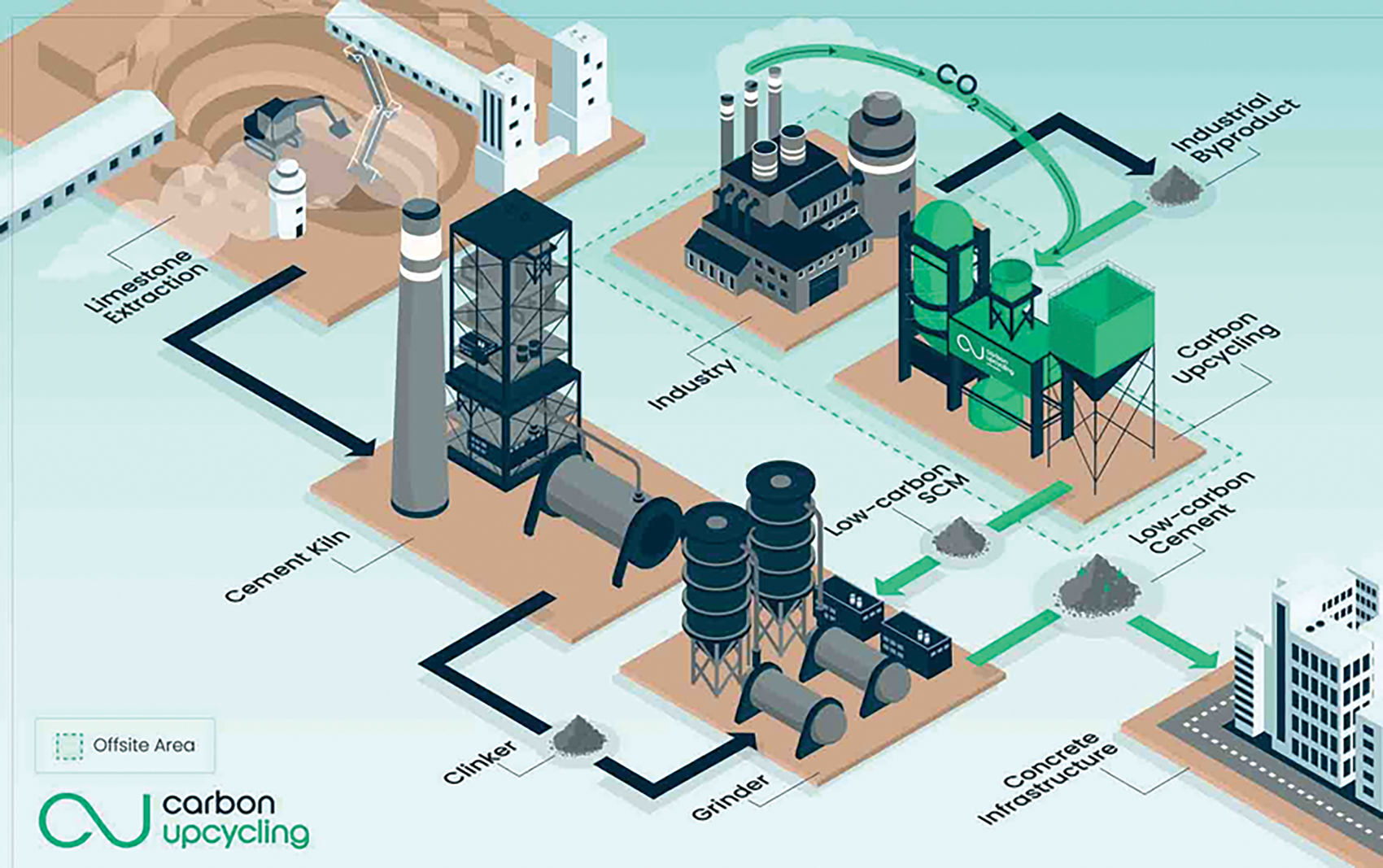
Figure 11 Mineralisation process for steel slags (Carbon Upcycling)
4 Available results with participation of cement producers
The SlagCEM project is investigating the valorisation of BOF slags as mineral products with sufficient cementitious properties by reductive carbothermal treatment [19]. Figure 12 shows test results on the compressive strength of different OPC/BOF slag mixtures [20]. Project coordination is by the German BAM (Bundesanstalt für Materialforschung und-prüfung, Berlin). Participants from the cement industry are CEMEX Deutschland and Spenner Cement. The DRI-EOS project is investigating the valorisation of EAF slags and how they can replace GBFS slags. Favourable results on the compressive strength development with several model slags are illustrated in Figure 13. The project coordination is also by the German BAM (Bundesanstalt für Materialforschung und -prüfung, Berlin). Participant from the cement industry is HOLCIM [21]. HOLCIM is also participating in a project by the KU Leuven on modification of EAF slags by in high-temperature experiments to increase the glass forming ability of the slags.
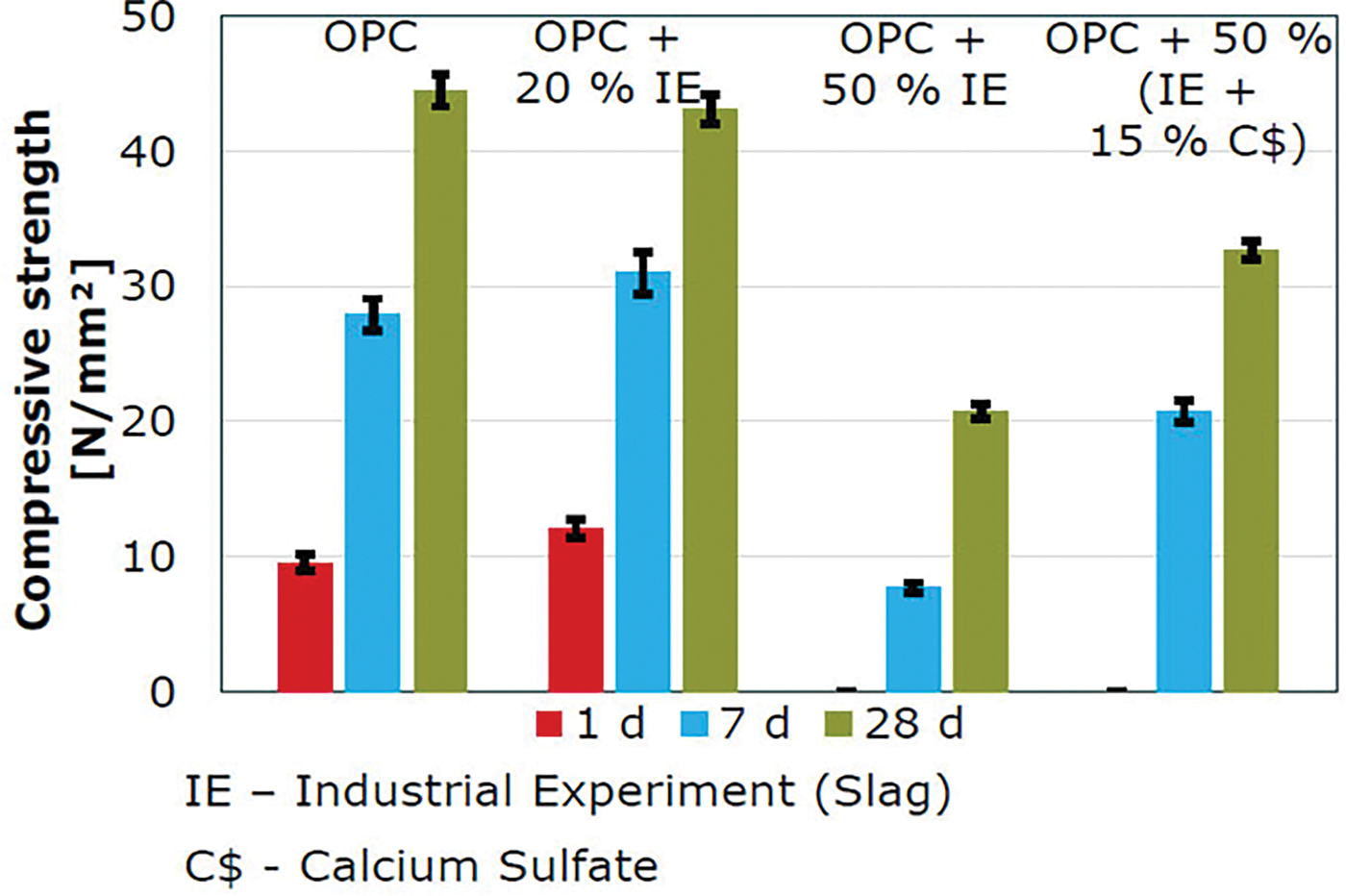
Figure 12 Test results on the compressive strength of BOF-slags (BAM)
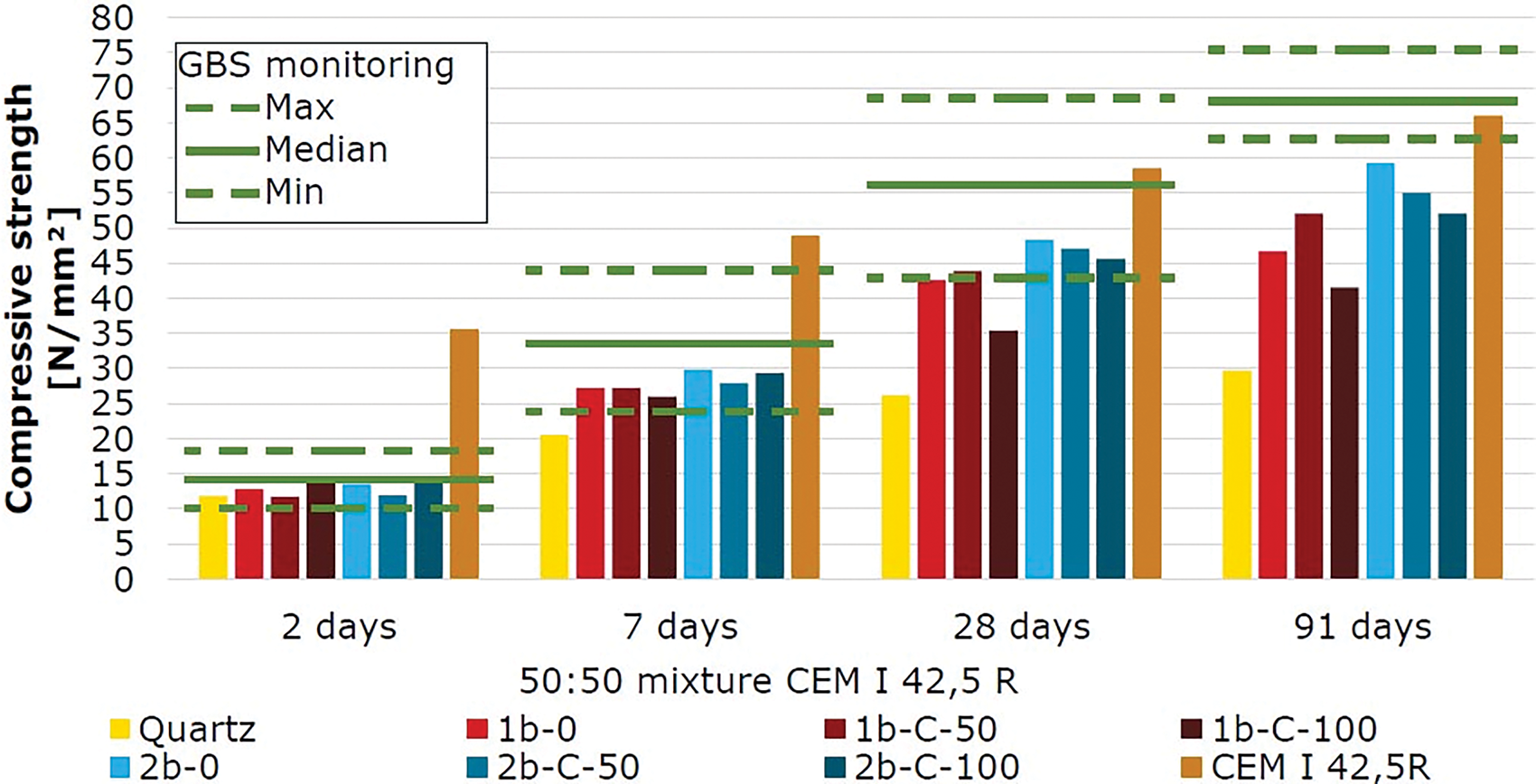
Figure 13 Compressive strength development of model EAF slags (BAM)
Results by Cemvision on their steel slag beneficiation process are illustrated in Figure 14. Cemvision has performed pilot-scale testing, in which valorised BOF slags achieved glass contents of around 97–99%. Comparable trials using BOF slag yielded an SAI of 105%, EAF slags of 112%. The company is now conducting a 10–12 months feasibility study on EAF and BOF slags with Tata Steel. Carbon upcycling has released results from its test on BOF and EAF slag valorisation (Figure 15a–c) [22]. For both slags, significant increases in the slag activity index (SAI) have been achieved. The tests will go into the next round at ASH Grove Mississauga, which is part of CRH and which is known for researching and improving the use of different kinds of new SCMs.
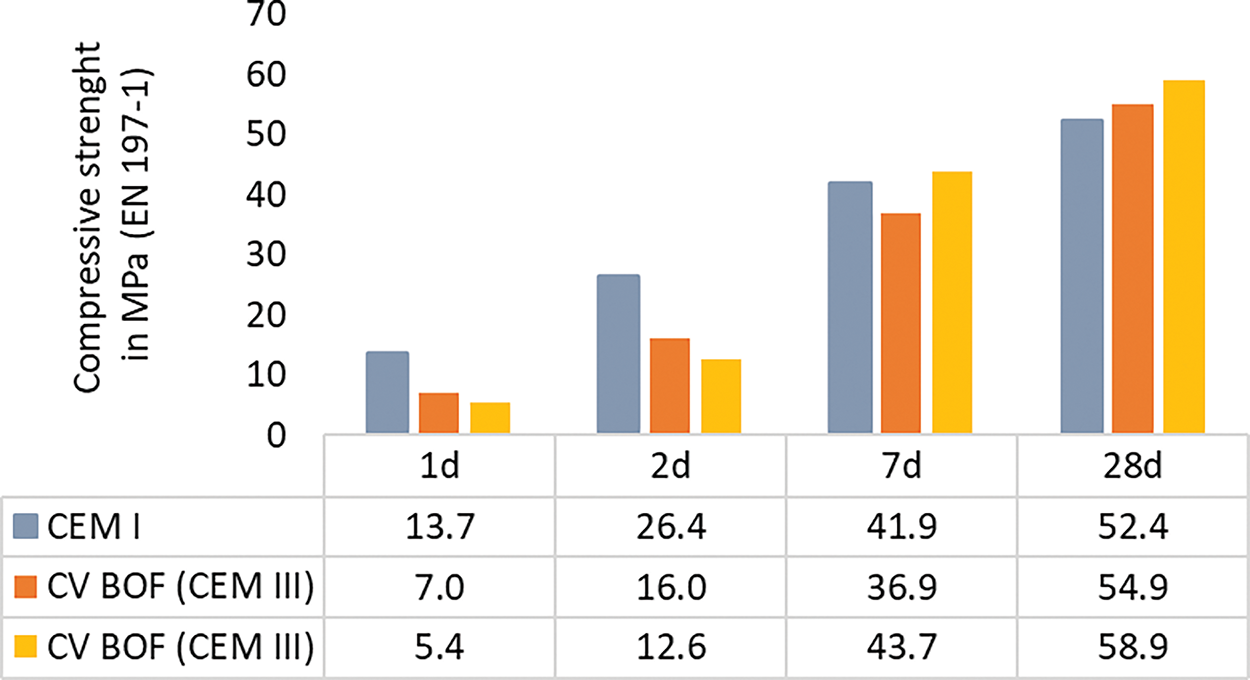
Figure 14 SAI after slag beneficiation process (Cemvision)
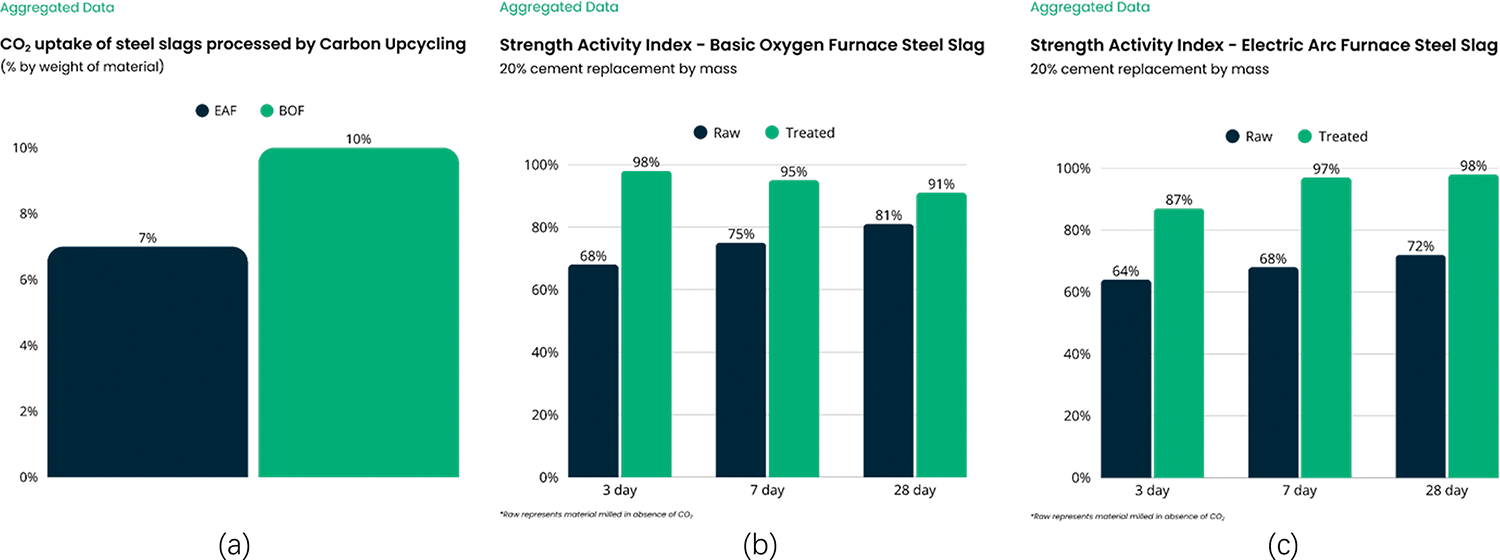
Figure 15 Carbon uptake and strength activity index (Carbon Upcycling)
The largest pressure for the valorisation of steel slags is in Europe, due to the massive carbon reduction targets and the corresponding decline of fly ash and GBFS. In the EU, there is also a large transition from BF and BOF technology to EAF technology, BOF slags will decline from 9.23 Mta in 2021 to 3.02 Mta by 2035, whereas EAF slags be realtively constant from 8.26 Mta in 2021 to 8.02 Mta by 2035 due to a decline in Steel Europe (EU 27+1). In other world areas, especially in Asia, the pressures are not equivalent, fly ashes from cf-power and GBFS for BF will increase at least up to 2035. However, Asian countries have leading producers, who will invest in new technology and advanced slag technology. Accordingly, the industrial valorisation of steel slags will start in Europe, where we think that BOF and EAF slags transformed to SCMs will not cover more than 7–10% of the market by 2035, resulting in 0.21 Mta of BOF and 0.80 Mta of EAF slags (EU 27+1), however lots of new measures are required.