

India’s Ambuja Cements partners in decarbonisation with Leilac
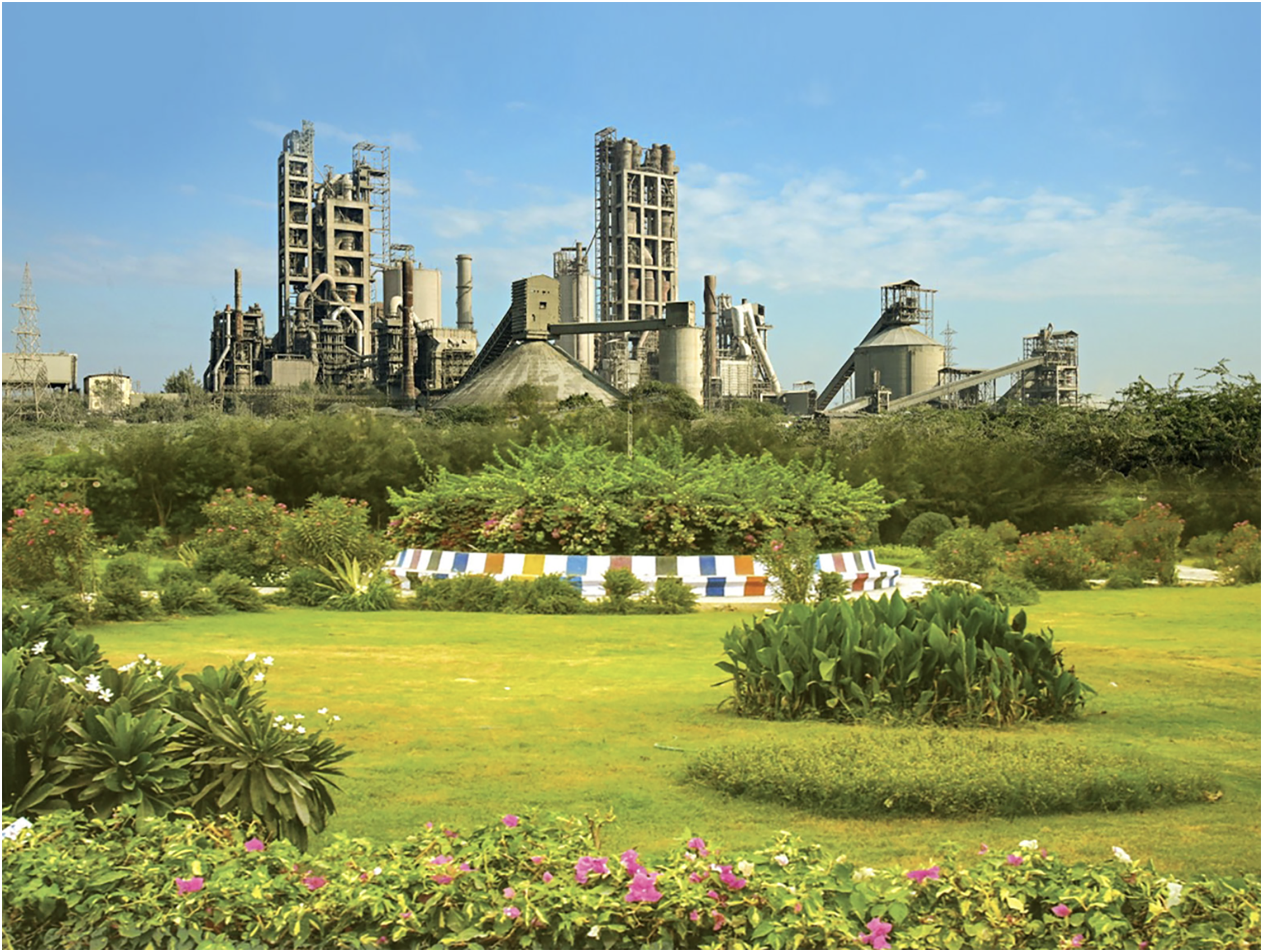
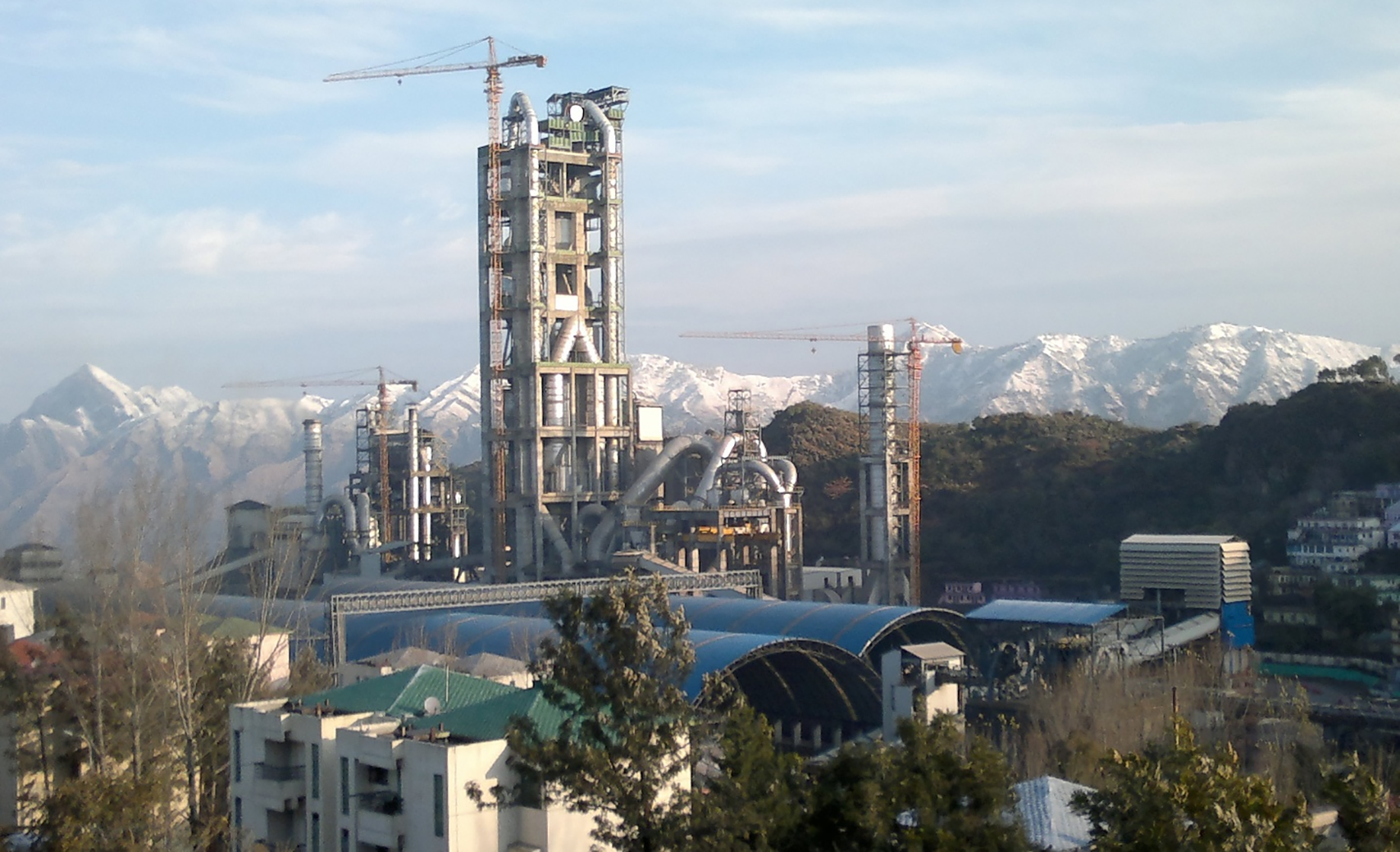
Photo: Sanghi Cement Plant (Credit: Ambuja Cements)
Ambuja Cements, which is the cement part of the Adani Group, has partnered with UK-based clean technology company Leilac Limited to develop a commercial-scale low-carbon cement pathway. The companies announced they will jointly undertake a commercial demonstration project at Ambuja’s 6.6 million tonnes per annum (Mta) Sanghi cement plant (photo) in Kutch, Gujarat, to evaluate Leilac’s carbon capture and hybrid electric heating technology. If the demonstration plant is successful, the project could be expanded seven- or eight-fold, enabling the capture of more than 1 Mta of carbon dioxide and to be the world’s largest industrial-scale project of its kind. Currently, Ambuja Cements has a cement production capacity of 109 Mta across 24 integrated cement plants and 22 grinding units in India. Besides carbon-capture, the company is largely investing in renewable energy, waste heat recovery (WHR)-systems and other initiatives as part of its commitment to achieve net-zero emissions by 2050.
Karan Adani, Director, Ambuja Cements, said: “The cement industry’s transition to a lower-carbon future will require bold thinking, technological innovation and collaboration across the value chain. Our partnership with Leilac reflects our commitment to evaluating next-generation technologies that can reduce process emissions while improving energy efficiency and supporting long-term sustainable growth. This initiative aligns with our vision of building world-class manufacturing operations for the future.”
Daniel Rennie, CEO, Leilac Limited, said: “Ambuja Cements operates one of the world’s largest and most advanced cement manufacturing networks. We’re delighted to begin this collabora-tion to deliver a commercial-scale project for low-cost, low-carbon cement production. Together, we aim to demonstrate an economic, replicable and future-proof solution for the global cement industry.”
 |
Copyright © 2026 The Authors. Published by Tech Science Press. This work is licensed under a Creative Commons Attribution 4.0 International License, which permits unrestricted use, distribution, and reproduction in any medium, provided the original work is properly cited. |