
VICAT GROUP

Vicat accelerates the decarbonization of the cement industry in France
images

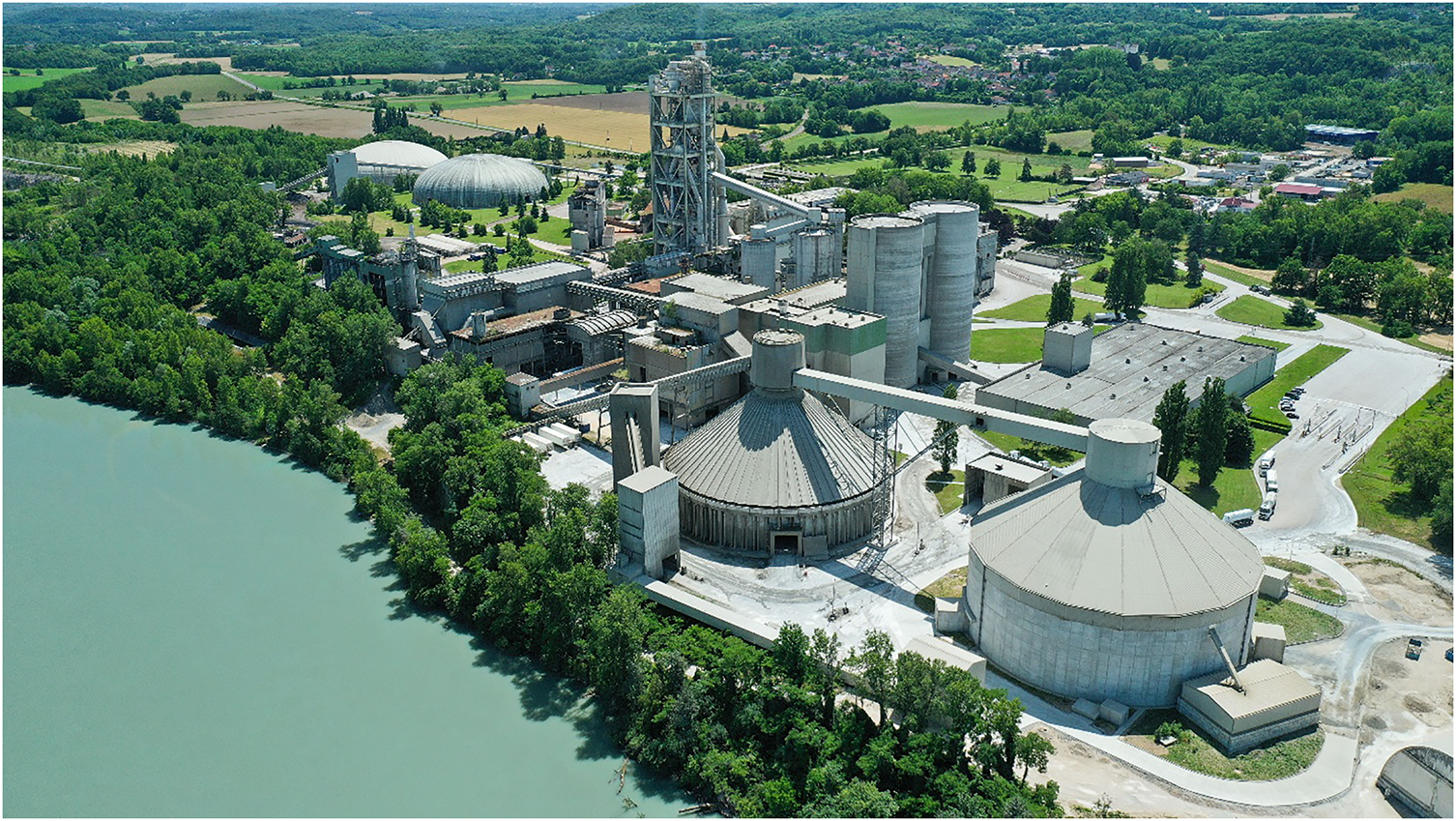
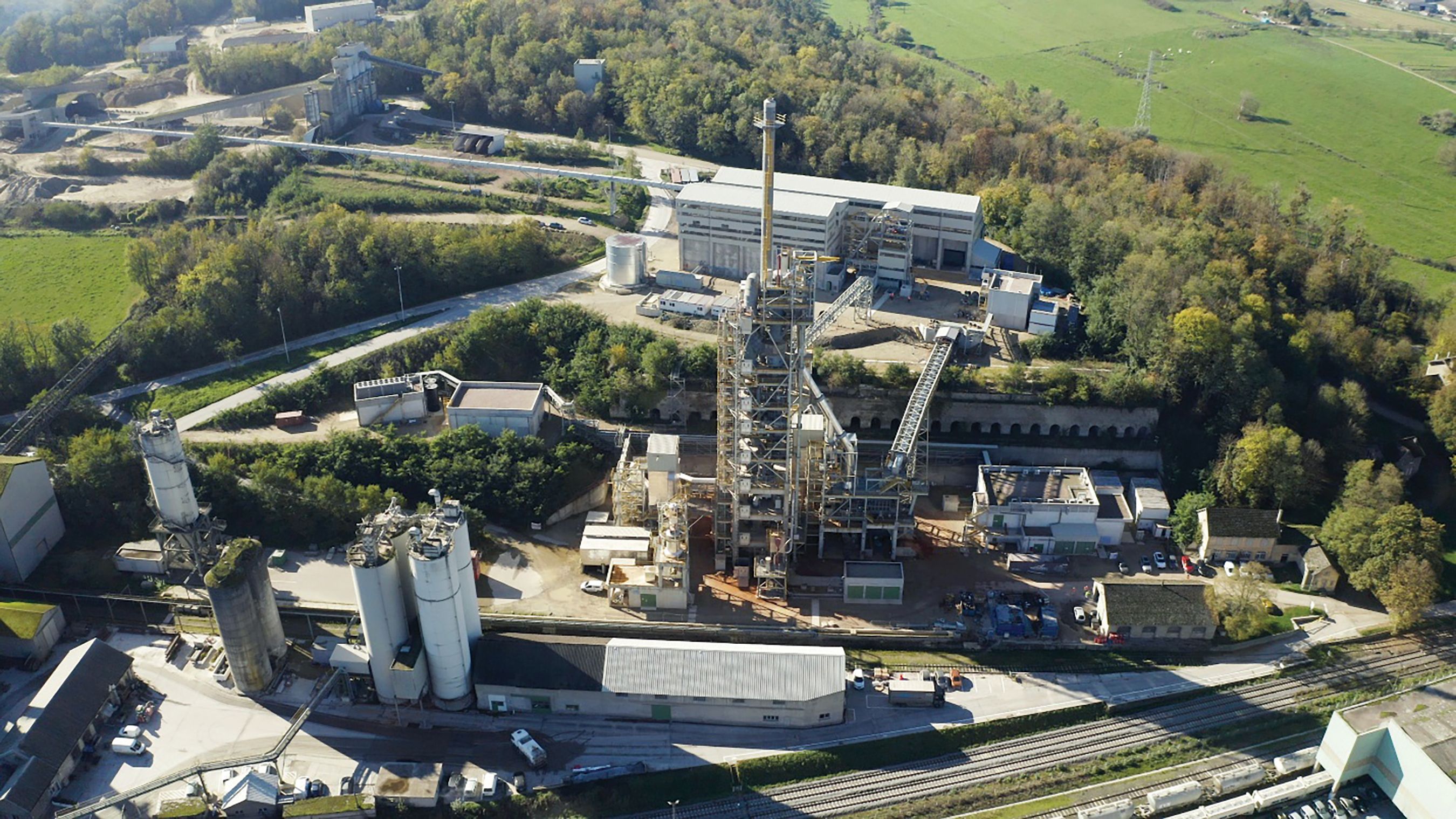
Photo: Xeuilley cement plant (Credit Vicat France)

The Vicat Group accelerates industrial decarbonisation in France with two alternative energy projects at two of its cement plants, supported by the French Ecological Transition Agency (ADEME) and industrial partners. At the Xeuilley plant, where already 100% of alternative fuels are used at the main burner, an electrified hot-gas generator will be installed in partnership with the Lille-based startup NOC for an investment of about €7.3 million and 15 MW capacity to safe 12,000 tpa of CO2. At its Montalieu-Vercieu site, Vicat will deploy a high-temperature electrolyzer with a capacity of 1 MWe to generate 0.6 tpd hydrogen. This project (ADEME IDH2), in partnership with GENVIA and EDF, will combine the hydrogen with CO2 captured at the plant by the VAIA project to produce e-fuels (synthetic fuels).

The two projects will strengthen Vicat’s energy sovereignty and low-carbon strategy at Xeuilley and Montalieu-Vercieu. The heat requirements for the clinker and cement production are met at three different temperature levels: at 200°C for drying of raw materials and 1000°C for the thermal activation of clays, and at higher temperatures >1500°C for the clinkerization. While for the lower temperatures, electrical solutions are already available (heating elements, partnership with NOC), for higher temperatures, technologies such as plasma torches or hydrogen flames are under development. VICAT is developing a circular economy model that benefits everyone and innovates daily to reduce the environmental impact of cement production.

https://www.vicat.fr/actualites/vicat-accelerela-decarbonation-industrielle-en-france

images Copyright © 2026 The Authors. Published by Tech Science Press.
This work is licensed under a Creative Commons Attribution 4.0 International License, which permits unrestricted use, distribution, and reproduction in any medium, provided the original work is properly cited.

Related articles:

Issue 06/2026 OneStone Consulting Ltd

Latest trends for CCUS in the cement industry

First CCS system at the Brevik cement plant Summary Carbon capture, utilisation and storage (CCUS) is seen as an essential breakthrough technology for achieving a net-zero (or carbon neutral) cement and concrete production by 2050. But this is controversial because of the high costs of such system...

more
Issue 05/2026 FIVES FCB

Fives and NOC Energy collaborate on electrified clay calcination for low-carbon cement production

Fives and NOC Energy have announced a technology partnership aimed at advancing the electrification and decarbonization of high-temperature thermal processes in the cement industry. The cooperation focuses on integrating NOC Energy’s high-temperature thermal battery technology, ...

more
Issue 04/2026 Shanghai Geopoly New Materials Co., Ltd.

Perspective on geopolymers and related chemico-activated aluminosilicate cementitious: their chemistry fundamentals and industrial practice

The decarbonation efforts of the cement industry in the past decades have led to a huge number of innovations of alternative binders with mixed, and for many times, confusing names. This communication provides an overview on the differences of reaction mechanisms of recently fast-developing and wide...

more
Issue 03/2026 VICAT GROUP

Vicat CCS project in France received a 2nd grant

Photo: Montalieu-Vercieu cement plant (Credit: Vicat Group) The VAIA (Vicat Advanced Industrial Alliance) CCS carbon capture and storage project by Vicat aims to capture and store 1.2 Mta of CO2 at the Montalieu-Vercieu (photo) cement plant, representing nearly 100% of the plant’s emissions....

more
Issue 02/2026 Tianjin Cement Industry Design & Research Institute Co., Ltd.

Technology development and industrial application of large-scale TRM vertical roller mill

1  Background With the continuous technological advancements in the cement industry, the production scale of new dry cement clinker has been expanding, driving a trend toward larger equipment. Economically, large-scale grinding equipment offers prominent advantages for intensive...

more
Issue 02/2026 VDZ

VDZ responds to future skills requirements in the cement industry

The cement industry is undergoing multiple transformations: decarbonisation, digitalisation, and demographic change. Preparing the workforce for this evolving environment is therefore becoming a strategic success factor for cement companies. While core competencies in process technology and environment...

more
Issue 08/2025 SINOMA INTERNATIONAL ENGINEERING CO., LTD.

Decarbonization technologies and application in China’s cement industry

As the world’s third largest source of industrial carbon emission, the cement industry faces an arduous task of carbon emission reduction. This paper systematically reviews the cutting-edge progress of decarbonization technologies in China’s cement industry.

more
Issue 08/2025 ONESTONE CONSULTING LTD.

Cement Market Special: Pakistan

Pakistan’s cement industry recovered in FY 2025 from the downturn in the last three years. However, the industry is fragmented and divided into North and South. This market review will provide the latest production data, the main players in the market and their production shares.

more
×