
FORTERA

Fortera’s groundbreaking low-carbon cement attracts the market
images

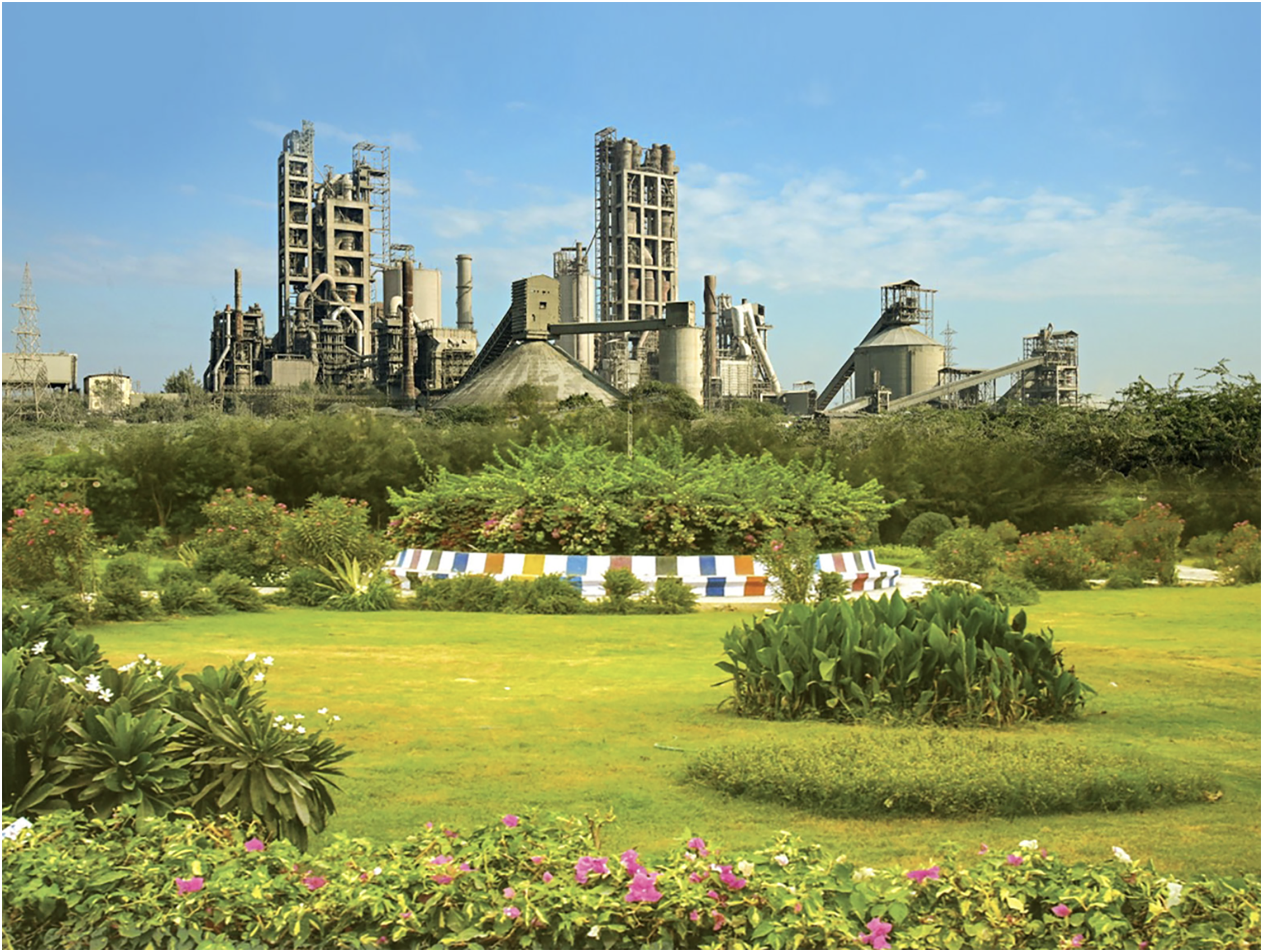
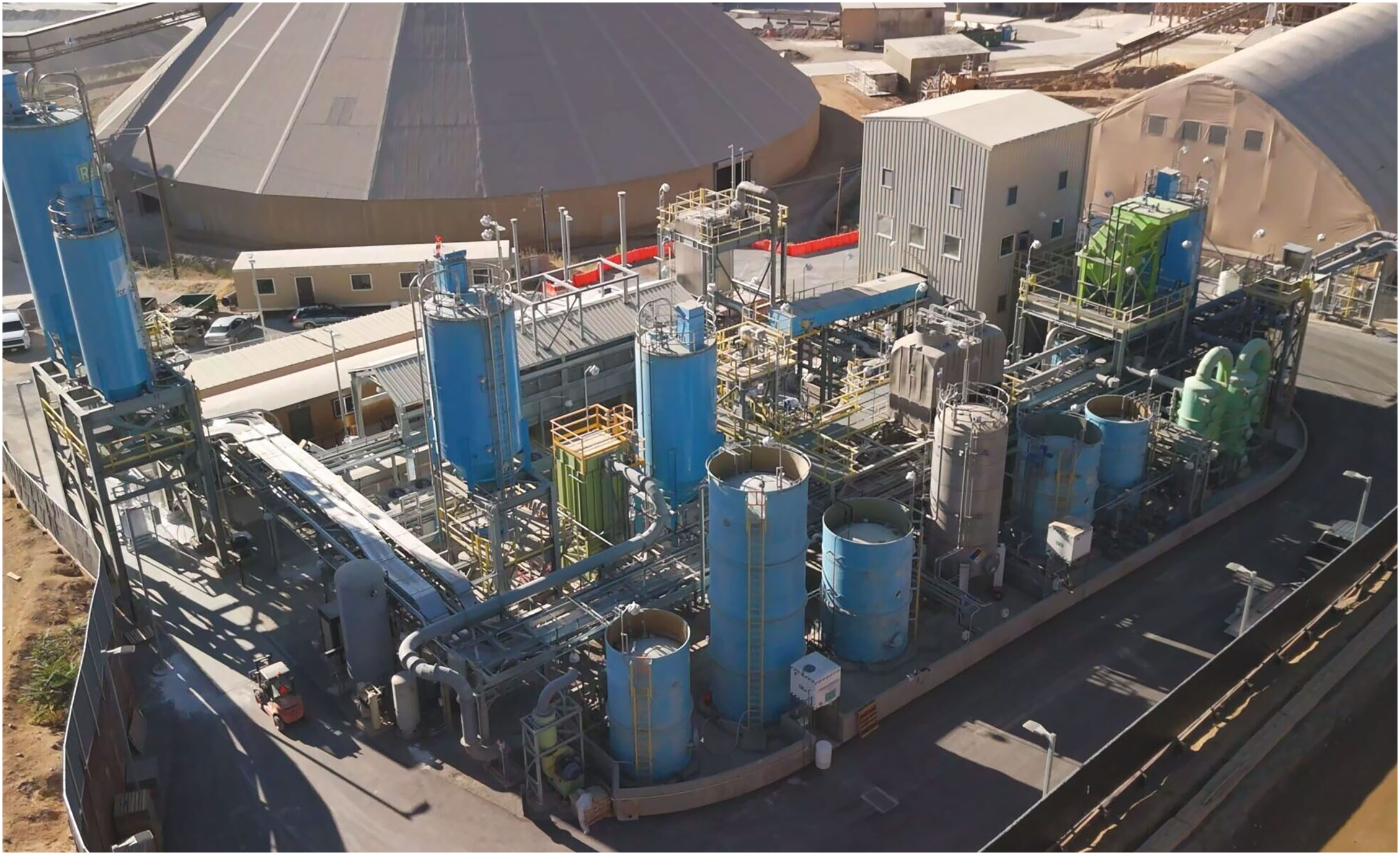
Photo: Redding manufacturing plant in California (Credit: Fortera)

Compared to the traditional clinker–cement process, the ReCarb® cement process by Fortera in their Redding plant (photo) in California, USA, is simpler, uses less raw materials and a kiln temperature of only 950°C. The high-performance, low-carbon ReAct® bright white colour cement from the plant meets the ASTM C1157 standard. The product can also be blended with other cement types. During manufacturing, CO2 from the stack is returned to the process, absorbed, and mineralized. Compared to the carbon intensity of US OPC cements, the ReAct® cement reduced CO2 emissions by 76%. At the moment, only one manufacturing plant with 15,000 tpa capacity exists; however, the market demand is growing and is much higher. The company is now planning to install a 300,000 tpd manufacturing plant, which is a massive leap from the capacity of the Redding plant.

Microsoft’s Climate Investment Fund made a substantial investment in Fortera. This engagement is more than just capital; Microsoft has also secured procurement rights for ReAct™ cement, providing a foundational demand signal that de-risks Fortera’s expansion. For a corporate giant like Microsoft, which is aggressively pursuing carbon-negative goals, securing a supply of low-carbon cement is crucial for mitigating the embodied carbon in its massive global data center construction projects. This “invest to procure” model is a powerful catalyst, demonstrating market viability to other potential customers and financiers.

Ryan Gilliam, CEO of Fortera, said: “Fortera is at a stage where the work we've done to prove the technology now has to be matched by our ability to finance and execute at scale.” Our new leadership structure is the engine designed to power that execution.”

https://briefglance.com/articles/forteras-high-stakes-pivot-new-leadership-to-cement-a-greener-future

images Copyright © 2026 The Author. Published by Tech Science Press.
This work is licensed under a Creative Commons Attribution 4.0 International License, which permits unrestricted use, distribution, and reproduction in any medium, provided the original work is properly cited.

Related articles:

Issue 06/2026 REVIEW

Unraveling the hydration mechanisms of limestone calcined clay cement: a state-of-the-art review

Limestone Calcined Clay Cement (LC3) is widely recognized as a low-carbon alternative to Ordinary Portland Cement (OPC); however, its hydration mechanisms have been addressed in a fragmented and scattered manner in the literature. This review aims to bridge this gap by demonstrating, through...

more
Issue 06/2026 ARTICLE

Optimizing co-calcined red mud and kaolin clay as supplementary cementitious material for innovative low-carbon composite cement

Red mud (RM) is a solid waste, considered a hazardous waste due to its high pH and heavy metals concentration. Therefore, this study investigates the potential use of co-calcined red mud and kaolin clay as a pozzolanic material and further comparison with fly ash, RM and calcined RM. The resulting...

more
Issue 06/2026 AMBUJA CEMENTS

India’s Ambuja Cements partners in decarbonisation with Leilac

Photo: Sanghi Cement Plant (Credit: Ambuja Cements) Ambuja Cements, which is the cement part of the Adani Group, has partnered with UK-based clean technology company Leilac Limited to develop a commercial-scale low-carbon cement pathway. The companies announced they will jointly undertake a...

more
Issue 06/2026

Sustainable Cement Production with More Industrial Wastes

Dear Readers, Welcome to 6th issue of 2026, which gathers global industry updates, original research papers and comprehensive review centred on low-carbon innovation and sustainable advancement within the cement sector. The Spotlight section delivers global industry news covering conferences, plan...

more
Issue 05/2026 Nanjing Tech University

Industrial demonstration of low-carbon supplementary cementitious materials prepared via CO2-mineralization of steel slag

1  Background Addressing global climate change and achieving China’s “Dual Carbon” goals represent pivotal historical imperatives for the current building materials industry. As major carbon emitters, the green and low-carbon transition of the cement and concrete...

2-mineralization of steel slag">more
Issue 05/2026 FIVES FCB

Fives and NOC Energy collaborate on electrified clay calcination for low-carbon cement production

Fives and NOC Energy have announced a technology partnership aimed at advancing the electrification and decarbonization of high-temperature thermal processes in the cement industry. The cooperation focuses on integrating NOC Energy’s high-temperature thermal battery technology, ...

more
Issue 05/2026 ECOCEM GLOBAL

Ecocem and TATA Steel will collaborate to valorise steel slag

Photo: Ecocem production facility (Source: Ecocem Global) Ecocem, a pioneer in low-carbon cements with 25 years of experience, and Tata Steel IJmuiden in the Netherlands have signed a Memorandum of Understanding (MoU) to advance the use of Basic Oxygen Furnace (BOF) and Electric Arc Furnace (EAF) ...

more
Issue 05/2026

Towards low-carbon and energy-efficient building materials

Dear Readers, Welcome to the 5th issue of 2026, which brings together a wealth of cutting-edge research, industry dynamics, and innovative practices from around the world, focusing on the core theme of low-carbon transformation and sustainable development of the cement and building materials...

more
×