

Unraveling the hydration mechanisms of limestone calcined clay cement: a state-of-the-art review
1 Introduction and methodology
The growing need to reduce carbon dioxide emissions, coupled with the declining availability of traditional supplementary cementitious materials (SCMs), has driven the cement industry to explore sustainable alternatives. Among these, “Limestone Calcined-Clay Cement” that is commonly referred to as LCCC or simply LC3 has emerged as a promising candidate due to its significantly lower carbon footprint and the abundance and accessibility of its raw materials. LC3 is designed to reduce clinker consumption by approximately 50% through a typical composition of 50% clinker, 30% calcined clay, 15% limestone, and 5% gypsum.
While the use of limestone and calcined clays is not individually new, their synergistic application represents a recent development. Although the specific term was first used in the title of an article by Bishnoi et al. [1] in 2014, the concept of leveraging alumina from metakaolin to react with limestone—maintaining favorable properties at higher substitution levels—was initially proposed by Antoni et al. in 2012 [2].
To map the evolution of this field, this study performed a bibliometric analysis using the Web of Science (WoS) database with the keywords “LIMESTONE CALCINED CLAY CEMENT”. No restrictions were applied regarding year, language, or country of origin. Metadata was processed via the Bibliometrix/Biblioshiny 5.0 package in RStudio [3]. The analysis of the resulting database—which includes 349 documents published till 2025—reveals a robust annual growth rate of 17.3%. Notably, keyword frequency analysis also indicates that ‘hydration’ has emerged as the most dominant research theme, exhibiting a sharp upward trajectory to reach 151 cumulative occurrences by 2025. With an average of 28.72 citations per document and a significant international co-authorship rate of 37.25%, these metrics confirm that LC3 research is not only a rapidly expanding scientific trend but also a highly collaborative global frontier.
In the keyword co-occurrence network analysis (Figure 1), “hydration” occupies the most central position, serving as a critical bridge between distinct thematic clusters. It emerges as the primary explanatory factor for both mineralogical reactivity (green cluster) and mechanical strength and durability (red cluster). Within LC3 research, all engineering outputs—including mechanical performance, durability, and sustainability—are fundamentally governed by these underlying hydration processes.
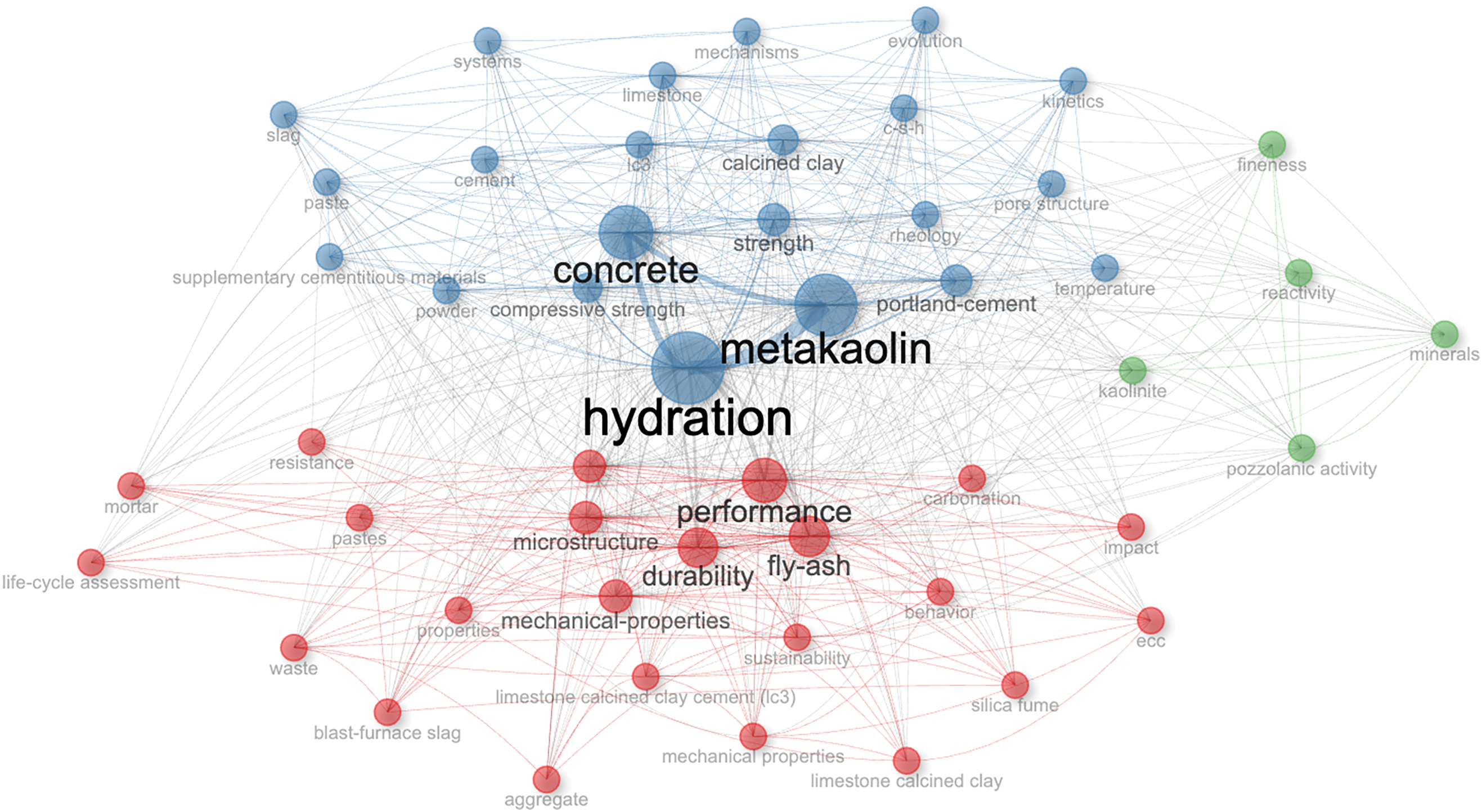
Figure 1 Keyword co-occurrence network derived from the bibliometric analysis on LC3
The thematic map (Figure 2) was constructed based on co-word analysis. Keywords were grouped into clusters (bubbles) according to their co-occurrence frequency, such that terms frequently appearing together in the same documents were assigned to the same theme. Centrality (x-axis) was calculated based on the extent of connections between a given cluster and other clusters (external links), reflecting its relevance within the research field. Density (y-axis) was derived from the internal connections among keywords within the same cluster (internal links), indicating the level of development and cohesion of the theme. The size of each bubble represents the frequency of keyword occurrence. Further methodological details can be found in Ref. [3]. Hydration (together with metakaolin and concrete) is located in the lower-right quadrant, classified as a basic theme. Its large bubble size and high centrality indicate that hydration is a core topic, strongly connected to most other LC3 research themes. However, its relatively low density shows that, while fundamental, this theme is still under development and has not yet reached full maturity. This suggests that hydration forms the backbone of LC3 research but remains an evolving area requiring further exploration.
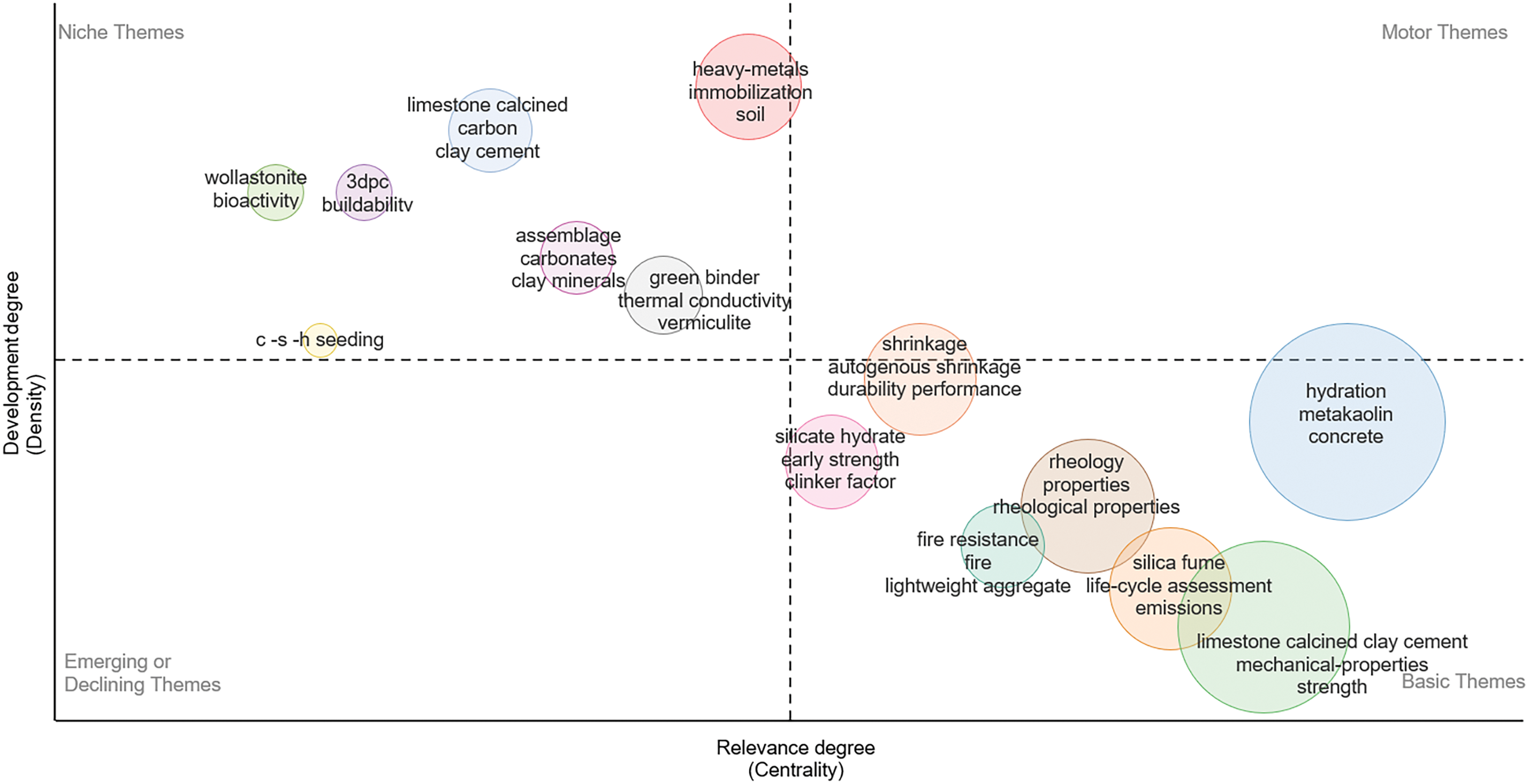
Figure 2 Thematic map of LC3 research topics based on the bibliometric analysis on LC3
Based on the structural centrality of ‘hydration’ as the critical bridge between mineralogical reactivity and engineering performance (Figure 1), and its classification as a foundational yet evolving ‘basic theme’ (Figure 2), the scope of this review was objectively narrowed to the underlying chemical processes of LC3 hydration. The bibliometric evidence suggests that while hydration forms the backbone of the field, the relatively low density in Figure 2 indicates a lack of full maturity, necessitating a more rigorous synthesis of the existing literature.
Consequently, the selection process for this review was governed by direct relevance to these reaction mechanisms. Only studies explicitly presenting or discussing hydration equations and phase evolution were included, while those focusing solely on macroscopic mechanical properties or durability without addressing chemical pathways were excluded. Following the eligibility assessment, 27 studies were identified as core references. These studies were subjected to detailed examination and critical synthesis to consolidate the current state of knowledge. To ensure completeness, a snowballing strategy was employed: references cited within these core articles were traced, and some studies initially excluded due to the absence of explicit reaction equations were also included, as they provided important insights into hydration mechanisms. In addition, older studies not indexed in the database but identified through reference tracking were incorporated, particularly when they contributed to the interpretation of reaction mechanisms. Furthermore, the sources corresponding to each reaction equation have been explicitly cited to ensure traceability and clarity. This approach broadened the scope of the review and enabled a more comprehensive mapping of the literature.
2 Hydration of portland cement
Before looking into background review on LC3 reactions, a brief review of Portland cement hydration is presented to express the difference. The primary compounds that constitute Portland cement are tricalcium silicate (C3S), dicalcium silicate (C2S), tricalcium aluminate (C3A), tetracalcium aluminoferrite (C4AF), and gypsum (CS–H2) that is added to Portland cement clinker to control flash setting. Tricalcium silicate and dicalcium silicate each react with water to form calcium silicate hydrate (C3S2H3) and calcium hydroxide (CH) as shown in Equations (1) and (2). Among the products that are formed, (C3S2H3) or also known as the C–S–H gel is the primary binding component of hydrated Portland cement and calcium hydroxide is the water-soluble by-product that has no cementitious value.
A secondary binding component is formed from the hydration of tricalcium aluminate and gypsum. The C3A and gypsum together with water combine to form ettringite (
3 Limestone calcined clay cement
Today, a typical LC3 formulation consists of 50% PC clinker, 30% calcined clay, 15% limestone, and 5% gypsum by mass [6]. Chemically, the PC clinker is mainly formulated of C3S, C2S, C3A, and C4AF; the calcined clay of AS2; the limestone of
Clay minerals are grouped into two categories based on their layer structure as 1:1 clays (kaolinite) and 2:1 clays (montmorillonite, illite). In 1:1 clays, each layer consists of one tetrahedral sheet and one octahedral sheet, while in 2:1 clays, one octahedral sheet is sandwiched between two tetrahedral sheets [7, 8] (Figure 3).
Figure 3 Layer structures of common clay minerals classified as 1:1 and 2:1 types: (a) kaolinite, (b) montmorillonite, (c) illite [9]
Although 2:1 clays such as illite and montmorillonite are mentioned in the literature, the formulations are presented based on kaolinite, which is a 1:1 clay. Equation (6) represents the dehydroxylation of kaolinite into metakaolin (AS2), assuming complete dehydroxylation and based on the commonly accepted chemical formula of ideal kaolinite [10]. Equation (7) is a rearranged form of Equation (6), while Equation (8) presents its shorthand notation commonly used in cement chemistry. This equation serves as the basis for the 1:1 clay kaolinite in an LC3 system, as (AS2) is used as the clay component in LC3 in the literature.
Pyrophyllite is presented here as a representative 2:1 clay, as shown in Equations (9)–(11) [10]. However, the literature focuses on kaolinite, with little significant research on 2:1 clays such as pyrophyllite.
While these equations illustrate the idealized dehydroxylation process, industrial-grade clays are rarely mineralogically pure. Impurities such as quartz and feldspar generally remain unconverted during calcination; however, due to their refractory character, they act as thermal sinks that consume significant energy to reach the target temperature without contributing to reactivity. Conversely, phases like gibbsite or calcite, which decompose at typical calcination temperatures, actively influence the resulting mineralogy [10]. Consequently, the dehydroxylation mechanisms of these complex, impure clay systems—particularly the transformation kinetics of 2:1 minerals like pyrophyllite—remain significantly under-explored compared to kaolinite. This represents a critical knowledge gap in optimizing the thermal activation phase for the expansion of LC3 technology.
4 State of the art review of LC3 hydration
LC3 offers a distinct hydration profile compared to OPC. In the literature, the hydration of LC3 is explained in a very complicated manner. The elaborate reaction equations are defined piece by piece by different researchers. However, LC3 reactions in the literature can be grouped into five separate categories. These are:
(a) Hydration of (C3S) and (C2S) to produce C–A–S–H
(b) Pozzolanic effect of metakaolin (AS2), that is reaction of AS2 and portlandite (CH) from PC
(c) Reaction of C3A from PC with limestone (
(d) Ternary effect of metakaolin (AS2), limestone (
(e) Reaction of metakaolin (AS2) and portlandite (CH) in the presence of calcium sulphate (
4.1 Hydration of C3S and C2S to produce C–A–S–H
Krishnan and Bishnoi assumed the following reactions to take place in LC3 systems. Since the alumina available in the clinker was not found to be sufficient to account for the quantity of alumina included in C–A–S–H, it was assumed that metakaolin (AS2) is the source of this alumina. Therefore, in their model, metakaolin is required for three reactions [4].
(i) hydration of to C3S produce C–A–S–H, Equation (12),
(ii) hydration of C2S to produce C–A–S–H, Equation (13),
(iii) reaction with portlandite and calcite to produce C–A–S–H, and hemicarboaluminate, (to be explained in the following section)
In these equations, direct reactions of metakaolin with C3S and C2S, to produce the C–A–S–H gel and carboaluminate phases were formulated with defining chemical stoichiometry (calculation of how much of each substance is used and how much product is formed in a chemical reaction based on the number of moles). Despite their usefulness for qualitatively understanding the mechanism, it is difficult to quantitatively estimate the kinetics [11].
4.2 Pozzolanic effect of metakaolin
The pozzolanic reaction in cement chemistry occurs when siliceous or aluminosiliceous materials (pozzolans) react with calcium hydroxide (CH) in the presence of water to form calcium silicate hydrate (C–S–H), which enhances strength and durability. CH is a byproduct of the hydration of alite (C3S) and belite (C2S) in Portland cement. Since CH itself does not contribute to strength and can be leachable, its reaction with pozzolans improves the long-term performance of cementitious systems by reducing permeability and increasing chemical resistance.
The pozzolanic properties of metakaolin (AS2) can most simply be described through its reaction with a saturated portlandite solution, CH, which results in the formation of an aluminium-substituted calcium silicate (C–(A)–S–H) phase, (illustrative composition C1.5A0.1SH4), strätlingite (C2ASH8), and calcium aluminate hydrate phases of the AFm type (C4AH13). Assuming these ideal compositions for the hydrate phases, this reaction is described in Equation (14) [12]:
here, (C4AH13) forms as a metastable aluminate hydrate at later stages of hydration and is favored in systems with higher reactive alumina content, reflecting its role in accommodating excess aluminum in blended cement systems [13].
Zunino and Scrivener, and many other researchers describe the pozzolanic reaction of AS2 with Equations (15) and (16) in a non-stoichometric manner while neglecting (C4AH13). In these equations, AS2 can react with portlandite (CH) produced during cement hydration to form C–A–S–H [2, 14, 15] thus contributing to strength by space filling [14] or C–S–H formation [16].
A similar equation was already stoichiometrically modelled long ago with Equation (17) by Helmuth [17]. Alternatively, to explain the pozzolanic effect of metakaolin, Yu et al. [11] proposed a simplified reaction formula in Equation (18) for stoichiometric estimation using standard cement chemistry notation, while excluding the synergy effect for consideration in later stages. With the increase in aluminum concentration in the solution, the aluminum incorporation into C–A–S–H increases accordingly [18], and the equation should thus be modified. Eventually, strätlingite (C2ASH8) only precipitates after the aluminum incorporation capacity of C–A–S–H is exceeded [16]. Strätlingite is usually stable when CH or carbonate ions are not available in the system [19–21]. In other words, strätlingite is theoretically formed when portlandite is fully consumed [22]. Therefore, strätlingite forms under conditions of high metakaolin reactivity and low portlandite availability [15], and the Ca/Si/Al balance plays a highly sensitive role in this process [2].
4.3 Reaction of C3A from PC with limestone (CC–) and portlandite (CH)
It is worth mentioning that carboaluminates can also form through the reactions between limestone and calcium aluminate phases from PC as shown in Equations (19) and (20) [14, 21, 23, 24]. Hemicarboaluminate and monocarboaluminate precipitate within the pore spaces generated during clinker hydration. These carboaluminate phases are intimately intergrown with the surrounding C–A–S–H matrix, thereby contributing to pore structure refinement and enhancing strength development [14].
Krishnan and Bishnoi [4] state that any remaining aluminate will react with water to form hydrogarnet (C3AH6) as an intermediate product before converting to a carboaluminate phase as shown in Equations (21) and (22). However, hydrogarnet, which would be the favored product in such conditions, was not observed in the experimental results. The conversion of this hydrogarnet to carboaluminate phases was therefore modelled in Equation (23). The transformation of hydrogarnet to carboaluminates would stop when either of CH or CC– is exhausted.
As described in Section 2, the C3A–sulfate reactions govern the formation of AFt and AFm phases. Equations that describe these transformations, Equations (3) and (5), are repeated in this section as Equations (24) and (25) to facilitate understanding. The reaction of (CC–) with monosulphate leads to the formation of monocarboaluminate, and in the presence of CO32– ions, ettringite is stabilized and transforms into carboaluminate phases, as shown in Equation (20) and in Equations (24)–(26) [21, 25]. Tetracalcium aluminoferrite (C4AF) can also react to form carboaluminate phases as well as ettringite but at a lower rate than C3A [26–28].
Since ettringite can incorporate Fe substituting for Al, it is commonly referred to as AFt (aluminate–ferrite–trisulfate). Depending on the anions present in the pore solution, previous studies have shown that AFt partially converts to AFm over time, while AFm coexists with binding phases in LC3 systems [2, 21, 29–32]. These phases together account for approximately 25% of the matrix volume in OPC systems [33].
Although AFm phases are classified into eight main groups [34], the most relevant ones for calcium aluminate reactions are monosulfoaluminate (C4AS–H12), hemicarboaluminate (C4AC–0.5H12), and monocarboaluminate (C4AC–H11) [35–37]. The dominant AFm phase is governed by the balance of sulphate, carbonate, alumina, and calcium in the pore solution [38–40].
4.4 Ternary effect of metakaolin AS2, limestone (CC–), and portlandite (CH)
Alumina content in the oxide composition of metakaolin, which reacts with limestone assumed as pure calcite—at 1:1 molar ratio to form 1 equivalent of monocarboaluminate as shown in Equation (27). This hydrated phase not only contributes to strength by filling the empty pores, but also stabilizes ettringite in the solid matrix by preventing its decomposition to monosulfate [24, 41, 42].
A similar formula is given like in Equation (28) by Zunino and Scrivener and Krishnan et al. [14, 21]. They state that the alumina component of the calcined clay also reacts with (CC–) from limestone and enhances the formation of hemi-carboaluminate phase.
However, Yu et al. proposed Equation (29) to estimate the kinetics of limestone reaction, describing the stoichiometry of limestone in the presence of portlandite and available aluminates during hydration [11]. The difference in this equation is that monocarboaluminate and hemicarboaluminate appear simultaneously as outputs on the right-hand side of the equation.
Krishnan and Bishnoi, in addition to the previously mentioned hydration of C3S and C2S, have also discussed a ternary reaction involving metakaolin, calcite (CC–), and portlandite. As seen in Equation (30), this reaction results in the formation of C–A–S–H and hemicarboaluminate [4]. A similar equation, Equation (31), was also proposed by Antoni et al. [2]. Shah and Bishnoi [43] added that the low amount or absence of CH in the system causes C–S–H to carbonate extensively which increases concrete porosity.
Although strätlingite is not predicted in Equation (31), it was still observed in their experimental results [2]. This inconsistency between modelling and experimental observations has been widely reported by other researchers [2, 44, 45]. Zajac et al. attributed this discrepancy to the limited diffusion rate of calcium ions within a highly dense cement matrix. Even when portlandite is present at the macroscopic scale, local calcium depletion may occur, which could promote the formation of strätlingite [45].
Conversely, Avet and Scrivener [15] and Zhao and Zhang [16] did not observe strätlingite in their experiments, despite it being theoretically expected in systems rich in metakaolin. Avet et al. attributed this to the lack of sufficiently large pores required for the growth of strätlingite and AFm phases [15], whereas Zhao and Zhang suggested that the amount of strätlingite formed may have been too low to be detected by the instrumentation [16].
Overall, although increasing metakaolin content theoretically reduces CH and promotes strätlingite formation, accurately capturing this balance remains a significant challenge in current modelling approaches. Furthermore, in ternary systems, the formation of strätlingite is significantly inhibited in the presence of limestone. The associated carbonate promotes the formation of monocarbonate, which stabilizes ettringite and is widely considered an indicator of the so-called synergistic effect [2, 22, 44]. In addition, According to Zunino and Scrivener, the reduction in porosity is associated with the increase in the volume of precipitated AFm phases (carboaluminates and strätlingite) [44].
Kaolinitic clay might contain anywhere between 30% and 90% metakaolinite. The degree of clinker reaction varies with the calcined kaolinite content. The formation of carboaluminate hydrates increases with increasing calcined kaolinite content; however, when the metakaolin content exceeds 65%, their formation becomes limited due to the lack of pores above a critical size. As a result, a greater portion of the aluminum released by the ongoing metakaolin reaction is incorporated into the C-A-S-H phase [15]. In some of their studies, Zunino et al. reported that phase assemblages obtained by thermodynamic modelling for the LC3 system have been presented graphically for different amounts of reacted metakaolin [12, 44]. These graphical representations can be used to identify the dominant hydration products and to track the evolution of phase assemblages as a function of metakaolin reaction.
4.5 Influence of calcium sulfate (CS–) on LC3 hydration mechanisms
The types of anions in the system have a strong effect on the hydrate phases that form. For example, if there is extra portlandite and stoichiometric amount of calcium sulfate (CS–), monosulfate (C4AS–H12) will be stable. This follows the reaction given in Equation (32) [12].
Zunino et al. [12] modelled the ternary interaction between metakaolin (AS2), limestone (CC–), and portlandite (CH) in the presence of calcium sulphate (CS–), as presented in Equation (33), and emphasized—consistent with previous studies—the formation of monocarbonate (C4AC–H12) instead of monosulphate [46, 47].
It was also shown that the level of sulfate addition has an important effect on the early strengths of the blends. In systems containing high volumes of fine calcined clays, the sulfate content must be adjusted in order to prevent undersulfation [2]. However, the sulfate requirement of LC3 cements is associated with the specific surface area of the clay and limestone [48, 49], as well as their filler effect, rather than with the reactive alumina content of the system [49]. Isothermal calorimetry appears as the most reliable method to assess and correct sulfation issues in complex binder formulations [48].
As an overview, Hemicarboaluminate and monocarboaluminate precipitate in pores left behind by clinker hydration. The clusters of carboaluminate are intermixed with the surrounding C–A–S-H matrix, effectively contributing to porosity refinement and strength development [14]. This balance clarifies why the combination of cement clinker, calcined clays, and gypsum performs more effectively than relying on calcined clays alone.
5 Future perspectives and experimental approaches for LC3 hydration
While LC3 technology has gained significant traction in Europe, India, and South America, its global adoption faces hurdles primarily due to high capital investment costs—frequently reaching $40 million for dedicated production upgrades [50]. However, a more granular understanding of LC3 hydration kinetics and phase evolution could facilitate the adaptation of existing infrastructure to local conditions. This would enable large-scale calcined clay production worldwide without requiring prohibitive capital expenditures.
Specifically, a deeper insight into the hydration mechanisms of alternative clay resources may drive the development of innovative calcination techniques. This is a critical frontier for the industry, as it would expand the raw material base beyond high-purity kaolinite to include more abundant, albeit less reactive, 2:1 minerals such as illite and montmorillonite. Optimizing the thermal activation of these heterogeneous resources is vital for regions where kaolinite is scarce, ensuring that the low-carbon benefits of LC3 technology are accessible on a truly global scale.
The multi-component nature of LC3 systems—involving clinker, calcined clay, limestone, and gypsum—creates intricate synergistic reactions that demand comprehensive characterization techniques. Understanding these mechanisms is crucial for optimizing LC3 performance and advancing sustainable cement technology. While most of the abovementioned reactions have been inferred through thermodynamic modeling, some hydration reactions could instead be directly observed by analytical methods. Diverse experimental techniques can therefore be used to investigate hydration kinetics and reaction products. The following are some examples:
• X-ray diffraction (XRD) analysis [51–53].
• Isothermal calorimetry [51, 54–56].
• Thermogravimetric analysis [51, 57].
• Scanning electron microscopy (SEM) [58, 59].
• Mercury intrusion porosimetry (MIP) [55, 60].
• In-situ synchrotron X-ray powder diffraction [52].
• In-situ XRD analysis [54].
• FT-IR spectroscopy [61, 62].
• Solid-state 29Si and 27Al magic angle spinning (MAS) nuclear magnetic resonance (NMR) analysis [12, 61].
• Inductively coupled plasma optical emission spectrometry (ICP-OES) [15, 63].
Other methods can be added to this list; however, all techniques demonstrate varying strengths and limitations, and none alone will be sufficient for modeling purposes. Advanced modeling approaches integrate kinetic and thermodynamic principles to predict LC3 hydration behavior. Therefore, the integration of multiple techniques offers the most effective and comprehensive solution.
This review provides a comprehensive and structured perspective on LC3 hydration mechanisms, which has been addressed in a fragmented manner in the literature. It demonstrates that LC3 hydration cannot be explained as a simple extension of Portland cement hydration; rather, it is governed by strong interactions among clinker, calcined clay, limestone, and gypsum.
The available literature consistently shows that limestone does not act merely as an inert filler, but rather plays an active chemical role by promoting the formation of carboaluminate phases and stabilizing ettringite. Similarly, the role of gypsum is critical, as it regulates sulfate availability and controls aluminate reactions. Together, these interactions determine the phase assemblage and govern the formation of C–A–S–H and C–S–H, indicating that LC3 performance depends on maintaining a delicate chemical balance rather than on individual components.
Despite these advances, important inconsistencies remain. In particular, strätlingite formation has been observed even under conditions where it is not thermodynamically expected. This indicates that phase evolution in LC3 systems cannot be explained solely by equilibrium-based approaches, and that local chemical environments, as well as microstructural factors—especially pore structure and pore size distribution—must also be considered.
Another major limitation of current research is its predominant focus on high-purity kaolinitic systems. The dehydroxylation and subsequent hydration behavior of calcined clays derived from 2:1 minerals, such as illite, montmorillonite, and pyrophyllite, remains insufficiently understood. This knowledge gap is further widened by the inherent impurities found in industrial-grade resources; while minerals like quartz and feldspar act as refractory thermal sinks that increase energy consumption, others like calcite and gibbsite actively alter the resulting mineralogy. Neglecting these complex interactions limits the global applicability of LC3 technology, particularly in regions that must rely on lower-grade, heterogeneous clay resources.
Overall, although the fundamental mechanisms of LC3 hydration are now largely understood, a framework capable of quantitatively predicting phase evolution across heterogeneous raw materials and varied mix conditions has not yet been fully developed. Therefore, future research should focus on:
(i) investigating hydration mechanisms in systems containing 2:1 clays,
(ii) reconciling discrepancies between thermodynamic modelling and experimental observations that have various impurities, and
(iii) integrating complementary characterization techniques capable of capturing both reaction kinetics and microstructural development.
Acknowledgement
Not applicable.
Funding Statement
The authors received no specific funding for this study.
Author Contributions
Kevser Duru Gölalmış: Methodology, Software, Investigation, Data Curation, Formal Analysis, Writing—Original Draft.I·rada Shirinzade: Conceptualization, Methodology, Formal Analysis, Writing—Review & Editing, Supervision.I·smail Özgür Yaman: Conceptualization, Methodology, Formal Analysis, Writing—Review & Editing, Supervision, Project Administration. All authors reviewed and approved the final version of the manuscript.
Availability of Data and Materials
The authors confirm that the data supporting the findings of this study are available within the article.
Ethics Approval
Not applicable.
Conflicts of Interest
The authors declare no conflicts of interest.